

Why January Is The Perfect Time To Plant Peas In Your Garden
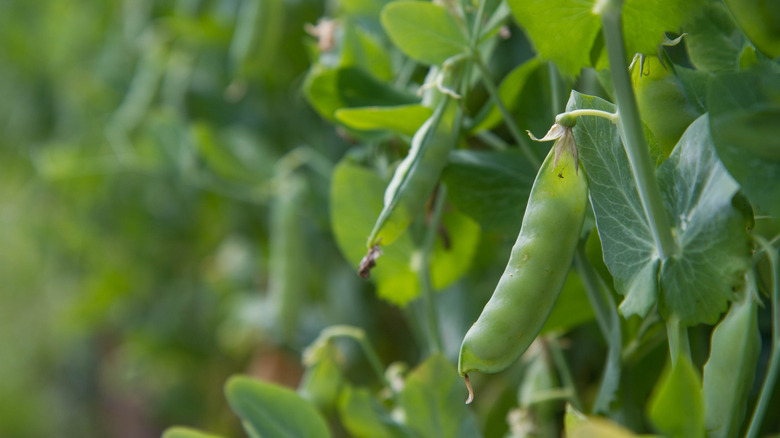
Getting your hands dirty in the garden while it's still winter might feel a bit early, but for the garden pea (Pisum sativum), these chilly weeks are the best time to start. While many gardeners wait for the spring sun to warm up their yard before heading outside, those who plant seeds during the first month of the year usually see the biggest harvests. Starting this early allows the vines to settle in before the late spring heat arrives, which can stunt growth, causing the plants to wilt. These plants also naturally fertilize the soil by capturing nitrogen from the air, and if you clear them out before summer arrives, you'll leave behind nutrient-rich soil that's perfectly prepped for your next round of crops.
If you live in an area where the ground rarely stays frozen for long (if at all), January is an excellent time to plant peas. In these warmer regions, including the South and parts of the West Coast, the soil mostly stays soft and ready for these cold-hardy seeds to take hold. Because these locations stay mild in the winter, your seeds will sprout quickly, giving the crop a jump over the standard spring growing schedule used in colder climates. Knowing how to grow more fruitful pea pods starts with this early timing, which helps make sure you harvest delicious peas before the summer temperatures can lower their quality. If you live in a colder area and the ground is frozen and covered in snow in January, it would be better for you to start these plants from seed inside until it's warm enough to transplant them to your garden.
Schedule your planting to beat the heat and protect the blooms
Gardeners in warmer regions have a unique challenge where the window between the last frost and the first really hot day of the year is very short. By planting in January, you are getting a head start to make sure your garden peas mature while the temperatures are still manageable. This timing is helpful in states like Georgia or South Carolina, where a sudden spike in spring temperatures can lead to blossom drop, where the plant sheds its flowers instead of producing pods.
The secret to success is waiting until the garden soil reaches a temperature between 40 and 52 degrees Fahrenheit, since it's that warmth that tells the seeds it's safe to wake up and grow. Preparing your garden in January starts with clearing away any remaining autumn debris and gently loosening the top 6 inches of dirt to improve drainage. You might want to set up a DIY pea trellis you can make on a budget at this point, so the plants have support as soon as those first tendrils appear.
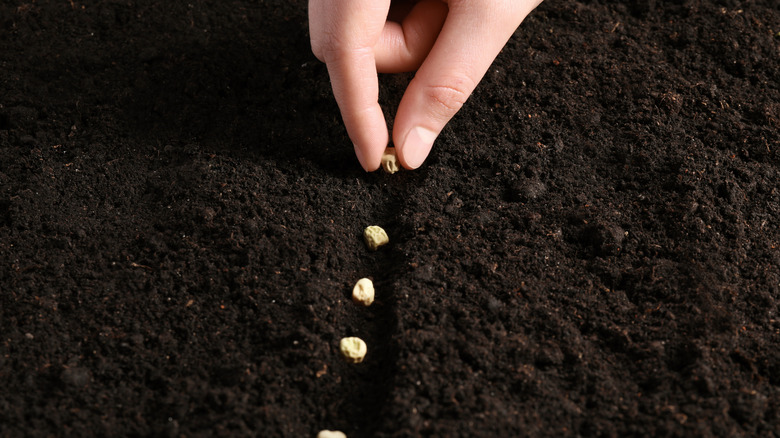
In the event of a sudden hard freeze, you can protect young shoots by covering them with a frost blanket or a thick layer of straw to trap ground heat. Adding a light layer of aged compost provides the right nutrients without overstimulating leafy growth during a potential freeze. To plant your seeds, poke holes about 1 inch deep and space them about 2 inches apart in rows. Covering the seeds with some loose soil and patting it down helps the peas absorb the moisture they need to germinate.
Improve your soil health by using peas as a seasonal nitrogen source
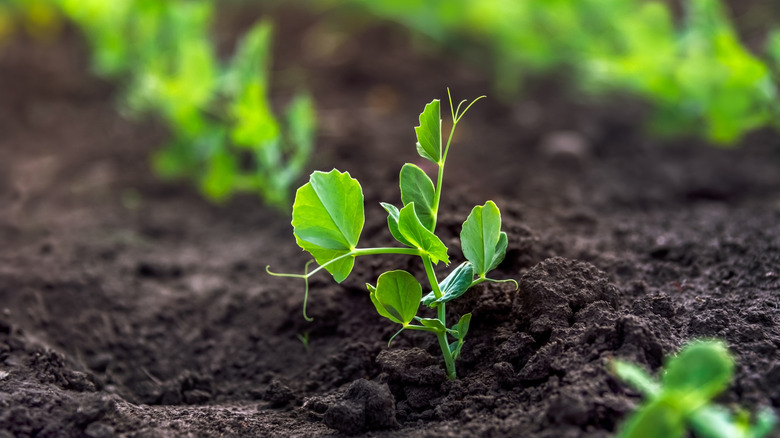
When you plant peas in January, the vines cover the soil, which provides some erosion control during heavy winter rains. Because pea plants have a thin canopy and don't compete well with aggressive weeds, early winter planting is helpful because it allows the crop to get established while many summer weeds are still dormant. It's important to keep an eye out for cool-season weeds like chickweed or henbit. A light layer of mulch or regular hand-pulling while the weeds are small will keep them from choking out your young pea vines.
Growing peas during the winter does more than just provide some tasty cold-season veggies. It actually helps restore the soil in your garden beds. These plants have a special relationship with tiny bacteria that allow them to grab nitrogen from the air and store it right in their roots. Once you know how to tell if your pea plants are ready to harvest and you finish picking out the last of the pods, you can snip the vines at the soil line and let the roots rot away naturally. This leaves behind a patch of ground that is full of natural nutrients, making it an excellent spot to plant heavy feeders like corn or tomatoes once summer arrives. Following this type of natural cycle keeps your garden beds happy and productive while reducing the need for store-bought fertilizers.