

The Plant With Striking Foliage You Should Think Twice About Growing Indoors
Walk into any plant nursery and you'll likely find yourself pulled toward the bright reds and golden yellows of the croton (Codiaeum variegatum) plant. Its leaves look like they were painted to look like a sunset, making it a tempting choice for anyone looking to brighten up their home. While this plant is a showstopper, it often fails to thrive in the average living room.
This tropical native belongs to the spurge family and is very picky about its surroundings and care. People living in USDA Hardiness Zones 11 and 12 can enjoy them as year-round outdoor plants, but bringing them inside often leads to frustration when trying to care for this plant.
Understanding everything you should know before planting a croton or bringing it home is important because its reputation for being a diva is well-earned. The biggest issue is that modern indoor heating and cooling create a climate that is the opposite of the humid jungle environment where a croton naturally lives. Without the right balance of heat, moisture, and light, the bright colors will eventually fade, and the plant will struggle and start to look sickly.
Why croton plants are so difficult to keep alive indoors
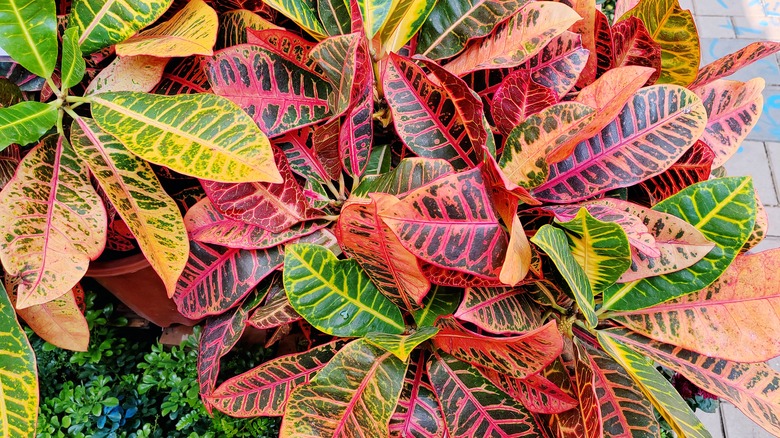
The biggest issue for anyone attempting to keep a croton plant happy is its extreme sensitivity to change. These plants are notorious for dropping their leaves the moment they feel stressed, which often happens immediately after you bring one home from the store. They hate fluctuations in temperature and will not react well if placed near a drafty window or a heater. To keep those famous colors from fading into a dull green, they need about six to eight hours of bright, indirect light every day.
Finding enough light is a challenge when you're trying to keep your croton plants healthy throughout winter since most indoor spaces don't have this level of brightness, especially during the darker winter months. They also need high humidity levels, often between 40% and 80%, to stay healthy. In a standard home with dry air, the edges of the leaves will quickly dry out and turn brown. If the soil dries out too much or becomes waterlogged, the plant might drop every leaf it has, leaving you with nothing but a bare, woody stick.
Even the type of water you use can cause issues, since they struggle with chlorine or other chemicals in water straight from the tap. Continual misting or the use of a humidifier is usually needed to keep them from drying out in a climate-controlled room.
Is the croton plant toxic to pets and humans?
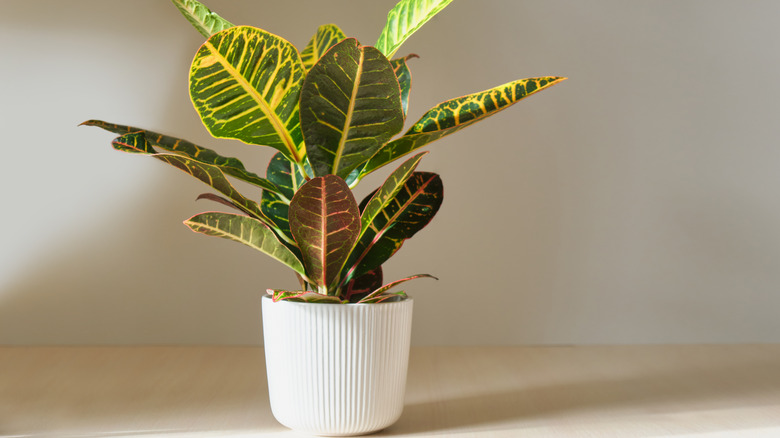
It's important to consider the toxicity level of any plant in your home, and the croton is no different. Every part of this plant contains a milky sap that can be quite problematic. If you accidentally snap a leaf or prune a stem, this liquid can cause contact dermatitis, resulting in an itchy or painful rash for those with sensitive skin.
The risk increases if you have curious pets or small children. While the croton isn't considered one the most dangerous plants you should never grow in a home with pets, if a dog or cat decides to chew on the leaves, they may experience oral irritation, drooling, and an upset stomach. Ingesting larger amounts can lead to more severe gastrointestinal issues like vomiting or diarrhea. Because the sap can also stain furniture and flooring, even routine plant maintenance needs careful attention that other houseplants don't need.
When you weigh the constant struggle for humidity against the potential for skin irritation and pet toxicity, it's clear why many experts suggest enjoying this plant in a garden rather than on a bookshelf. You should always wear gloves when handling or pruning the plant to avoid accidental exposure to the inflammatory sap. Because of these factors, some people find that the overall beauty of this plant isn't worth the maintenance and safety concerns.