

Mysterious Seed Packets Have Residents And Officials Concerned

Residents in Texas, Ohio, and other states may find a strange packet of seeds in their mailboxes, and under no circumstances are they to plant them, officials say. The seed packets' packaging may be postmarked from China, and have no return address or a random company address listed as the sender. They're also far from innocuous, as officials say planting these seeds may hurt the local flora as they can introduce invasive plant species and bring dangerous diseases and pests into the area. The event is a resurgence of similar events in 2020, where residents of 50 states received unsolicited seeds in the mail. The seeds can vary in size, color, and shape, but one thing is clear: residents should report them to their local authorities.
According to the Texas Department of Agriculture, this new wave of mystery seeds resulted in more than 1,100 packets being collected in the state alone beginning in February 2025. The exact reason behind the mysterious seed packets isn't known, but officials believe it could be connected to online sales in a scam known as "brushing." As defined by the United States Postal Inspection Service (USPIS), "brushing" occurs when online sellers send unsolicited packages to random individuals after finding their addresses online. They do so to create the impression that you made an online purchase, writing a "review" under your name in a bid to make their product reviews look legitimate. Not only is your information compromised and your privacy at risk, but their actions also deceive customers who look at their products unknowingly. If you get a seed packet in the mail without warning, here's what to do.
What to do if you find random mystery seeds in your mailbox
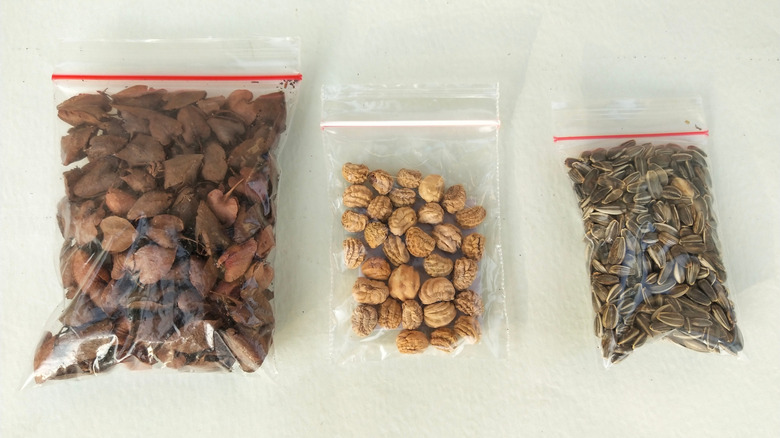
If you happen to find a packet of these mysterious seeds in your mailbox, don't open it. They're usually shipped in clear plastic bags, so it's easy to see the contents. You should then immediately alert your local state Animal and Plant Health Inspection Service (APHIS) health director via the contact information found in the USDA directory. Keep all the contents of the packaging and set them aside to turn over to the authorities while you await further instructions.
In Ohio, agricultural experts at The Ohio State University say you can completely cover the packet with duct tape, placing it inside two Ziploc baggies after squeezing out any excess air. After bagging the seed packet, fold over the bag firmly, tape it up again, then discard. Similar instructions may be available on your state's official agriculture website, or you could ask officials for guidance when you make your report.
After you've reported the seeds' arrival and/or properly disposed of them, postal officials urge you to take the time to safeguard your information, including changing any passwords of banking or financial accounts. You should also carefully review your credit card and online activity, and report any fraudulent reviews or charges you notice to retailers. Whether these new seed packets are a scam or something more insidious is unknown, but notifying officials can let them inform other residents, especially if it becomes a nationwide issue again.