

Polished Vs Unlacquered Brass: What's The Difference? (& How To Pick Between Them)
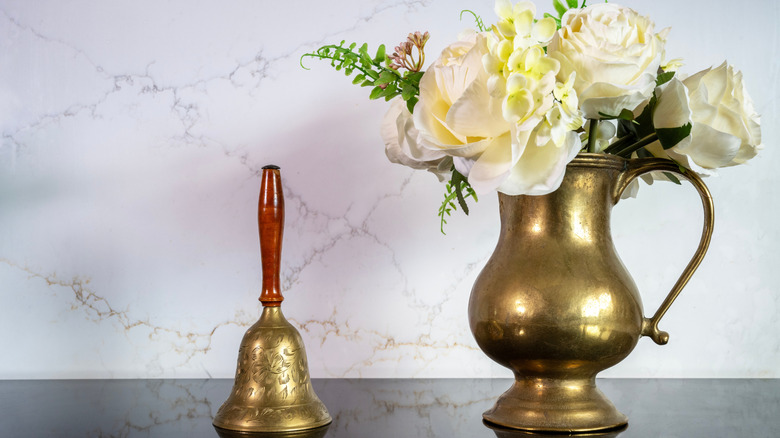
Chrome accents might be the rising antique trend to find in thrift stores for 2026, but brass is still one of the most popular metals in interior design. Believed to have originated in ancient Egypt, its various uses span civilizations and centuries. Brass had a major resurgence in the 1980s, when high-shine metallics dominated decor trends. Today, it's often used for embellishments on tables, chairs, lamps, hardware, and other decorative home items.
Fans of furniture with brass accents may know that there are two types of brass out there: Polished and unlacquered (also called untreated). As the name suggests, polished brass is coated with a thin layer of lacquer to maintain its golden luster and prevent it from oxidizing over time. It's easy to care for, but can be a hassle to restore if it becomes scratched or damaged. Unlacquered brass, on the other hand, has no protective film. The latter develops a patina — a sheen of discoloration that naturally occurs when metals like brass or bronze are exposed to oxygen and moisture — as it ages, which can be a charming, desirable look depending on your tastes.
When choosing between polished or unlacquered brass, there are two main factors to consider: Your capacity for maintenance and your decor preferences. Since it's pre-coated, polished brass stays shinier and holds up better against moisture, humidity, and the natural oils on your skin. That said, unlacquered brass is more forgiving when it comes to masking imperfections. And fans of old-school interiors may favor the warm, well-loved look of brass with some patina, even if it takes more work to keep it shiny.
Tips for choosing (& styling) the perfect brass finish for your home
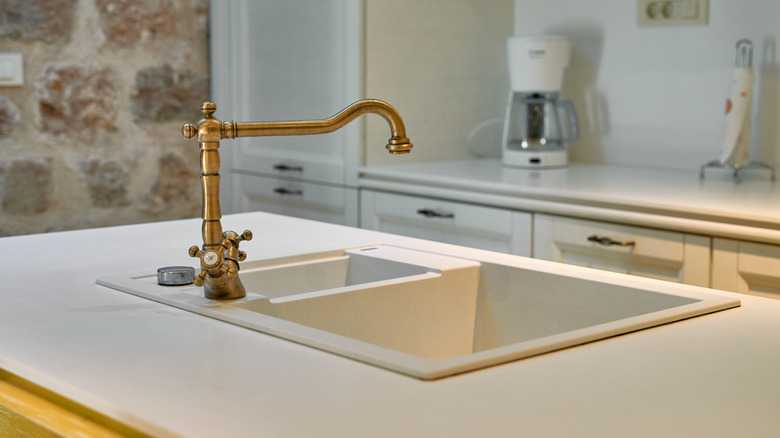
Are you interested in installing brass hardware in a high-traffic area, like your kitchen or bathroom sink, or somewhere that's exposed to the elements, like the front door of your home? Then polished brass might be the way to go, particularly if you're uninterested in regular polishing. This is the most commonly sold form of brass for hardware. However, if you're looking to display a vintage brass lamp or antique furniture with brass embellishments indoors, and your home is already full of lovely aged pieces that you know how to care for, then unlacquered brass may mesh better with your lifestyle and preferred home design aesthetic. (It can't hurt to research the best ways to clean brass hardware and restore its luster as needed.)
Whether you're interested in polished or unlacquered brass, consider how you plan to style it in your space before making any big-ticket purchases. The sleek, consistent shine of polished brass would go well with modern or minimalist interiors. For an eclectic look, mix metals in your home decor by pairing polished brass with high-shine chrome or silver hardware. Meanwhile, the worn, patinated look of unlacquered brass is a great match for vintage, rustic, and even industrial decor styles. Embrace the retro vibes of this finish by marrying it with other furnishings that invoke the '80s — think graphic, tubular sofas or fluted wooden side tables.