

Telltales Signs Your Home Is Still Full Of 2010s Trends
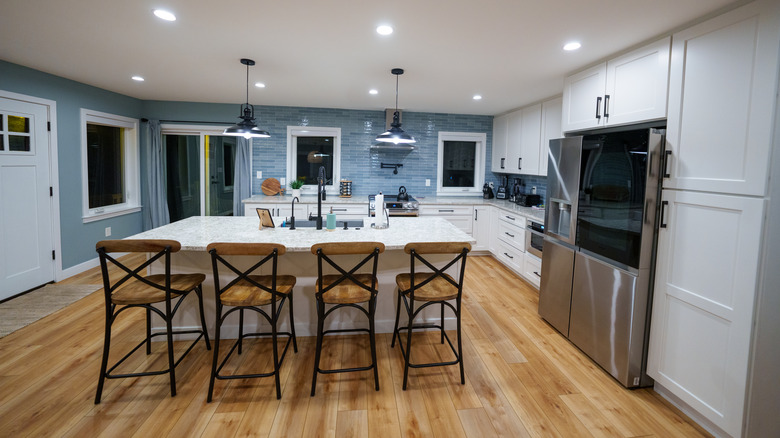
The 2010s were a decade defined by Pinterest and Tumblr inspo and a bevvy of home makeover shows. Mostly, we embraced all the things that Chip and Joanna Gaines threw our way. We leaned heavily into shabby chic designs as inspired by "Fixer Upper", ultra modern decor as seen on rom coms set in New York City, and neutral tones that paired well with millennial grays and pinks. But as we move further into the 2020s, many of those 'it' items have begun to show their age. Like the aforementioned millennial colors, the most iconic of our favorite 2010s designs — like shiplap walls, mason jars, and all things chevron — felt cutting-edge at the time. However, as trends gravitate toward more unique, craftsmanship-focused pieces, the 2010s are feeling cookie-cutter cheesy rather than chic. And if your home has any of those design elements, it may be time to build a new Pinterest board.
It's important to keep in mind, though, that interior design is deeply subjective; trends are simply a reflection of a moment in time when something is popular, not a set of definite rules. Your home should be a reflection of you. If you still find joy in your pink accent chair or love the cozy feel of your shiplap walls, keep them! But, if you're looking to update your space, it's time to say goodbye to these telltale signs that your home is still full of 2010s trends.
'Millennial' colors
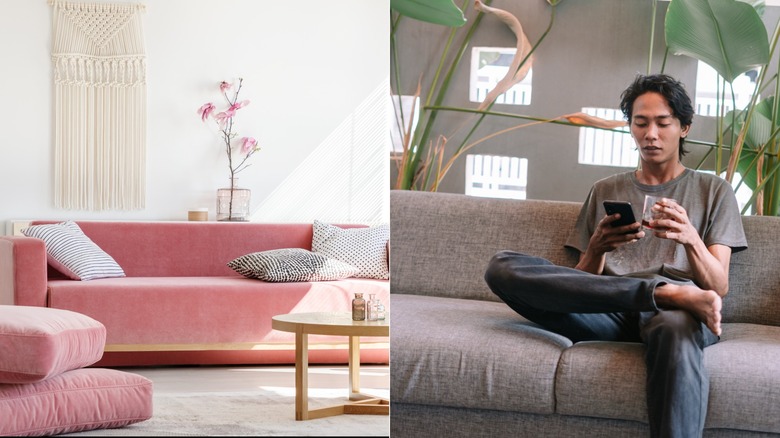
The biggest offender of 2010s core is either millennial pink or gray, the once-celebrated neutrals then known for their chic "uniqueness." Whether it was distressed gray wood flooring or dusty rose furniture, these colors had every 2010s young adult in a chokehold. Our obsession with cool and desaturated tones became the universal backdrop for the 2010s home, but in today's palette, earthier neutrals are the chicer, more elegant upgrade. Consider replacing your grays and pinks with khakis, mochas, and terracottas for a more elevated neutrality, or go fully jewel-toned to embrace the "more is more" maximalism that's trending now.
Chesterfield couches and sofas
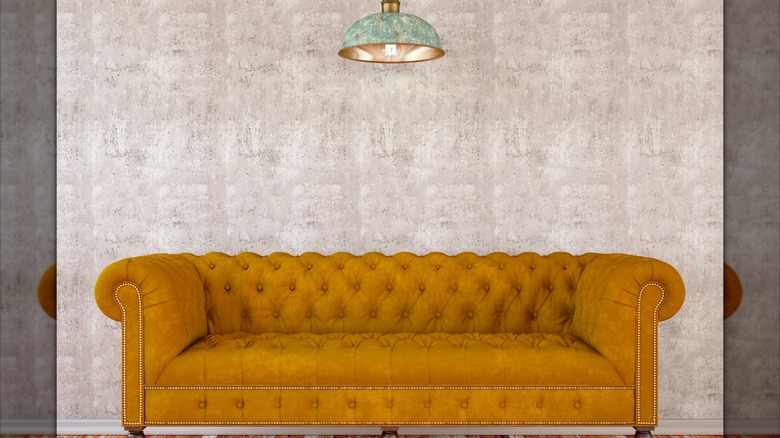
While they do have a fun vintage silhouette, the Chesterfield sofa is a couch design that is completely outdated nowadays due to its bulky silhouette. These couches became completely oversaturated when industrial-glam trends took over our Pinterest boards, and mass-produced versions in shiny faux leather or crushed velvet popped up in every furniture store. The rigid, upright back and heavy rolled arms now feels overly formal and clunky for the 2020s. Couches in this decade are trending towards curved, sculptural sleekness or low-profile modular sectionals in organic textures, rather than these tufted giants.
Shiplap walls
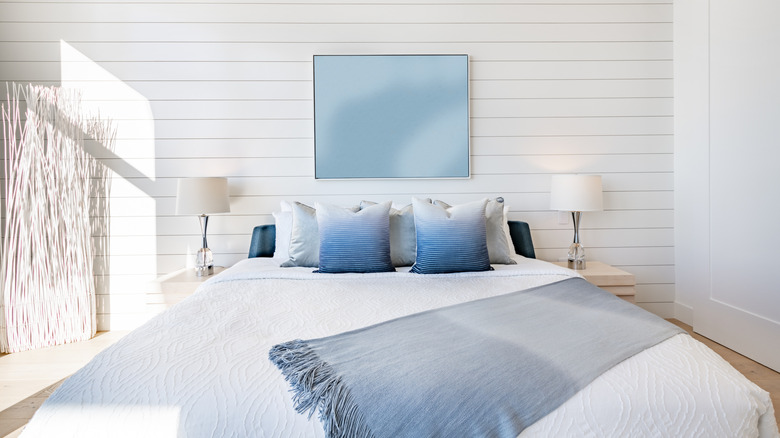
Shiplap walls became the ultimate 2010s poster children thanks to the modern farmhouse explosion fueled by shows like "Fixer Upper." What started as a clever way to add texture on walls quickly turned cookie-cutter, however, as it was over-applied to every suburban living room and bathroom during that decade. At this point in design time, the stark white, horizontal slats feel like a dated choice. Instead, homeowners are embracing vertical wood slatting, tambour lines, and skinny fluted panels to add texture to a room. Limewash paint and plaster finishes are another 2020s-approved way of adding some depth to the walls.
Mason jars
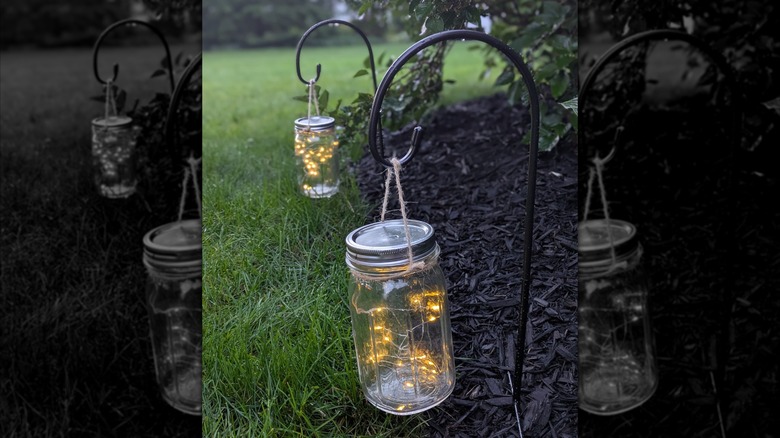
Mason jars were everywhere in the 2010s, leaping out of the pantry and onto kitchen counters, dining room tables, and backyard set ups by the thousands. And while back then using a mason jar for a lantern, wine glass, or water bottle was adorably shabby chic, its eventual overplayed status made it into a cheesy, dated decor item today. For a more intentional rustic look that fits today's aesthetic, swap the jars for tinted glassware or hand-thrown ceramics. These pieces give you that noticeably artisanal feel but with a sophisticated edge that feels right at home in the 2020s.
Chevron patterns
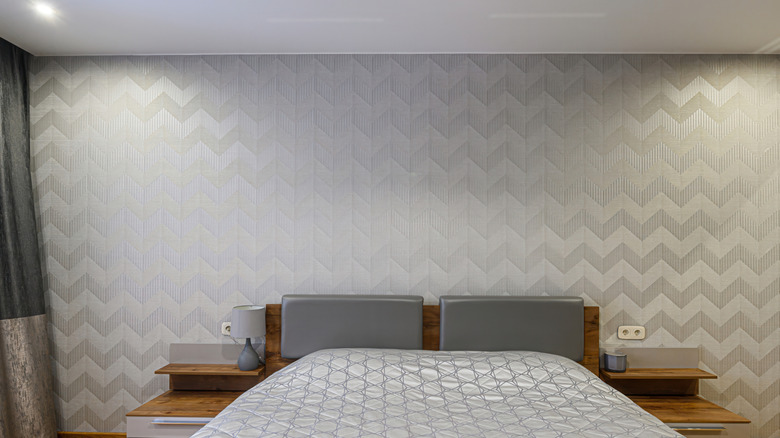
In the 2010s, chevron was the undisputed queen of patterns, found on everything from nursery walls to kitchen backsplashes. What was once considered a whimsical farmhouse design element became so common in households that it started to represent an era of fast, mass-produced Pinterest aesthetics that often felt more like a template model home, rather than a real one. Today, instead of the jagged, bi-colored chevron, designers are now leaning into monochrome herringbone patterns. While similar, herringbone is a heritage architectural design element that uses staggered rectangular blocks, which feels more structural than stale.
Burlap
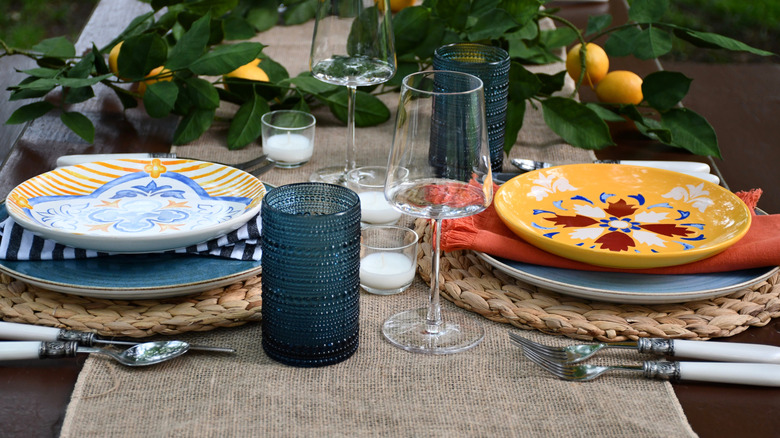
Another shabby chic, rustically romantic icon, burlap accents were the backbone of many 2010s designs. But as farmhouse aesthetics were steadily swapped for cottagecore vibes, burlap began feeling aged and dated. If you still like the organic, rustic quality of burlap though, look to different textural element that appeals to 2020s design. Think heavyweight linen or even jute. Jute gives you that substantive look if you want something a bit more rustic-themed, while linen is a more subtle, organic texture that can feel polished and yet undone at the same time, following in the spirit of burlap.
Macrame wall art
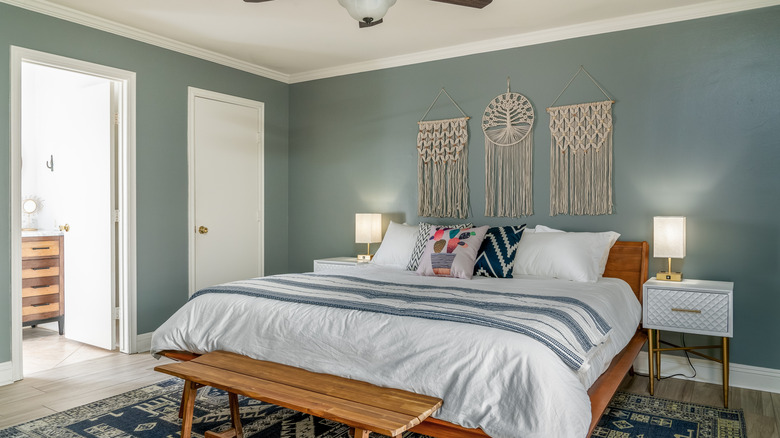
Another 2010 trend that took over the internet and home make over shows, the boho-chic aesthetic had us all looking at decor items that looked like yurt glamping decor. Macramé wall art was the ultimate symbol of said boho-ness, adorning many homes' walls alongside our burgeoning indoor plant obsession. And while it initially read handmade, and down-to-earth, fast and mass-produced options quickly made this decor piece feel tired. For a 2020s update, consider framed textile art or a quilt wall to add personality to the space and show off a piece that resonates with you.
Edison bulbs
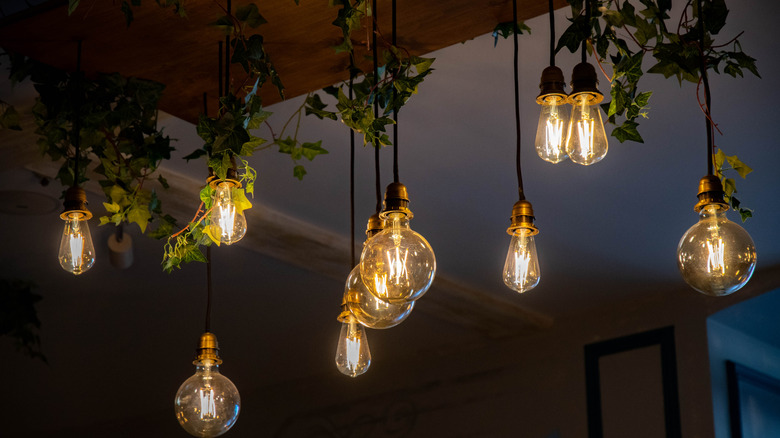
Going back to that industrialist, loft-chic that made us all yearn to work at Runway Magazine in Manhattan, Edison bulbs made your house feel like your favorite artisanal coffee shop. Popular in kitchen spaces (particularly over the island in those wire-framed diamond light fixtures), their textbook industrialism has made them a touch cliché. For the same atmospheric glow, but without the energy inefficiency and the cheesiness, consider using textile light covers over your LED bulbs. Pleated fabric shades, for example, can diffuse the light coming from the bulbs, casting a glow onto the room, without the 2014 warehouse restaurant vibe.
Rose gold accents
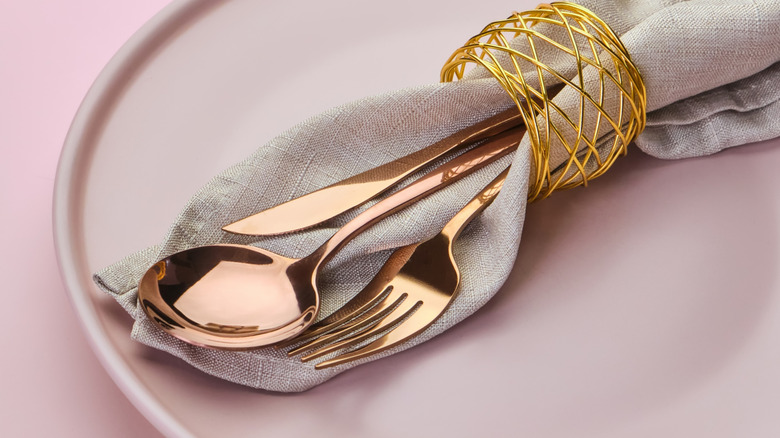
Rose gold was the undisputed 'it' metal accent of the 2010s, used in everything from desk lamps, organizers, and even kitchen or bathroom hardware. It epitomized the height of millennial glam aesthetics, often paired with marble or white faux fur. Its pink-toned, high-shine finish made it feel more alternative and unique to the boring silver chrome or gold hardware of the '90s, but unsurprisingly, a decade later, the metal feels overplayed. Today, antiqued brass hardware is making a huge comeback, a warmer, more patina-ed version of gold that feels modernly elegant and yet traditionally chic.
Ikat patterns
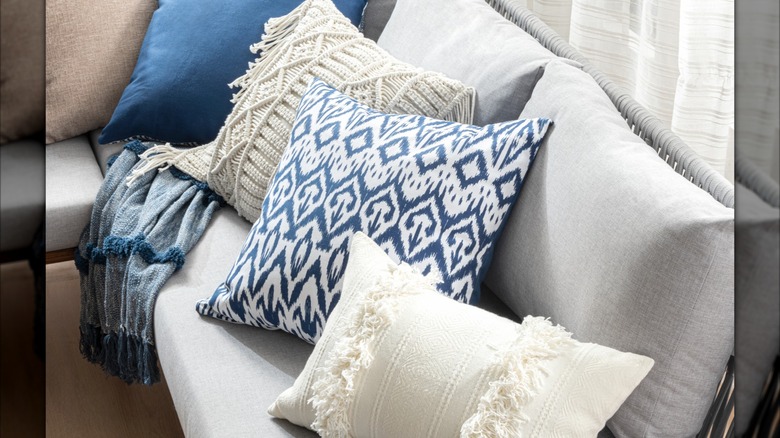
You may not have known what it was called at the time, but Ikat patterns was to boho-chic what chevron was to modern farmhouse. These blurred, diamond-like motifs appeared on everything from oversized throw pillows to upholstered dining chairs and curtains. However, the trend became so oversaturated, with the market flooded with low-quality, screen-printed versions that mimicked the look of traditional hand-dyed weaving without any of the craftsmanship. By the 2020s, these prints feel visually busy and synonymous with a specific era and personality of suburban boutique decor. The current move today is toward block prints or woven stripes.
Mirror furniture
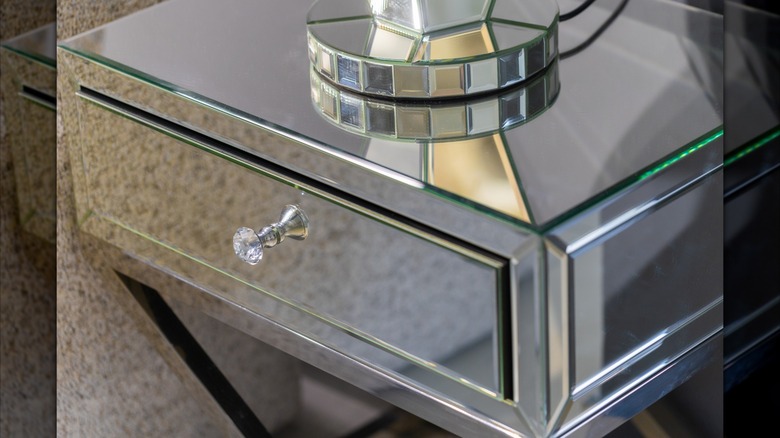
Inspired by Hollywood Regency, mirror furniture was another element of millennial glam palettes that shined next to its rose gold besties. From nightstands to dressers, these reflective surfaces were used to make rooms feel larger and more luxurious. But as the years wore on, high glam started to look loud and cheesy. Instead of mirrored surfaces today, consider high-gloss lacquered finishes or natural burl wood. While lacquer offers a similar sheen, burlwood feels expensive and unique, a way to add visual interest and luxury that feels much more relevant for the 2020s.
Chalkboard walls
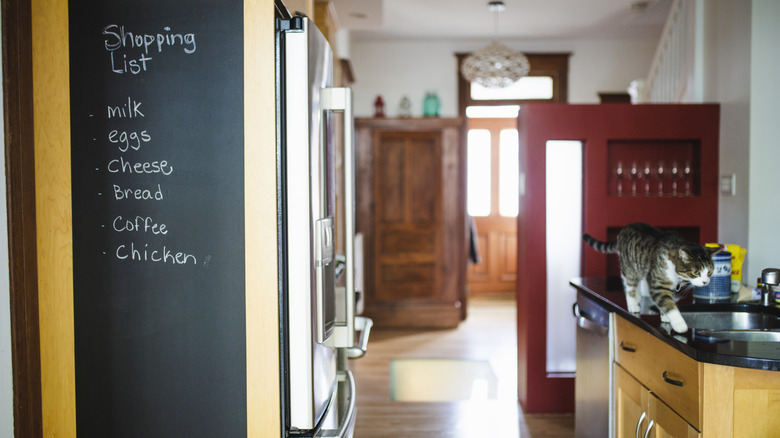
Intended to have a bistro charm in that shabby chic, modern farmhouse way, chalkboard walls were a whimsical way to write messages to your family, but in today's streamlined kitchens, a dark wall with chalky, dusty messes on them feel less chic, and more cheugy. If you do find the need to send messages or pin things up on a wall, opt for a hanging linen-covered message board with brass tacks for an Old-World charm. Or, if you want a moody accent wall, consider a deeply toned limewash or dark wood paneling as a more modern alternative.
Sliding barn doors
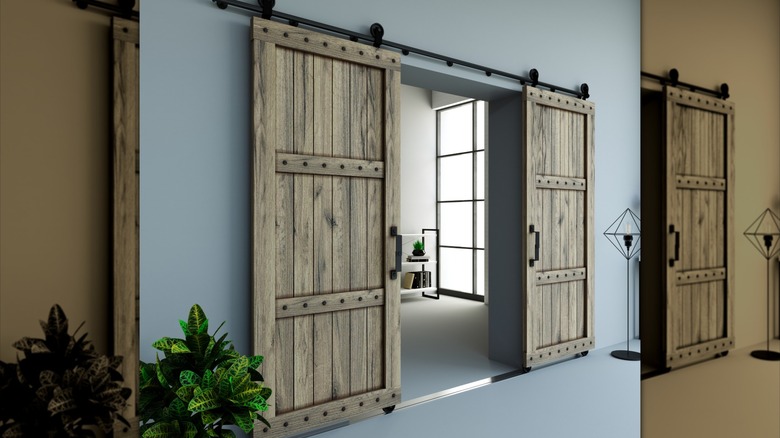
Sliding barn doors effortlessly fit into the modern farmhouse look, cleverly concealing laundry rooms and pocket bathrooms without taking up the space that a traditional door would. However, as design aesthetics moved away from the overtly chunky, country-inspired motifs of the 2010s, the clunky black hardware and bulky wood stood out in a dated way. On top of that, the barn door was an impractical choice in many ways, offering very little soundproofing or privacy. Traditional pocket doors are now making a comeback; they have the same space-saving properties, but aren't so in-your-face as sliding barn doors once were.
Corny signs
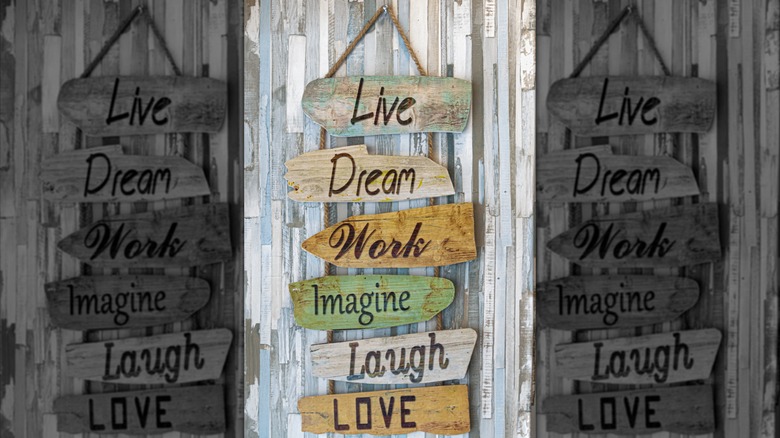
Typography-based decor had a big moment in the 2010s, reminding us in cursive to "live, laugh, love," or "gather." While intended to be sweet, in today's design world, it's a little eye-roll inducing given how impersonal the signs now feel. Designers today prefer objects within the home to tell a story, rather than have it literally written out. Consider artwork from your favorite local artist, or vintage posters that show off your favorite era of time. These pieces offer a more sophisticated, curated vibe but still give off a sense of who you are and what you believe without wood and cursive.
Pineapple themed decor
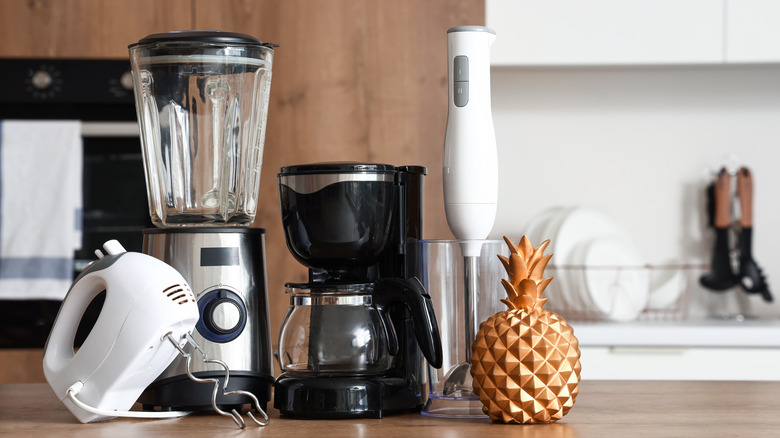
To be fair, the pineapple has been a universal sign of hospitality for centuries, but in the 2010s it had a big resurgence in home decor and fashion. It was yet another hallmark of both boho-chic and millennial glam, manifesting in gold-foiled prints and ceramic cookie jars to brass lamps and patterned wallpaper. Its sheer ubiquity in discount home stores, however, made it overplayed, and pineapples have seen a steady decline (tropical themed homes not withstanding). If you still like the idea of fruit or florals as your base, opt for historic botanical prints for that wallpaper or framed art instead.
Faux sheepskin
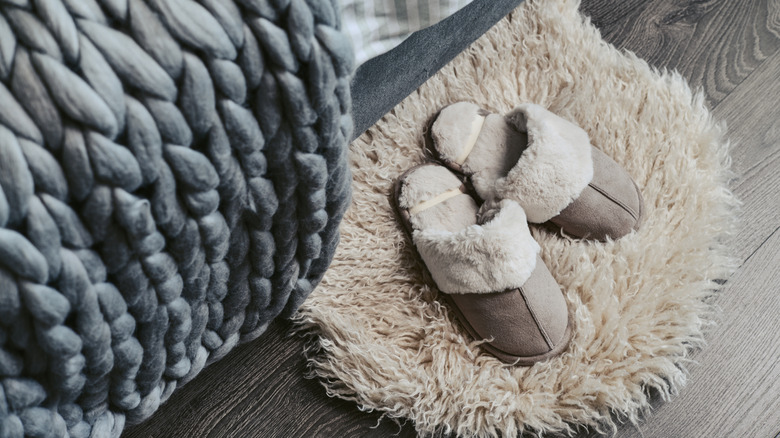
Remember when hygge, the art of Scandinavian coziness, was all the rage in the 2010s? The faux sheepskin rug and other fluffy accents were the poster child of Pinterest, Scandi-chic, and they were oh-so Instagrammable, especially when paired with twinkle fairy lights and a roaring fire. While this 2010s hallmark provided texture to a room, today it feels dated given how many synthetic copies were made throughout the decade. As design is now shifting toward more sustainable ways of decorating your space — thus, moving away from acrylic imitations of the real deal — the more eco-friendly, while still-wallet friendly alternative are items like vintage rugs or natural fiber pieces.
Plastic letterboards
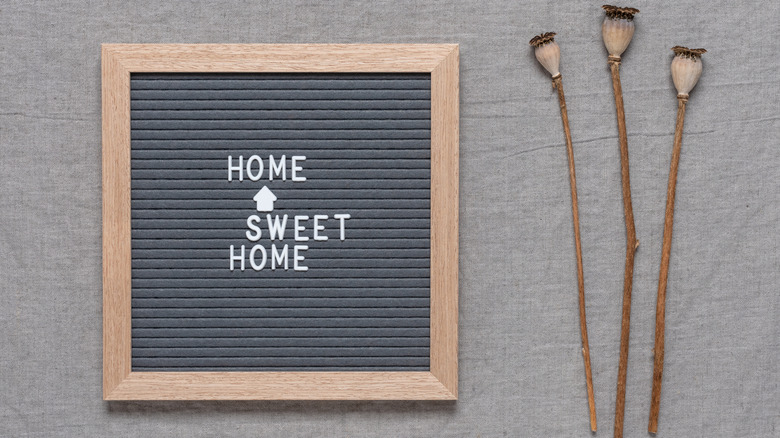
Like ye olde chalkboard wall of the 2010s, the plastic letter board was yet another message-based decor piece that ruled internet aesthetics in the decade. From announcing baby milestones to displaying punny kitchen quotes, they embodied the retro-analog vibe that felt modern and unique in the early days of Instagram, allowing for quirky messages to grace kitchen tables and mantel pieces everywhere. Fast forward to today, the letter board now feels kitschy in a distinctly millennial way. A 2020s plastic letter board update suggestion is to lean into technology, with DIY framed digital screens as a chicer, more modern alternative.
Marble and gold contact paper
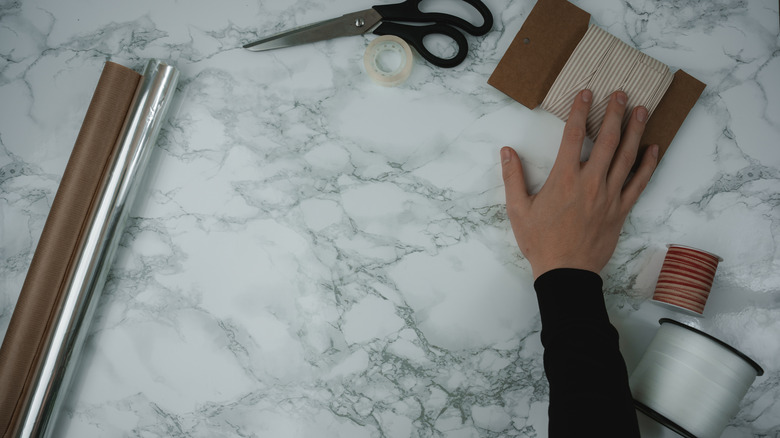
DIYing was the name of the game in the 2010s. And how many of us used marble or gold contact paper as a budget-friendly upgrade to our apartment bathrooms and kitchens? Contact paper in these patterns promised a luxury look on a shoestring budget, embracing that millennial glam trend we've mentioned before. However, contact paper hasn't aged all that well over time, and it now feels painfully obvious that the paper is glossy vinyl rather than real marble. However, you can still DIY your favorite look, but with more elegant alternatives, like bold wallpaper or paint.
Subway tile
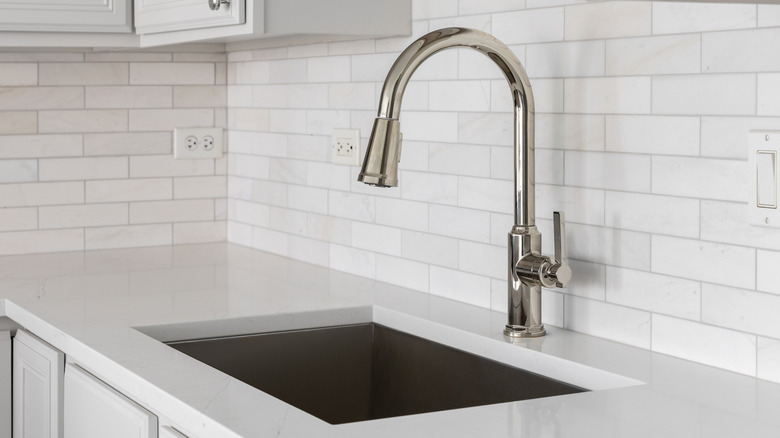
While it may be controversial to say that subway tile feels 2010s, white subway tile was a kitchen and bathroom darling during the time for its clean aesthetic. It was affordable, easy to DIY, and used by the tons in home make over shows, but today the standard subway tile look feels a bit too clinical to be entirely classy. As design shifts toward more unique and warm spaces, tiles like Zellige-styles, offer that more organic vibe, rather than the machine-made precision of subway tiles. It feels softer, and yet still clean, but not too sterile like subway tiles are.