

How To Use A Dehumidifier To Help Keep Your Tools Rust-Free
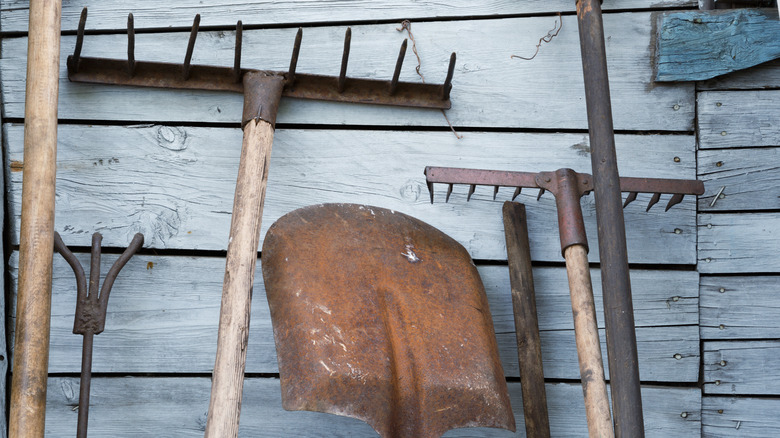
Water damage is often the result of flash flooding due to rainstorms or an unseen leak coming out the back of your washing machine. However, you should also be wary of water damage stemming from high humidity due to excess moisture that comes out of plants, stored firewood, unventilated appliances, damp crawl spaces, and more. This kind of humidity can lead to problems like mold damage in your bathroom, or rusty garden tools and woodworking tools. If you want your tools to last as long as possible, running dehumidifiers is an ideal way of tackling issues with moisture if you can't resolve the original source of that humidity.
Rusting is a natural, unavoidable part of life that results from iron-based metals corroding due to contact with water, and then taking up oxygen molecules to form iron oxide. The best thing you can do is store your tools inside to avoid conditions like morning dew (though do not put them inside inherently humid places like greenhouses) and keep the storage space dry using a dehumidifier, ensuring windows and doors are closed as the machine runs. Be sure to clean and oil the tools to dissuade the effects of dirt and water from regular use. Rust is an incredibly inconvenient problem for your tools; it will eat away at the metal's structural integrity and cause otherwise mobile parts to become stuck (not to mention the way wooden handles can split under high humidity), so placing them by a dehumidifier can make all the difference.
Picking the right dehumidifier for your space is important
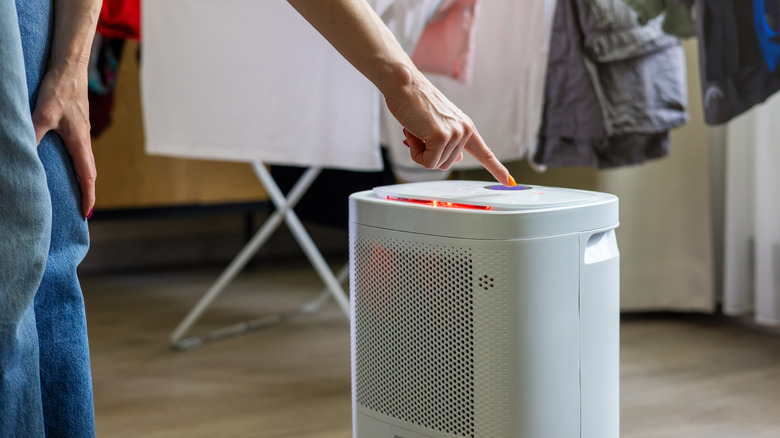
Unlike air conditioners, dehumidifiers remove moisture from the atmosphere without changing its temperature, making them an ideal choice for a space you want to keep in stable conditions. This also means dehumidifiers work just as well during hot summers or cool winters, allowing you to take care of your tools year-round. However, there are some important considerations to make when choosing a dehumidifier for your space, be it a garage, shed, or any other place you might keep rust-prone tools. For example, the Association of Home Appliance Manufacturers judges dehumidifier capacity by how many pints of water can be removed from given square footage in a 24-hour period. Dehumidifier coils should also be centrally located and easily accessible to operate efficiently, and a condensation container will need to be replaced periodically depending on its storage space (some dehumidifiers will also shut off automatically when the collector is full, so you won't know if it stops protecting your stuff).
There are four main methods of dehumidifying a space: aeration, absorbing, adsorption, and cooling, though most household units use cooling. You should also avoid common mistakes when dehumidifying your home for maximum efficiency. Namely, when placing it by your tools, leave enough space around the dehumidifier so its ventilation isn't blocked. Also, make sure your storage area has no open doors or windows through which moisture can continue to leak in.
Maximize the efficacy of the dehumidifier method
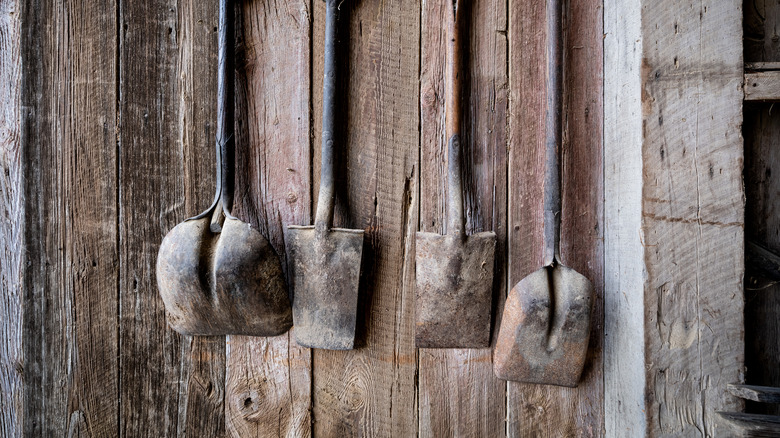
A dehumidifier is great for combating the humidity around your tools so they don't get rusty, and they also target mold, bacteria, and dust mites. This means there are a lot of unlikely places you can stick a dehumidifier to maximize its benefits, especially if you're looking to foster a space that's better for people with a history of allergies or asthma. However, even if you run your dehumidifier perfectly throughout its lifetime, it still runs the risk of causing problems. If you don't regularly clean it, this means mold is likely to grow around the drainage areas. A dirty dehumidifier filter also means the entire device is going to run less efficiently, which makes it more likely that moisture will slip through to impact the build quality of your tools.
If you want to keep your tools rust-free and in good shape, you'll have to follow a few steps alongside your dehumidifier use. Any tools should be thoroughly cleaned after use, especially if they're used outside for gardening, and larger items should be hung up to avoid touching pavement, which can hold onto moisture and thus promote rust. You should also add a protective coat of oil or other rust-blocking substances that ensure water has a harder time reaching the metal, especially in cases where your dehumidifier unexpectedly fails for whatever reason. Still, keeping that stable atmosphere is the most important thing, so an appropriate-sized dehumidifier is an investment that's wholly worth making.