

How To Protect Your Pipes In The Winter When Your Power Goes Out
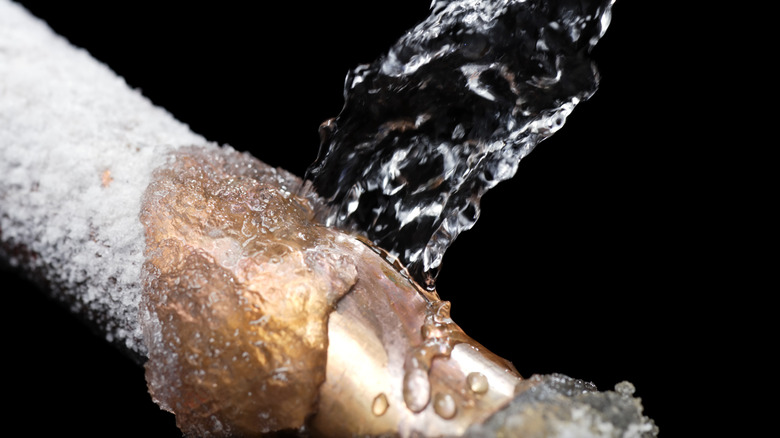
Many of us have experienced a power outage at one time or another. Most of the time, it's nothing more than a minor inconvenience. But when a power outage happens when temperatures are frigid, it can quickly become a dangerous situation not just for us but also for our homes. When ambient temperatures reach 20 degrees Fahrenheit or colder, the water in our plumbing can freeze, which can cause pipes to burst and create expensive repairs. But there are a few things you can do to prevent frozen pipes from causing damage in your home. From dripping water through your pipes to wrapping them in towels, you can stop a minor inconvenience from becoming a major headache.
Preparing your home for a winter storm power outage is something many homeowners in the northern U.S. are used to. It's almost second nature to prepare our homes and ourselves in the fall for anything the coming winter might throw at us. This usually includes sealing windows and doors, putting thermal protection on outside faucets, clearing gutters, and so much more. But for those experiencing an unusually cold winter, knowing what to do when the power goes out might not be as obvious. Losing power for a few hours is usually not a big issue, but what if you're not sure when the power will be restored? How do you protect your plumbing? The first step is to be aware of where your piping might be exposed to colder air, and then take action.
Take action to prevent pipes from freezing
The problem with frozen pipes is that water expands when it freezes, so if there is water in the pipes when they freeze, the pipes may break. The best way to prevent this is to either prevent water from being in the pipes in the first place or not allow the pipes to reach the point of freezing.
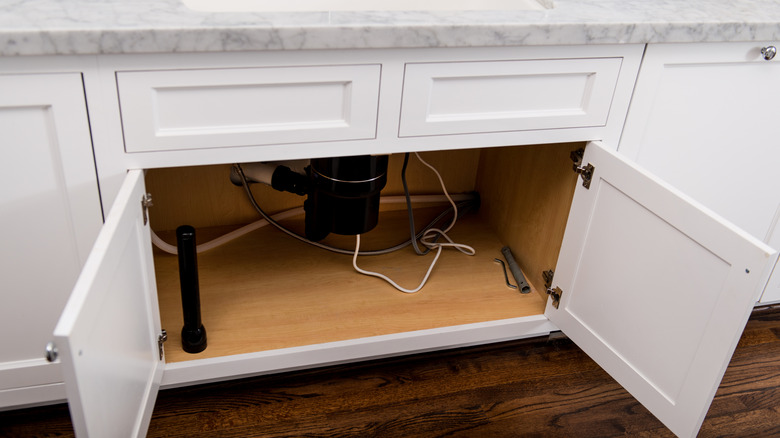
If you are on municipal water, you can still run water through your plumbing during a power outage. The easiest quick fix (especially if you know the power outage is short term) is to trickle water through all the faucets in your home, especially those farthest from the main line. If you are on a well that requires power to the pump, you will need to try some other methods. Open the doors to all your sink cupboards so the pipes can benefit from any warmth in the rest of the house. You can also wrap extra blankets or towels around exposed pipes to help insulate them.
You should shut off the water supply in your home that goes to any outside faucets, and make sure to open the valves on those outside faucets. If you know your power is going to be out for more than a day (and you have no way to keep your home warm), it's a good idea to turn off the water main leading to your home and drain all the water from your pipes. This should prevent the pipes from bursting.