

Your Home May Not Be Protected From Fire Without This Structural Element
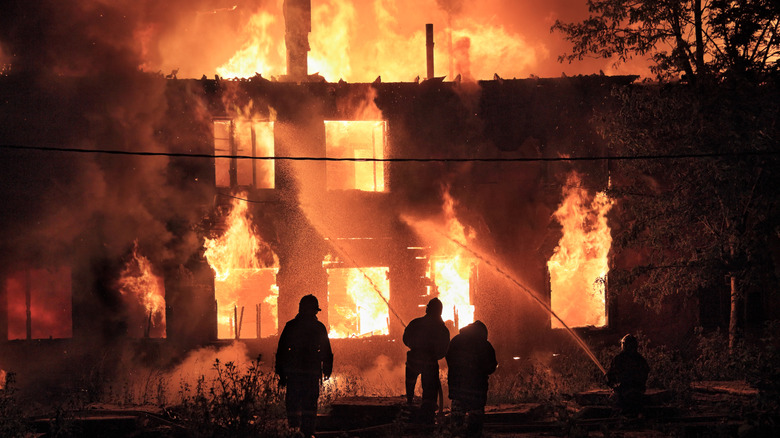
Do you know the most significant cause of wildfires spreading and destroying homes? You might be surprised to learn that flying embers (also called "firebrands") are the primary drivers of home destruction in wildfires. You can probably guess the most vulnerable part of your home when embers are flying. Yes, it's your roof, a big surface for embers to fall on – and they may stay on your roof, burning long after the flaming front of the fire has blazed past your home. Roofing materials and other factors determine whether those embers breach your roof and set your home on fire.
That's why a rating system was developed for roofing fire resistance. A roof can be rated Class A, Class B, Class C, or unrated. Class A is the most fire-resistant and is the structural element you need to protect your home in fire. A new roof is not cheap and roof replacement prices are out of control in the U.S., but if you live in a wildfire-prone area, you'll want to consider one. Your roof is the key part of your home you should always splurge on in a renovation.
Class A roofs offer optimal fire protection
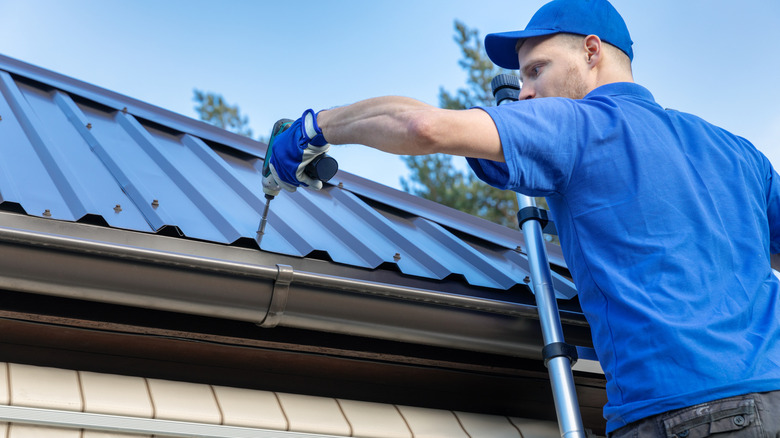
Fire-resistant materials used in Class A roofs include fiberglass asphalt composition shingles, concrete or clay roof tiles, and usually metal, which may need a fire-resistant underlayment of Type 72 capsheet (roll roofing) material to be eligible for Class A. Class B roofs, providing moderate fire resistance, are commonly made of pressure-treated wood shakes or synthetic rubber. Class C roofs provide minimal fire resistance and are likely made of untreated organic asphalt shingles. Unrated roofs offer virtually no fire protection and are made of materials like untreated wood shakes, which don't meet rating qualifications. It's not just the materials that make a roof Class A, but the fact that required materials have been tested for limited flame spread, smoke development, and heat release.
You are likely eligible for a discount on homeowners insurance with a Class A roof; for example, in California, a discount of up to 14% applies for Class A roofs. Second, instead of a whole new roof, you can opt for a Class A assembly placed over your existing roof at a cost 25% less than a new Class A roof. This process comes with a few caveats, such as regulations governing the number of roof layers, adding extra weight to your home, possibly finding damage on the old roof, and being eligible for no or lower insurance discounts compared to putting on a new roof. The bonus good news is that Class A roofs can boost property values.
Of course, your roof's rating isn't the only factor that affects its fire resistance. The roof's age, complexity, and condition also figure in. But when you're looking at ways to help protect your home against fires, a Class A roof will go a long way toward that goal.