

Lanterns Are The Vintage-Cool Way To Light Your Home: Here's How To Style Them
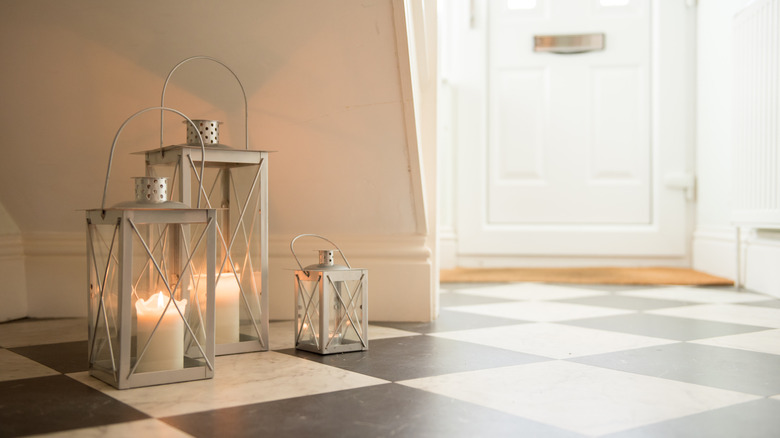
It seems vintage interior styles demand vintage lighting solutions, but scoring an authentic Tiffany lamp or the perfect crystal chandelier isn't always in everyone's cards. And, if you're hoping to save money, purchasing an antique store light fixture may not be feasible. Thankfully, there is one lighting solution that is not only affordable, but also oh-so-vintage: the humble lantern. The lantern is a well-known decorative element often found in farmhouse-styled interiors, providing rustic charm and functionality that other decor simply can't match. The great news is that lanterns are relatively common, abundant in many vintage shops and antique stores. You can turn this ordinary thrift-store find into dazzling ambient lighting, giving your home a cozy aesthetic that also aligns with your design scheme.
However, one of the greatest appeals of lanterns is their versatility. Rather than outfitting them with candles or a light source, you could get creative by adding alternative decorations tucked just behind the glass panes. This can make for the perfect tabletop centerpiece or fireplace mantle feature. Additionally, lanterns can be placed indoors or outside on a patio or porch. Whether you're using them for cozy lighting or as a statement decor piece, these little thrift finds add character to your home design.
Classic ideas for styling vintage lanterns

There are a few tried-and-true lantern styling techniques you can use to spruce up your home. Many of these ideas can be utilized both indoors and outdoors, with a few modifications. Many homeowners love to adorn their front entrances with lanterns, particularly when styling seasonal setups. And if you're looking for cute outdoor lanterns to give your porch a glow up on a Dollar Tree budget, you can either DIY your own using wood to create larger lanterns, or keep the same lanterns you may already have up year-round and swap out decor for the various holidays and seasons.
Of course, the most common way to light a lantern is to insert a candle, whether wax or battery-powered. But rather than adding only one, why not add three? Choose candles of varying widths and sizes for the best effect. This is a common technique, often seen in farmhouse aesthetics, for styling tabletop or larger lanterns placed by the fireplace. However, it's important to consider that this look could come across as overdone, as many farmhouse design choices feel overused and predictable.
Another way people use vintage lanterns for their decor is by adding potted plants. Whether real or fake, greenery inside a lantern is a great way to bring a touch of biophilia into the home. You can use pebbles as a base for succulents inside your lantern, or add a small pot inside to hold plants.
Unique ways to style a vintage lantern
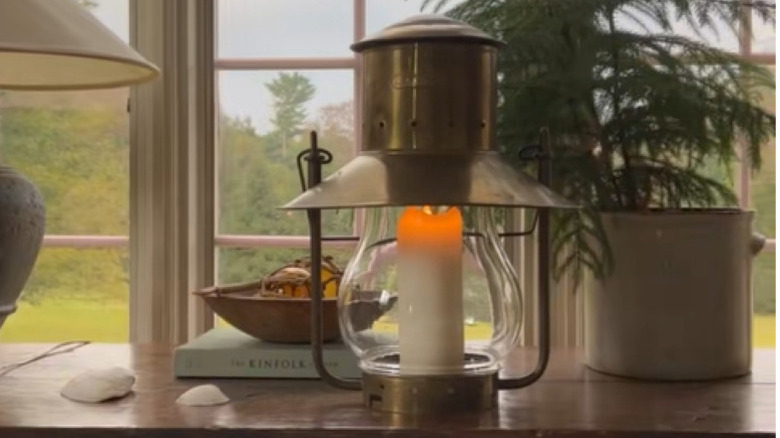
If you prefer a more unique take when styling your vintage lantern, you can blend a few of the ideas above. For example, wrapping a candle in faux vines and fairy lights can create a cozy, whimsical vibe. Not only will this add functionality to your lantern, but it will also introduce greenery, making it a statement piece as a side table. Alternatively, if you prefer larger floor lanterns, layering them along the stairs of your home, whether indoors or outdoors, is an elegant design choice.
A clever DIY project that may require some artistic know-how and a bit of time is transforming a vintage lantern into a miniature diorama. For example, one Instagrammer revealed a whimsical fairy bookshop diorama made of miniature pieces like those you'd find in a dollhouse. Tiny setups like this could be great for kids' rooms, tucked in between books on home office shelves, or as a touch of whimsy elsewhere in the home.
Another unique DIY is upgrading your dining room or kitchen lighting with this vintage-inspired trend, using an ordinary lantern. One TikToker sourced a gas railroad lantern at an antique shop. She brought it home, taped the metal lid's top with painter's tape to prevent the drill bit from slipping, and drilled a hole large enough for an electrical cord. Then, she strung up the light cord, installed the piece to the ceiling, and added a bulb.