

Fill Your Garden With Pollinators By Planting These Herbs Next To Your Rosemary
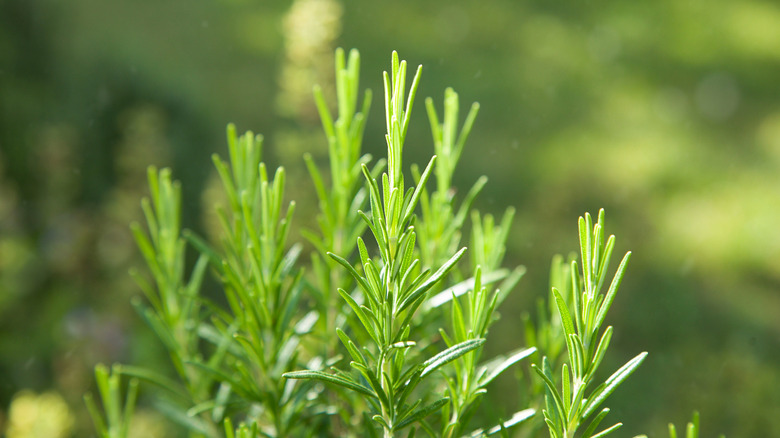
When you plant rosemary (Salvia rosmarinus) in your garden, you're carrying on a rich tradition. Having been cultivated for over 5,000 years, rosemary is a delightful evergreen that's brimming with practical uses and charm. By including it in everything from flower beds and border plantings to containers and herb gardens, you're laying the foundation for an outdoor space with practical use, year-round interest, and evergreen structure. Versatile rosemary makes an excellent companion for many different herbs and perennials, especially other Mediterranean herbs like thyme, oregano, marjoram, and lavender. Together, these herbs will fill your garden with aromas that attract pollinators, creating a stunning herb bed that's quite literally buzzing with life throughout the growing season.
Long before humans began cultivating these herbs, they grew together in the lands that border the Mediterranean Sea. Many of the herbs we use today come from this region; the ones that share the same growth patterns, flowering cycles, and growing conditions as rosemary make natural companion plants in sunny gardens with well-drained soils. Whether you choose a tall, upright cultivar or a low-growing, trailing variety of rosemary for your winter garden, this plant can serve as the backbone in a Mediterranean herb bed.
Plant rosemary with thyme, oregano, marjoram, and lavender in a pollinator garden
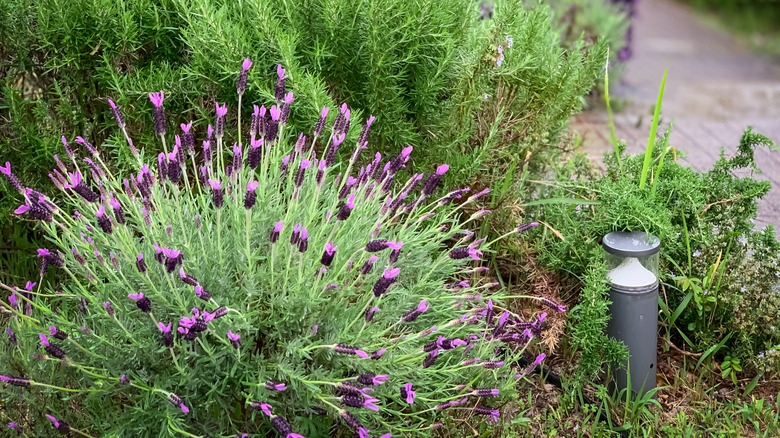
You can grow rosemary with herbs that like dry soil. This is why thyme, oregano, marjoram, and lavender are great for growing alongside it. It's best not to mix rosemary with herbs that require moist soils, like mint, parsley, chervil, cilantro, and dill. This could have been the problem if you've ever tried to grow rosemary and failed. When growing rosemary with other herbs in your pollinator garden, remember that it loves to grow in sandy soils, so you may have to add sand or gravel to the soil. This one simple addition will help your rosemary plants thrive, and herbs like thyme and lavender will also benefit from sandy soil.
If you're treating rosemary as a foundational plant in your herb garden, be sure to choose a cultivar that's hardy for your zone; otherwise, you may have to prepare your rosemary plants for winter indoors. Most are hardy in Zones 8 to 10, but some cold-hardy varieties can grow in Zones 6 and 7 without protection, along with other hardy herbs like thyme and oregano. Since all of these plants are in bloom at the same time, they are often used together to attract bees and other pollinators. Rosemary's fine leaves and clusters of flowers pair beautifully with other herbs in butterfly gardens and along garden paths. Cultivars range in height from 2 to 6 feet, so plan ahead and give them plenty of space when planting.