

The Most Bizarre Plant Fertilizers (& Whether You Should Try Them Or Not)
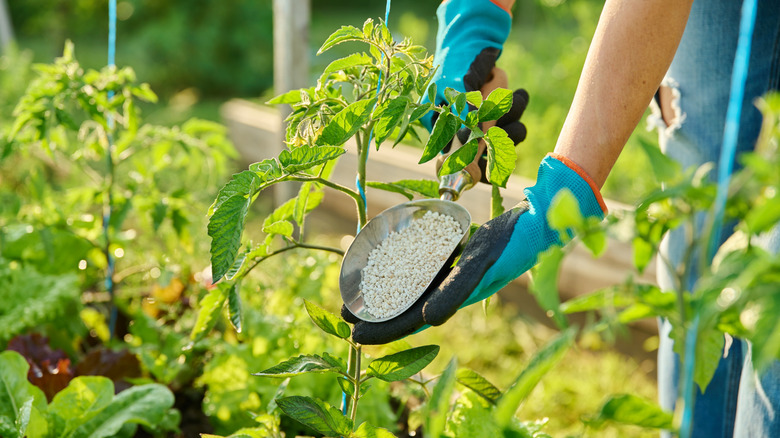
From Miracle-Gro to food scraps, there are plenty of options for gardeners when it comes to plant fertilizer. Among the products that can help your plants thrive, there are plenty of popular compost ingredients you likely already have at home, like dryer lint and coffee grounds. However, there are some rather bizarre options you may not have heard about. From leftover waste like ashes, aquarium water, and even urine to food products like milk, seafood, and wine, these strange plant fertilizers may have the potential to provide the boost your plants need. That being said, just because something can be used as fertilizer doesn't always mean it should be.
Of course, different fertilizers have specific applications for certain plants. Not all plants need fertilizer, but some cannot thrive without essential nutrients that your soil may be missing. Before starting any new fertilizer, it is best to get a soil test done to determine which nutrients your soil may have in abundance or be lacking. Consider the plants in your garden and their nutrient needs throughout the season before adding any extra materials.
Ashes
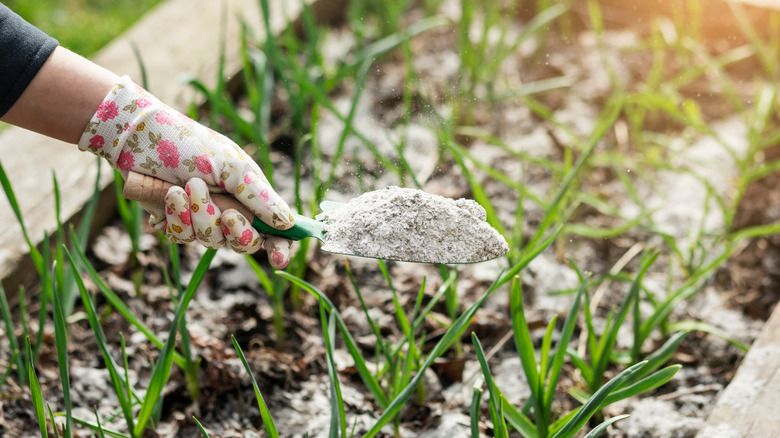
Wood ash is generally used to provide essential nutrients in soil that needs an adjustment to the pH levels. In addition to the acid-neutralizing properties, ashes contain potassium, magnesium, phosphorus, sulfur, iron, aluminum, manganese, zinc, and boron. While this works great for specific situations, you may want to think twice about using it in your yard if you have any acid-loving plants, which may become more prone to damage and chlorosis. It is also essential to use uncontaminated wood (nothing burned with treated wood or garbage) and apply only the amount needed to adjust pH according to a soil test.
Aquarium Water
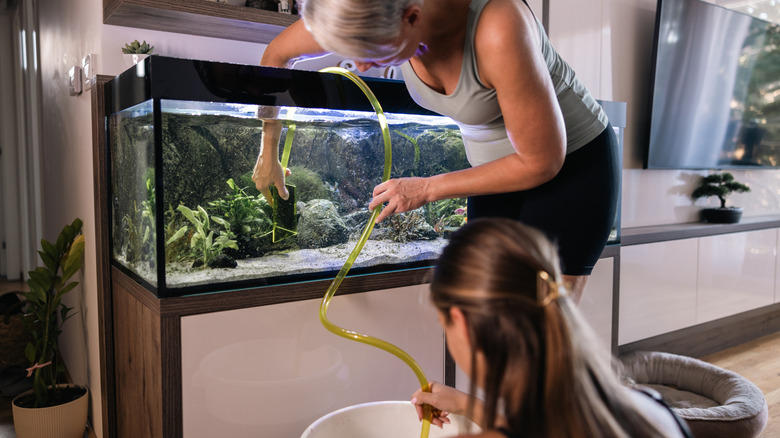
You may have heard that certain types of wastewater can be used in the garden, like leftover pasta or rice water, but have you ever thought about saving your aquarium water after a cleaning? Aquarium water might just be the secret to growing full, healthy plants, but only if you use the right kind. Never use water from a saltwater tank on your garden, as it will cause serious damage. Dirty water filled with fish poop from a freshwater tank, however, is a great way to add nutrients, including potassium, phosphorus, and nitrogen, to your soil while hydrating your plants and reducing water waste.
Gelatin
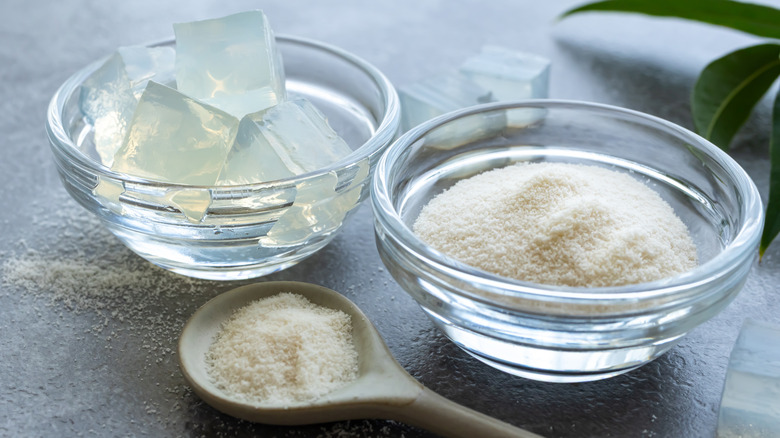
Gelatin is one kitchen ingredient that might give you a green thumb in your garden. It is not a complete fertilizer, but it is a viable source of nitrogen for germinating plants like cucumbers, peppers, broccoli, tomatoes, arugula, and corn. In addition, you can combine it with other household ingredients like banana peels to add potassium and phosphorus to make a complete fertilizer. Alternatively, you can add it to potting soil that already has potassium and phosphorus but lacks nitrogen. Plus, it can be expensive to use it in your garden, so it is best left for smaller applications like houseplants and garden boxes.
Hair
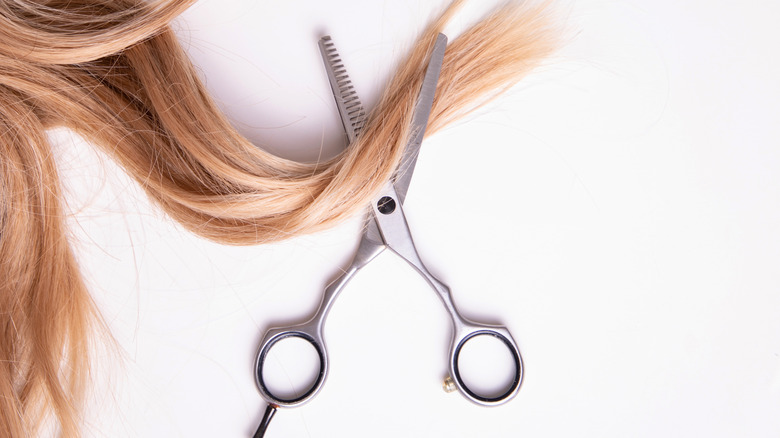
Yep. You read that right. Some people believe that human and animal hair is a good source of nutrients for their plants. While this may sound a bit weird, those people are right! Hair acts as a slow-release nitrogen fertilizer as it decomposes. You can either spread it directly over the soil like mulch or add it to your compost, depending on your fertilizing needs. Clean clippings are best, but avoid hair with artificial dyes or chemicals.
Milk
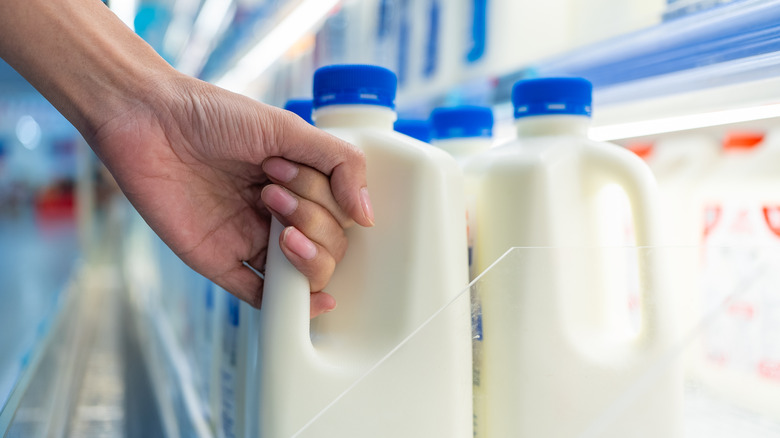
Most people are aware of the benefits of drinking milk for humans, especially when it comes to calcium. But did you know that it can also be used as a fertilizer for plants? Calcium can help certain plants like squash, tomatoes, and peppers fight blossom end rot. It can also be effective in deterring certain pests; however, too much can have the opposite effect. Not to mention, milk isn't always the cheapest option, so while it may be a viable fertilizer, it may not be the most practical.
Nail Clippings
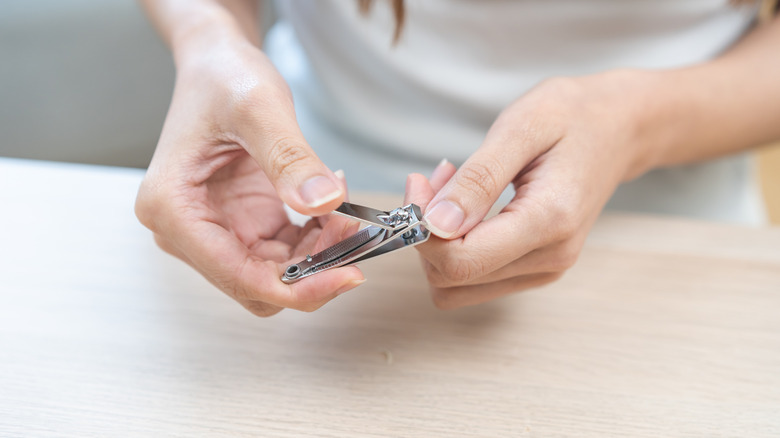
Nail clippings work the same as hair in your compost pile, and a little goes a long way. Adding a small sprinkle to your compost starts a slow-release process that adds nitrogen and other essential nutrients to the soil. Just like hair, nails contain keratin that breaks down into nitrogen over time, but they also contain calcium and phosphorus. It is generally not recommended to add clippings directly to the soil because the composting process helps to break down the nutrients in a way that is better absorbed by plants.
Rabbit Poop
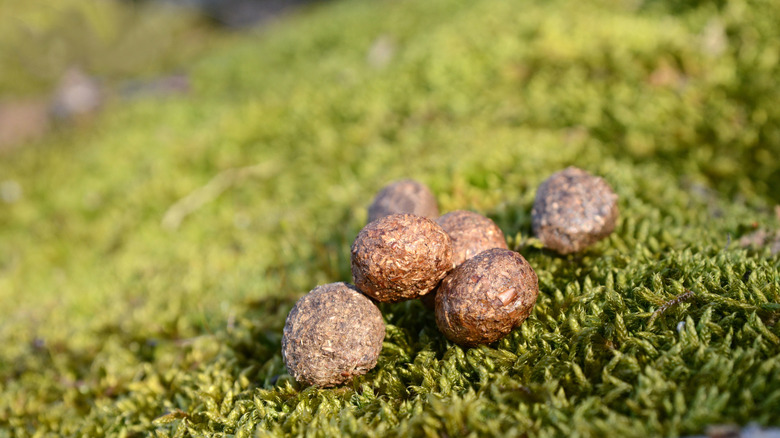
Rabbit poop, or rabbit manure, is an excellent fertilizer for your garden plants. Not only does it provide the same benefits as other manure, but it is considered a cold compost, meaning you can use it without composting it first. Just add a small handful (or scoop) to the top layer of soil. If you do decide to compost it, though, the benefits are amplified. Plus, if you know any rabbit breeders, you can be sure they have plenty of manure on hand.
Seafood
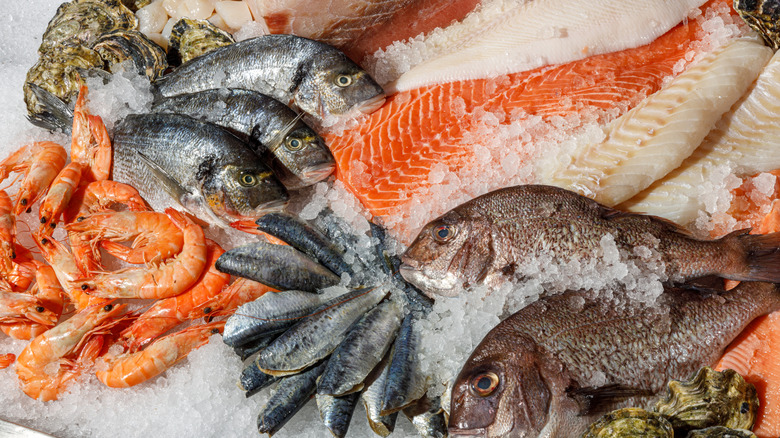
Some gardeners swear by adding raw fish or crushed oyster shells to the garden to give plants a nutrient boost. However, you will want to keep them out of your compost. Instead, it is recommended to bury small portions of fish directly in the ground near your plants and watch it work wonders. For a more effective option, you can make a fish emulsion fertilizer for your lawn, which is one of the best ways to add nitrogen, phosphorus, potassium, calcium, magnesium, sulfur, chlorine, and sodium to the soil. Alternatively, you can add crushed oyster shells to add calcium and make the soil more alkaline.
Urine
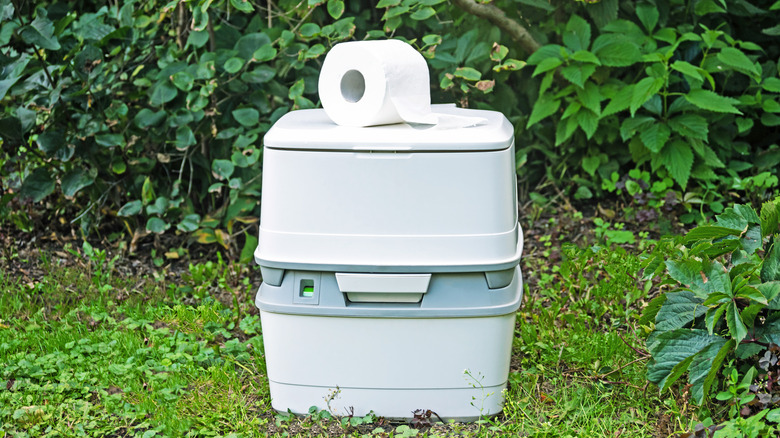
Some people are very uneasy about the idea of collecting urine for their garden, but the benefits may be worth the hassle. Before you get completely grossed out, you'll be happy to know that you can use a compost toilet to collect the urine without any mess or risk of spillage. Plus, it saves water in both your home and your garden. Urine contains nitrogen, phosphorus, potassium, magnesium, calcium, and sulfur at levels that are great for growing plants. If you decide to use this fertilizer, be sure to only apply it to the soil, not directly on the plants.
Wine

If your red wine has gone bad, you don't have to throw it out; you can use it on your plants after it's been composted. To make it safe for plants, you will need to dilute it with water and let it sit in the refrigerator for a few weeks. When it's ready, add it to your compost pile. Do not put it directly on your plants. This booze beverage plant fertilizer isn't a bad choice per se, but wine generally isn't considered cheap, so it may only be practical if you already have spoiled wine on hand.