

25 Commonly Overlooked Things You Should Be Disinfecting
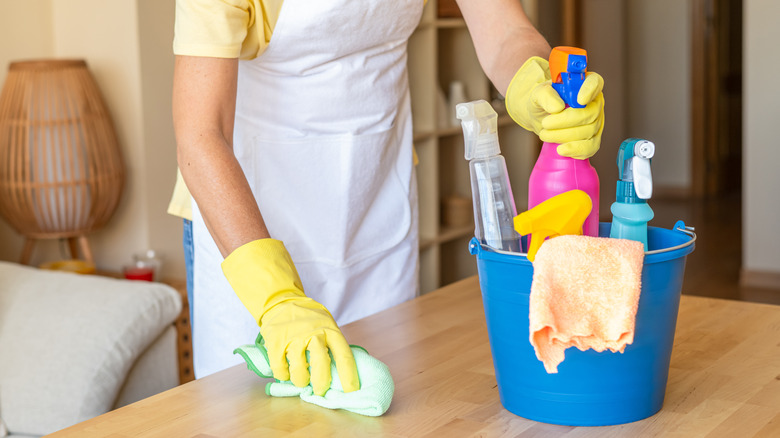
In a single day, you can encounter thousands of germs. These microbes exist on every surface you touch — as well as those you don't, from the air around you to soil. You even have microbes living on your skin. While many germs are harmless, there are some microbes out there, like bacteria or viruses, that can make you sick. As a result, it's important to clean the surfaces around you to keep any unwanted microbes from spreading, including those areas you may not think about at first.
High-touch areas can be a magnet for germs, and while cleaning can give a cleaner appearance, it may not target those microbes. Cleaning, sanitizing, and disinfecting are three separate processes. For example, where sanitizing means to reduce the number of microbes to a healthier level for public safety, disinfecting a surface means to kill the majority of the microbes, reducing the population and thus the spread of germs around the areas you frequent. Because of this, it can be handy to establish a routine for disinfecting those commonly overlooked areas around your home and workspace.
Before diving into the areas around your home, you may be forgetting to disinfect — such as your keys, your mailbox, or even your kitchen sink —make sure to brush up on the wrong ways to use disinfecting wipes and spray so you know what to avoid. Also, make sure to double-check that any product you do use is compatible with the material you're disinfecting.
Kitchen sink
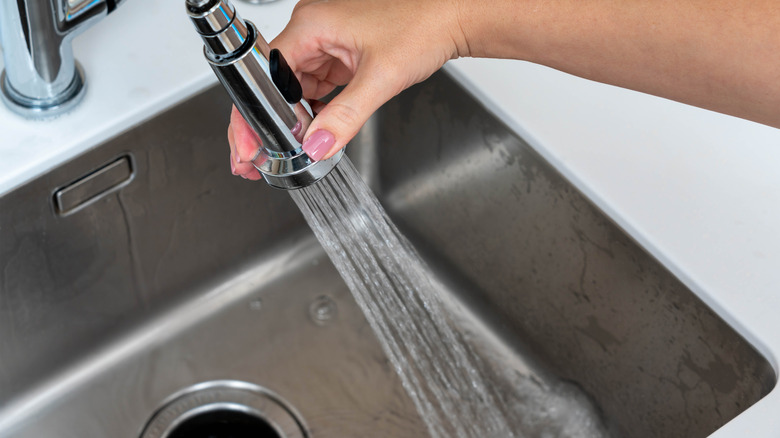
Your kitchen is one of the biggest germ hot spots within your home, and your sink can be the home for the majority of those microbes. As a result, one of the top places in your home to disinfect that you may not have thought of is the kitchen sink — yes, even though it is constantly exposed to hot water and dish or hand soap. If it's safe for your kitchen sink's material, a diluted bleach solution can be the go-to choice for eliminating most of the microbes making themselves at home in your sink.
Computers
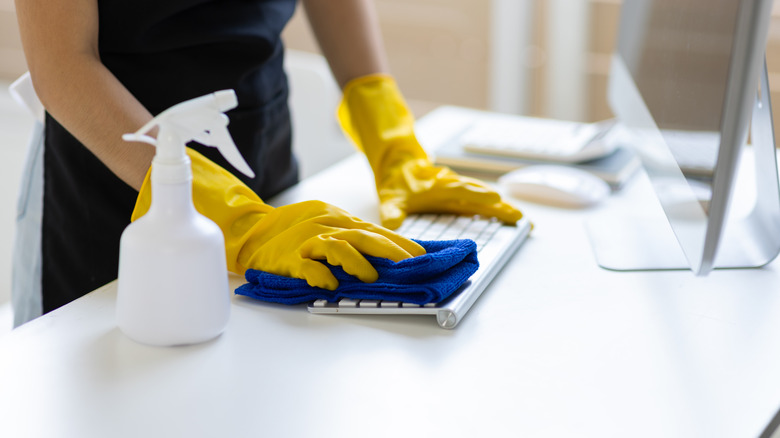
Computers can deal with a variety of hands-on interactions each day. From working to playing video games, your keyboards, mouse, and other features can develop large populations of microbes. It's important to find a cleaning process that protects your technology while ensuring it's germ-free. Disinfecting wipes can be helpful, but they can wear down the protective coating on any screens. On the bright side, when used carefully, wipes designed specifically with electronics in mind can also pull double duty and clean your phone.
Ceiling fans
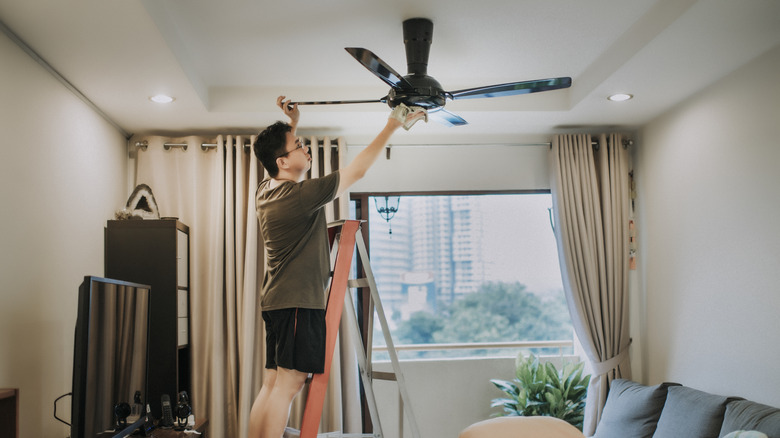
When it comes to areas around your home that may be hiding a variety of microbes, your ceiling fan is likely one of the easiest spots to overlook. However, without the proper TLC, your ceiling fan can easily build up (and thus spread) a variety of microbes around your home. Due to its location, for ease of access purposes, it may be best to use a disinfecting wipe to disinfect the blades of your ceiling fan after you've removed any lingering dust or grime. Just double-check that the wipe is safe for your fan's surface.
Mailbox
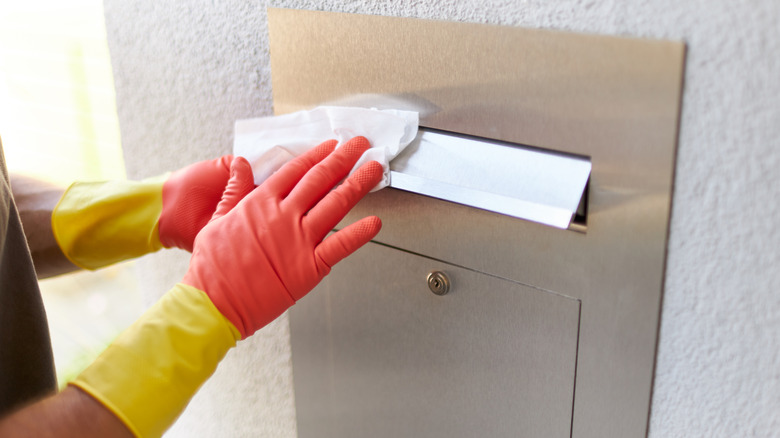
Your mail passes through a variety of hands before it finally reaches you, which means that it's easy for germs to tag along for the ride and end up in your mailbox. Not to mention, if your mailbox is outdoors, it's constantly exposed to the elements, including any curious critters who may stop by. Fortunately, disinfecting your mailbox doesn't have to be tedious. Instead, you can use a safe disinfectant to clean both the inside and outside of your mailbox, following the manufacturer's instructions. For extra germ reduction, you may even consider disinfecting your mail after you collect it.
Doormat
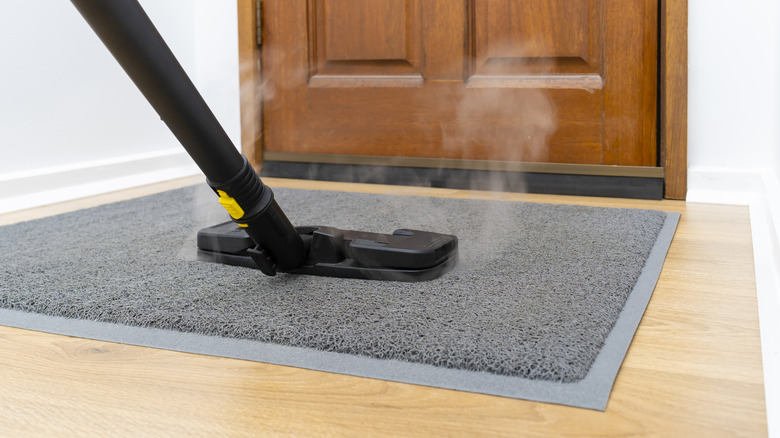
While walking inside from checking and cleaning your mail, don't forget about your doormat. Your doormat is a catch-all for everything you walk over that day, from high-traffic streets to muddy backyards. As a result, it may come as no surprise that germs love to fester here. Vacuuming your doormat can help keep it clean, but to kill the germs there, you may need a few extra steps. This can include steam cleaning, where the heat can be used to sanitize.
Remote controls
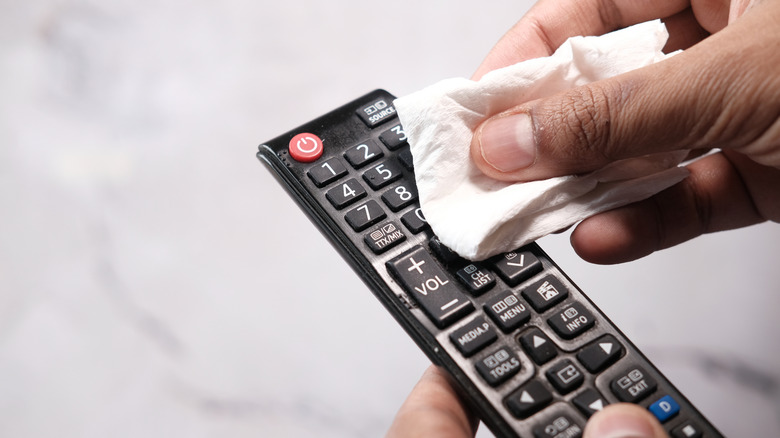
If you like your home filled with technology, you may find yourself faced with an array of remotes, whether for your televisions or your ceiling fans. When you or guests interact with these surfaces, you risk spreading microbes back and forth, which is why disinfecting is important. However, it's also essential to keep in mind that, like other technology pieces, the disinfectant you choose will need to be safe for electronics. One tip is to remove any batteries before cleaning. To keep germs to a minimum, try sanitizing your remote controls regularly, especially if someone's been sick recently.
Video game controllers
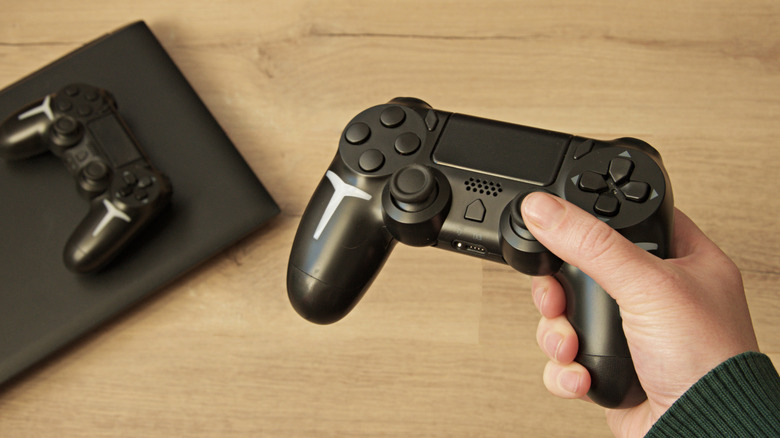
Consoles themselves may get some interaction throughout the day, but controllers are another major germ hot spot. Small tools like cotton swabs or toothpicks can be helpful for getting hard-to-reach grime that may develop around the buttons or seams of your controller. However, when it comes to tackling the germs themselves, you may wish to opt for an electronics-safe alcohol wipe to clean the surface of your controller. Make sure to avoid any electrical components, such as the battery, when doing so.
Doorknobs
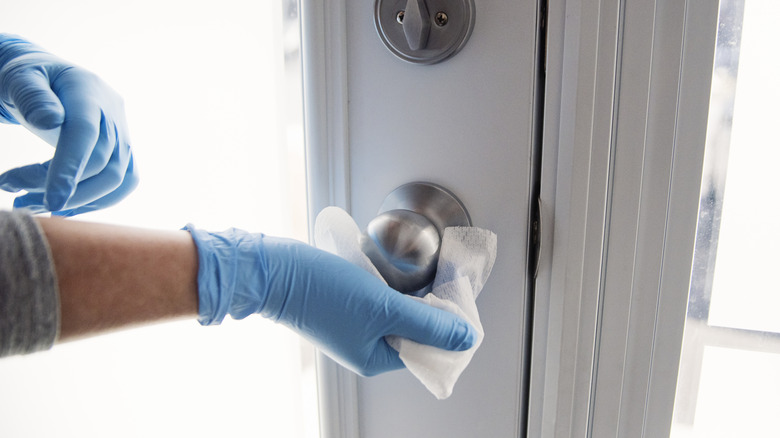
Outside, bathrooms, laundry areas, and shared spaces — doorknobs lead to a variety of rooms and places around your home, some with more germs than others. As a result, those seemingly inconspicuous doorknobs that may go overlooked can often sport a hefty population of microbes that can pass onto your hands when touched. The best way to disinfect your doorknobs can vary based on the material, as you want to choose a gentle and safe option, but in many cases, disinfecting wipes can get the job done. You may also be able to use a diluted vinegar solution.
Furniture
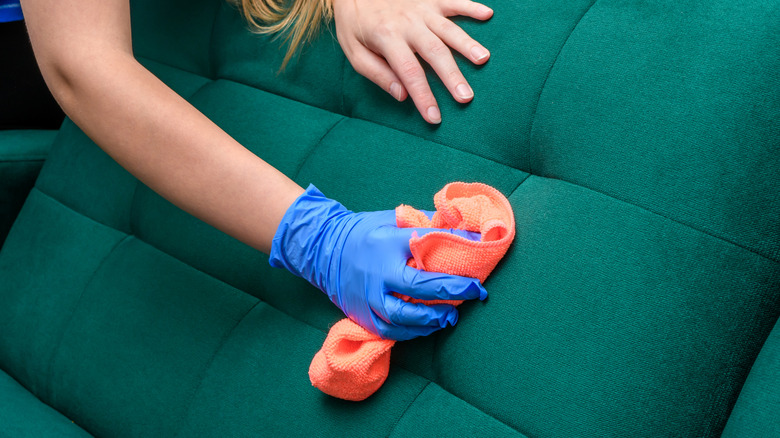
If you're an avid host, it may be important to squeeze sanitizing or disinfecting your furniture into your regular routine. This includes areas like dining tables, coffee or side tables, and couches. Since each of these areas is vastly different, you may not be able to use a single cleaner for each spot, and you'll also need to pay attention to the material to choose a safe method. One option is a diluted alcohol spray made from one part water and two parts rubbing alcohol, which can be applied to surfaces to kill germs.
Towels
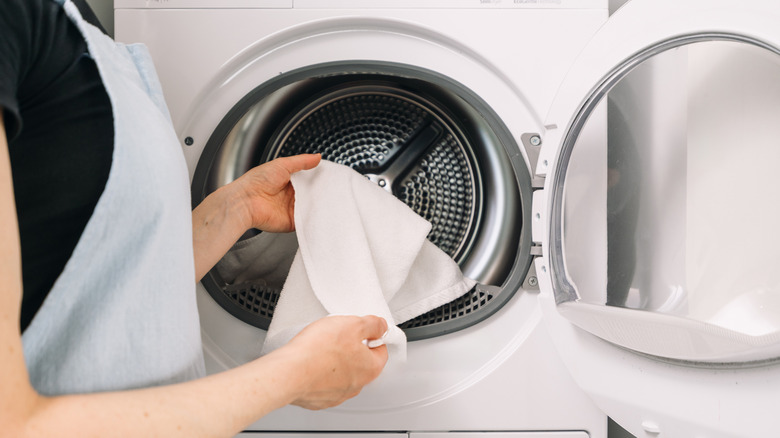
While disinfecting soft fabrics like towels can be a different process than keeping other surfaces around your home low on germs, a sanitizing wash occasionally can be helpful. This is especially true after a sickness has run its course in your home. Fortunately, sanitizing hand and bath towels doesn't have to be a complex process. Your washer may even have a setting specifically for this purpose. Just make sure to use a sanitizer or disinfectant that's safe for your materials.
Bedding
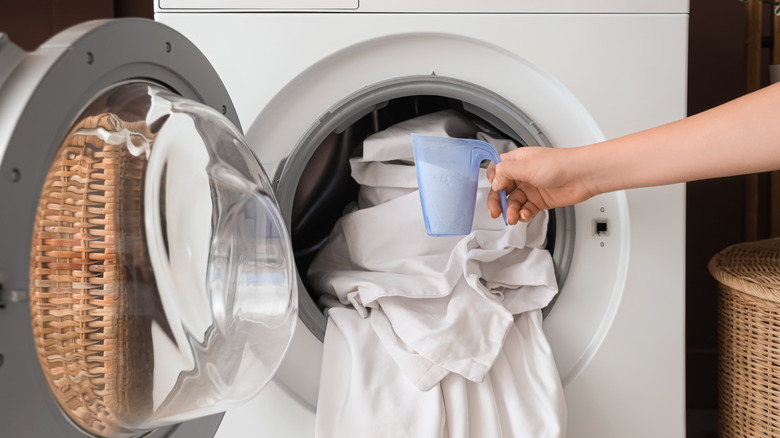
Blankets, sheets, duvets, and pillow cases — a lot goes into making sure your bedding is as comfortable as possible, and one way to ensure that things stay cozy is to disinfect your bedding. Soft fabrics used in your bed can easily become a breeding ground for germs, especially if someone sick has come into contact with them. To disinfect your bedding and reduce the number of microbes, you can pick out the right detergents for the job while also using hot water in the wash if your specific material permits.
Mattress
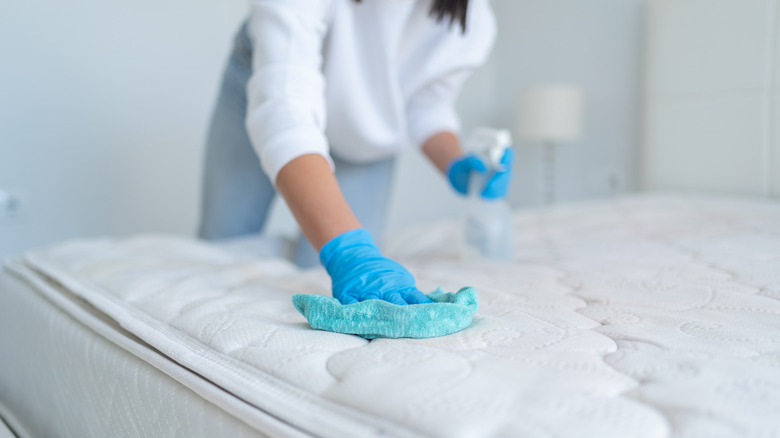
Chances are that, if you're getting your full eight hours each night, your bed is the most used piece of furniture in your home. As a result, when it comes to disinfecting overlooked areas, your mattress can often use a little TLC. The first step is to thoroughly clean your bed, which also includes removing any mattress stains. After that, use a mixture of equal parts vinegar and water to mist the mattress or disinfect it with a steam cleaner to target any unwelcome microbes. Aim to deep clean your mattress around twice a year for the best results.
Light switches
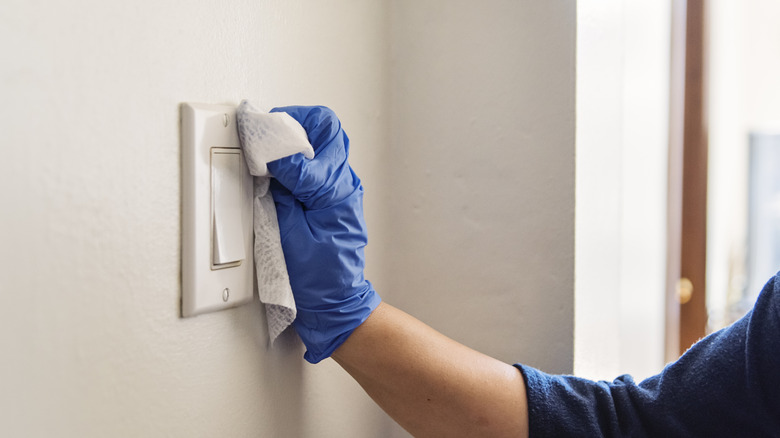
Have you ever considered just how often you touch the light switches around your home? Chances are, you aren't washing your hands before every touch, either. Light switches can be a prime spot for microbes to fester, especially in rooms like your bathroom or kitchen. As a result, you may want to consider adding disinfecting the light switches to your regular chore routine. For some light switches, depending on the plating material and other features, it may be safe to use bleach to disinfect the area after cleaning to remove any stubborn grime.
Countertops
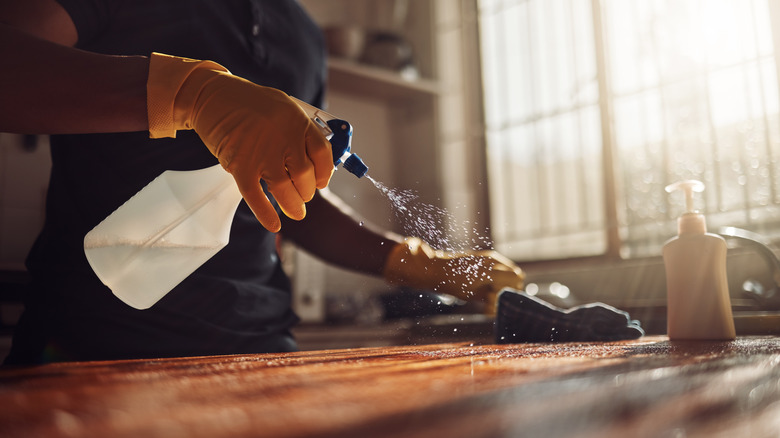
Countertops are another area to disinfect regularly. Disinfecting your countertops can be a part of your routine cleaning, but it can also be done for sanitary purposes after handling ingredients like raw eggs or meat. Disinfect the countertops in the rest of your home as well, such as those in the bathroom. Depending on how often you're interacting with these surfaces, you may wish to disinfect them daily compared to other low-traffic spots. Disinfecting counters can be a key step in learning how to best clean your kitchen.
Pet supplies
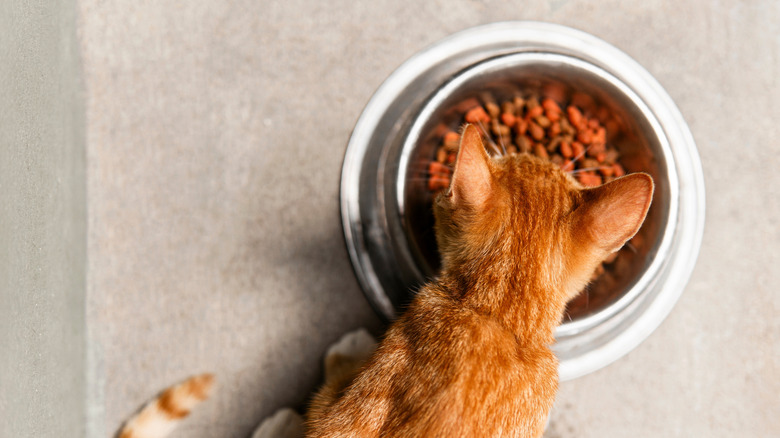
Just like your own dishes or bedding, pets frequently need their supplies cleaned and disinfected. Food and water dishes need to be cleaned at least once a day, while toys and bedding may better fit into a weekly or monthly routine. However, when it comes to disinfecting, you may want to work on a case-by-case basis. This includes after sickness or more often, depending on the type of pet. One cleaning tip pet owners should live by is to choose a disinfectant that's pet-safe, especially when it comes to food and water dishes.
Trash cans
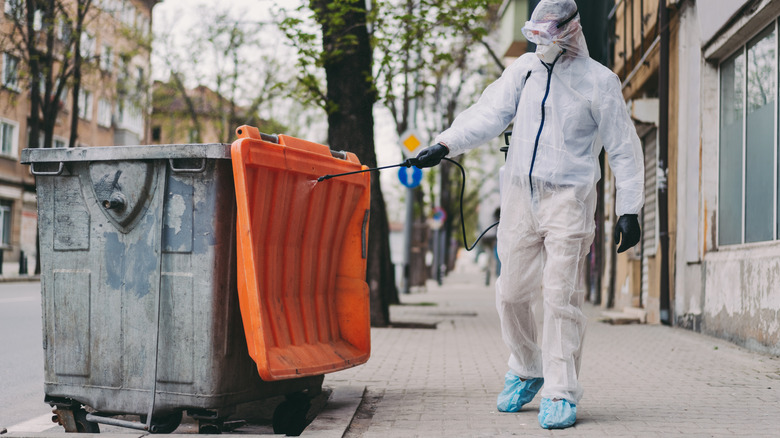
With their sole purpose being to store trash, it may not seem like your garbage cans need to be cleaned and disinfected. However, a little extra TLC can go a long way when it comes to reducing the spread of germs and even odors. This is especially true if your trash can is no stranger to blood, raw meat, eggs, or similar germs. Disinfectant wipes can be a great way to quickly wipe down your trash can's interior and exterior, while a spray can reach any nooks and crannies.
Stair railings
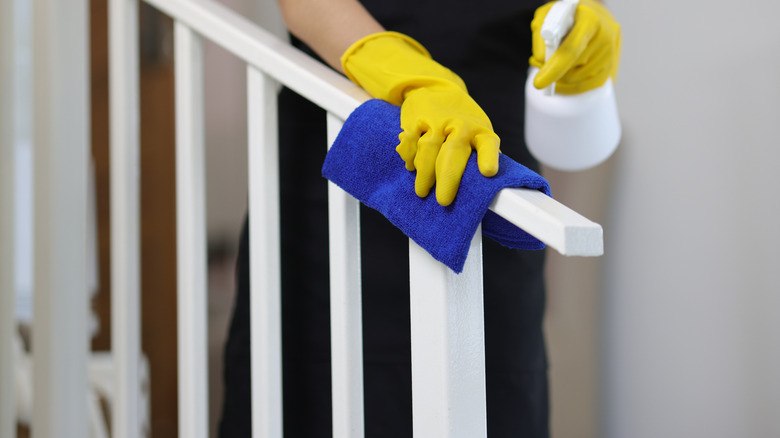
Imagine just how many germs can live on your hand. Then, think about how many hands may come into contact with your stair railings. While cleaning your stair railing may be enough to remove dirt, handprints, or smudges, squeezing in time to disinfect occasionally can help remove those thriving populations of germs. Choose a disinfectant that works best with your railing material. Wood rails may benefit from different care than metal or other materials.
Shower curtains and liners
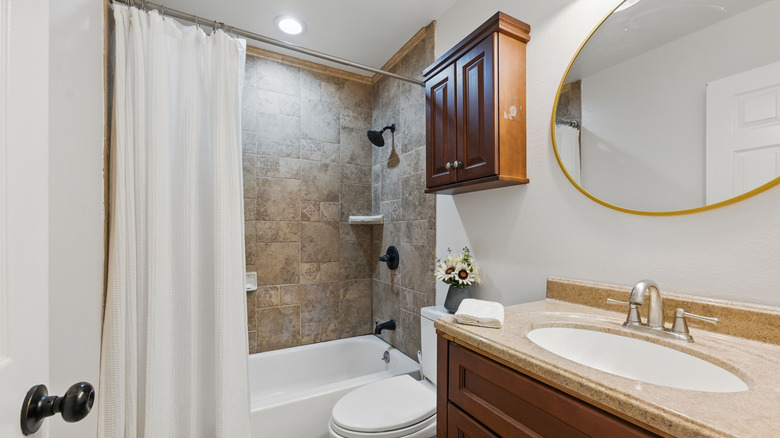
Every time you shower, there's a good chance that your curtain (or liner, depending on your current setup) comes into contact with the water. As a result, it can be prime real estate for microbes, especially any mold or mildew. Implementing a regular cleaning routine that includes a step for disinfecting can help cut down on your need to buy a replacement shower curtain and liner. A bleach cycle can be useful when safe to do so. You may also be able to use vinegar on fabric or plastic to disinfect.
Washing machine
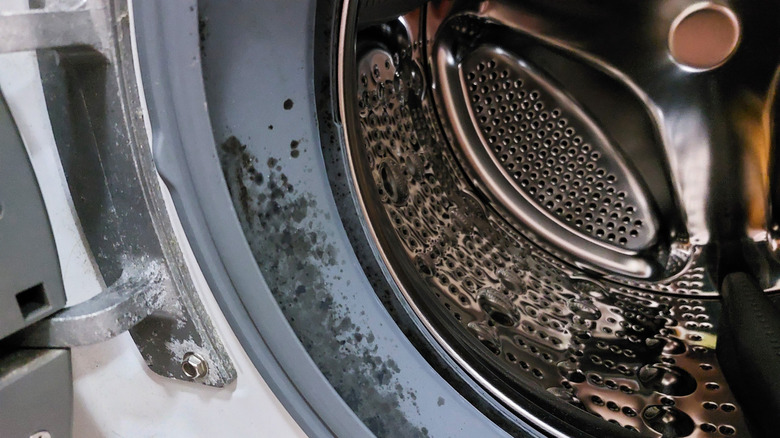
Because your washing machine is regularly exposed to water and detergents for keeping your clothes clean, it may seem like it doesn't need a separate routine. However, just like with shower curtains, consistent exposure to water can lead to microbes, which is why disinfecting is important. You should disinfect or sanitize your washing machine at least every three months or after washing any materials that have come into contact with illness. Fortunately, this process is simple, with both store-bought and DIY solutions such as pine oil available. Just make sure to follow the proper steps for your make and model.
Phone chargers

While you may have already thought about disinfecting your phone, what about its charger? For those who spend the bulk of their time on the go, your charger may be a common accessory kept in your pocket or tucked into a bag or purse. Just like other items that you take with you each day, using your phone in shared spaces, or even just touching it throughout the day, can contribute to the amount of germs on the surface. As a result, taking the time to disinfect this commonly overlooked item can help reduce the spread of microbes.
Appliance handles
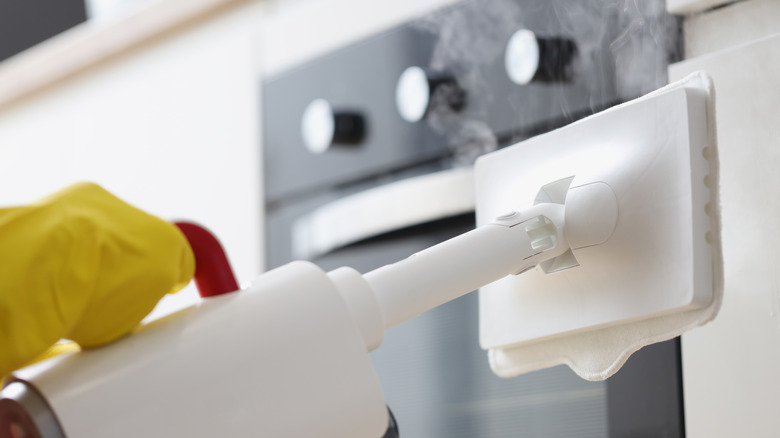
Have you ever thought about just how often you touch the handle of your oven? What about your fridge or microwave? During a quick wipe down of your kitchen each day, those handles may go overlooked, and, in the same ways germs can fester on your countertops or light switches, they can also accumulate here. As a result, you may want to consider disinfecting your appliance handles as a part of your regular kitchen cleaning routine. While you'll need to double-check what's safe for your specific appliance, diluted vinegar or disinfecting wipes can often be used here.
Toothbrushes
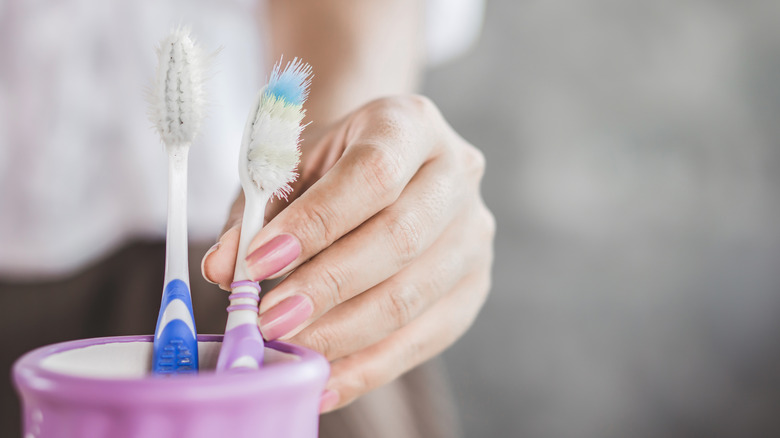
When you're regularly replacing your toothbrush, disinfection may not be needed. However, if you want to target germs between new toothbrushes, the process is as easy as using your antibacterial mouthwash. All you need to do is soak your toothbrush in the mouthwash, then discard the mouthwash like normal. One important tip to keep in mind is to avoid soaks longer than 15 minutes, which could damage your toothbrush. You can also use warm water and thoroughly rinse your toothbrush after each use to keep bacteria-attracting debris from building up.
Toothbrush holder
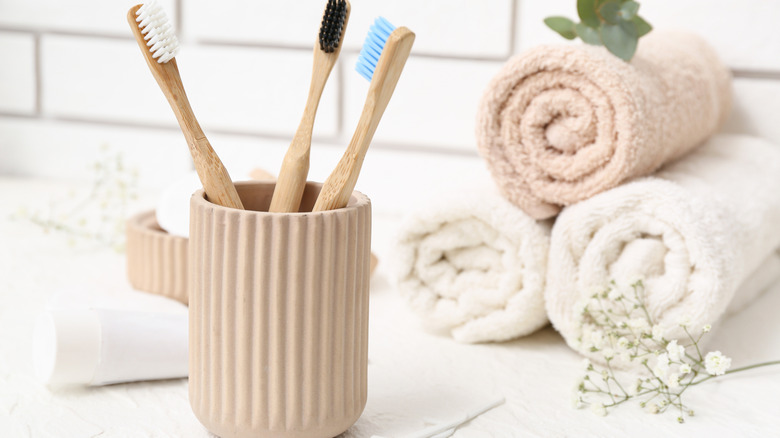
While it may not be necessary to disinfect your toothbrush, you'll definitely want to clean your toothbrush holder. Since toothbrush holders are often shared in households, as well as regularly wet, they can be a prime spot for bacteria to grow and fester. As a result, while often overlooked, disinfecting your toothbrush holder can be a great way to keep your bathroom (and toothbrushes) clean. You can clean your toothbrush holder around once a week using a dedicated disinfectant or diluted vinegar, so long as it won't damage the material.
Laundry baskets
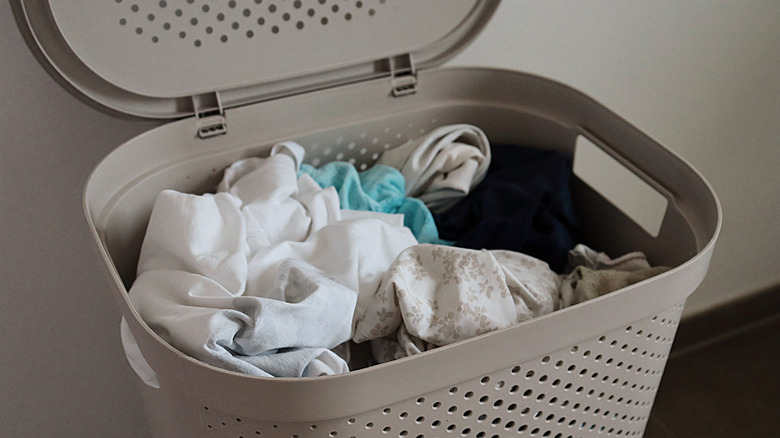
When it comes to sanitizing or disinfecting your laundry items, it's important not to overlook the laundry basket as well. Just like your towels or beddings, reducing the amount of microbes in your laundry basket can contribute to a cleaner home. However, laundry baskets can come in a variety of styles, each with different materials, so the cleaning process can look different depending on your specific hamper.
Cleaning supplies

After a long day of cleaning and disinfecting the various overlooked areas and items around your home, there's one last spot that you may not have thought to clean: your cleaning supplies. In many cases, you may end up using rags or clothes to sanitize or disinfect around your home, especially when it comes to certain cleaning solutions. If you're using soft fabrics, these can often be disinfected similarly to towels. While cleaning your cleaning supplies may seem silly, it can help prevent the spread of germs from one area of your home to another.