

The Kitchen Scrap That Should Never Go Down The Garbage Disposal Drain
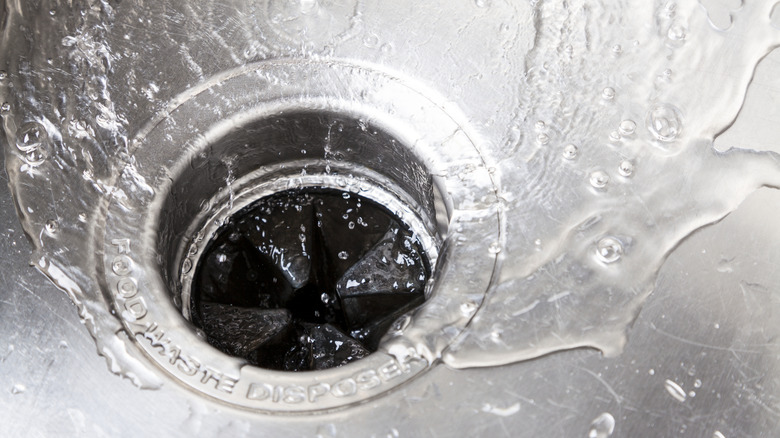
Shoving a handful of kale stems or celery down the sink might feel like a quick way to clean up after making a meal, but these fibrous scraps are notorious for wrecking kitchen plumbing. While many people assume that a garbage disposal is powerful enough to pulverize any type of food, stringy vegetables are definitely items you should never put in your garbage disposal because they can do some serious harm. Produce like celery, rhubarb, and even large amounts of parsley are packed with long fibers that can clog sink pipes. These fibers are flexible and strong, acting more like heavy-duty twine than soft food once they hit the disposal chamber. Instead of getting chopped into tiny bits that wash away, the strings tend to catch on the spinning disposal blades.
Once a few strands snag, they quickly start to wrap around the central motor shaft and the grinding ring. This creates a tight, braided knot that causes friction and eventually prevents the motor from turning at all. You might hear a loud humming sound followed by the unit shutting off as the internal breaker trips to prevent the motor from burning out. Even if the blades keep spinning, the matted fibers trap other food particles, leading to a foul-smelling sludge that prevents water from going down the drain.
Why corn husks and other stringy vegetables block drains
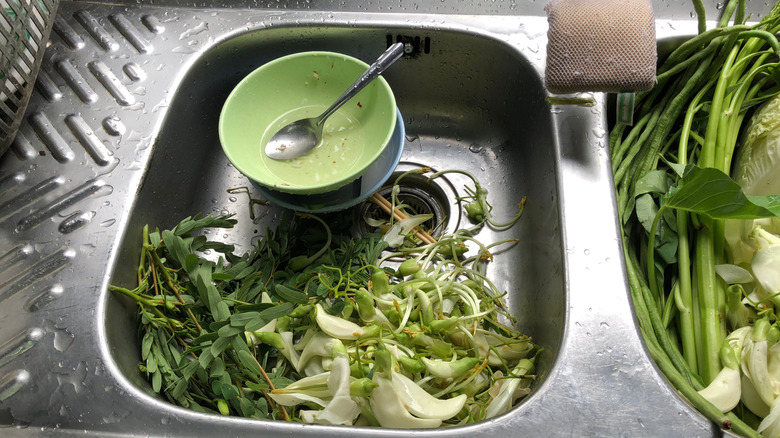
Prepping fresh corn on the cob or peeling a bunch of asparagus can leave behind a pile of waste that should stay far away from your kitchen sink. These materials are thin and flexible enough to go through the gaps in the grinding ring without getting sliced up. Once the husks or tough asparagus ends reach the pipes below the disposal, they tend to fold over and lodge themselves in the P-trap or the narrow bends of the drainage pipes. Pumpkin guts and leeks are other fibrous veggies that do the same thing, since their long strands act like a web once they get wet. This web catches grease, soap scum, and small food bits that would normally flow right through the system.
The organic matter that's trapped is often the real reason your garbage disposal smells bad. Over time, this buildup forms a congealed mass that is just about impossible to dislodge with a plunger. Chemical drain openers are rarely effective against fibrous veggie clogs because the fibers don't dissolve easily in liquid. This often leaves homeowners with a backed-up sink and a messy repair job that involves taking apart the pipes to manually pull out the glob of vegetable scraps that are stuck in the plumbing.
How to properly dispose of tough vegetable waste
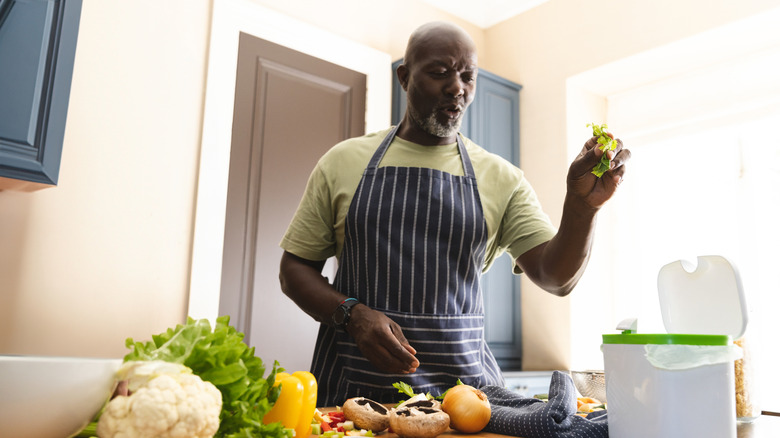
Having a routine for getting rid of kitchen waste can save you from the headache of a flooded kitchen and an expensive plumbing bill. The best approach is to treat your garbage disposal as a tool for cleaning up tiny crumbs, rather than as a primary trash can. For tougher items like artichoke leaves, bok choy stalks, and onion skins, the compost pile or the trash bin is the only safe spot to get rid of them. These produce items contain high levels of cellulose that a garbage disposal can't break down effectively.
Following some tips for keeping your garbage disposal running smoothly can prevent major clogs. If you suspect some stringy material has accidentally gone down the drain, you should immediately run cold water. Cold water is a better choice than hot because it keeps any lingering fats or oils solid. This allows the blades of the disposal to separate them into pieces rather than letting them melt and coat the fibers to create a sticky mess. You can occasionally toss in a few ice cubes to help knock loose any small bits of sinewy residue that have started to cling to the internal parts of the disposal. Keeping your plumbing clear requires being mindful of every scrap you drop into the sink and using the trash can or compost bin for anything with a thread-like texture.