

12 Tips To Add Value To Your Home In 2026

Adding value to your home in 2026 involves moving away from trendy fads and focusing on enduring quality and craftsmanship. You should also show potential buyers that your home is well-maintained, energy efficient, comfortable, and intentionally put together. More than ever, buyers now pay attention to the day-to-day functionality and practicality of a property, including running costs, the level of maintenance required, and whether or not they can see themselves there long-term.
To find out what really moves the needle on home value in 2026, House Digest spoke with real estate professionals who've got their fingers on the pulse of what sells and why. These pros shared where smart homeowners should focus their time, money, and attention to boost home value in 2026. In these exclusive interviews, all the pros agreed that for 2026, projects that improve function, energy performance, privacy, and outdoor living give you the best mix of daily comfort and the biggest value increase versus luxury and vanity upgrades.
Improve functionality, not just aesthetics
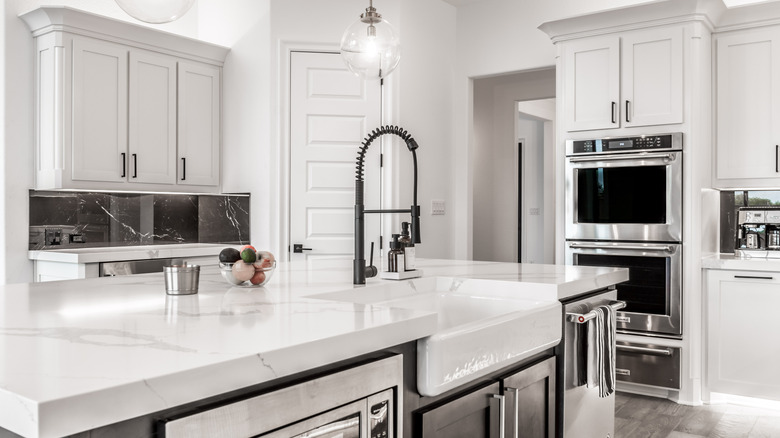
Today's buyers are interested in overall functionality, practicality, and flow. They care less about cosmetic finishes and more about how rooms connect and how they'll actually live in the space. This is particularly true for living rooms, kitchens, great rooms, and primary suites. Talking exclusively with House Digest, Ryan Fitzgerald, a real estate expert and owner of Raleigh Realty in North Carolina, says "homeowners can increase the perceived value of their properties by making them "live better.". He goes on to explain that "a few design changes to flowing areas or improving areas where space is limited or problematic may result in making a home feel completely different without necessarily adding any square footage to it."
A minor kitchen remodel can actually bring better ROI than a major remodel. Minor remodels that lift a tired kitchen into a modern, functional space can recoup up to 113% in resale value. This kind of remodel solves problems like removing an ugly, blocky old island that ruins the flow and movement of the space, new cupboard fronts, adding clean, long-lasting countertops, or turning an awkward alcove or nook into a walk-in pantry. A mid-range bathroom remodel, which improves layout, design, and functionality, can bring 80% ROI, and a universal access, or future-proof, bathroom remodel can recoup around 63% of costs. The idea is to turn it into a lasting functional space where buyers can see that the layout already works, so they won't have to pay for future structural changes.
Prioritize energy efficiency and core systems
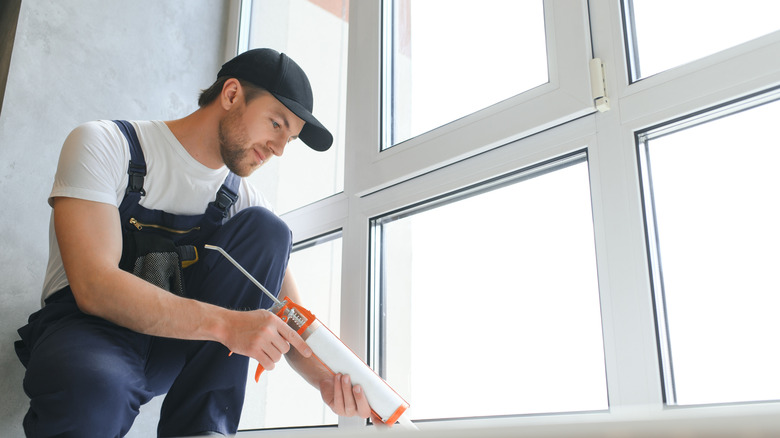
Because buyers worry about ownership, day-to-day, and future repair costs, a home with updated, super-efficient energy and core systems is far more attractive than one needing a significant overhaul. These behind-the-scenes upgrades include updating ailing HVAC systems, replacing drafty, rotting windows, doors, and frames, and ensuring the electrical system is efficient and in good health. Replacing old appliances for energy-efficient ones is another simple way to boost overall perceived value that decreases buyer fears of extra expense risk. Fitzgerald says that it's "easier for a seller to transfer risk when it is obvious that the property has been cared for" and that "a buyer will always be willing to pay a higher price for something that looks sound."
The U.S. Department of Energy estimates that up to 30% of residential heating and cooling costs can be wasted through inefficient windows and frames. So it makes sense that replacing them with energy-efficient ones can significantly reduce bills, boost buyer appeal, and visually enhance curb appeal. Anything you can do to reduce energy costs is a strong selling point as energy prices continue to climb, and everyone is concerned with the overall cost of living. To that end, it may be worth looking at upgrading or improving air sealing and insulation, which can further cut heating and cooling costs by up to 20%.
Improve outdoor usability and curb appeal
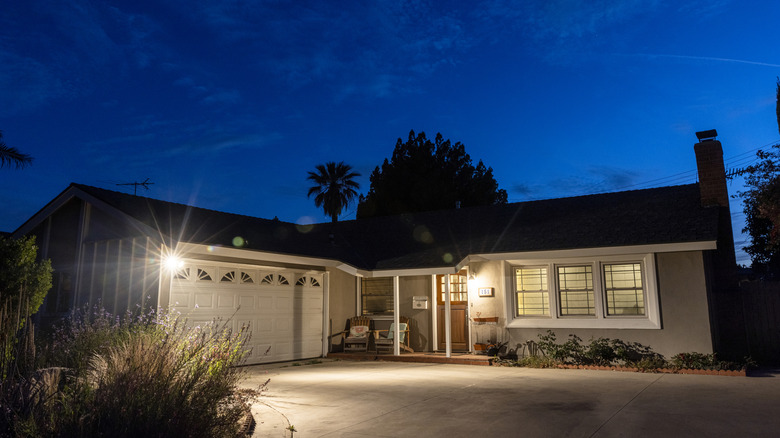
The first impression of your property from the street has a huge impact on perceived value. Even if the interior is stellar, if the exterior is worn, neglected, or otherwise unappealing, the buyer is already primed to consider a home less valuable before they ever look inside. And the feeling will stick with them, however good the interior is. There's a good reason that the old adage "first impressions count" is so cliche. Because it's true. Fitzgerald notes, "First impressions are still the foundation for pricing, and that begins even before the buyers step into the entrance."
You want buyers to feel positive before they actually get inside. Fitzgerald explains, "Easy, low-cost improvements to the curb can go a long way." He points to simple, budget-friendly outdoor upgrades, like refreshing the planting, putting up a new house number plaque, adding exterior lighting, and making sure the main entrance is clean, fresh, and modern. Basic lawn care and general outdoor maintenance can easily give you a huge return when you put your property on the market. Lawn care, for example, has an ROI of over 200%. A tidy lawn and gently landscaped yard makes listing photos far more attractive. One big improvement is adding a new garage door if yours is worn or very dated. While comparatively costly at around $4,500, the investment brings an ROI of 194%. So if there's room in your budget, this could be a good place to spend.
Maximize privacy where it matters
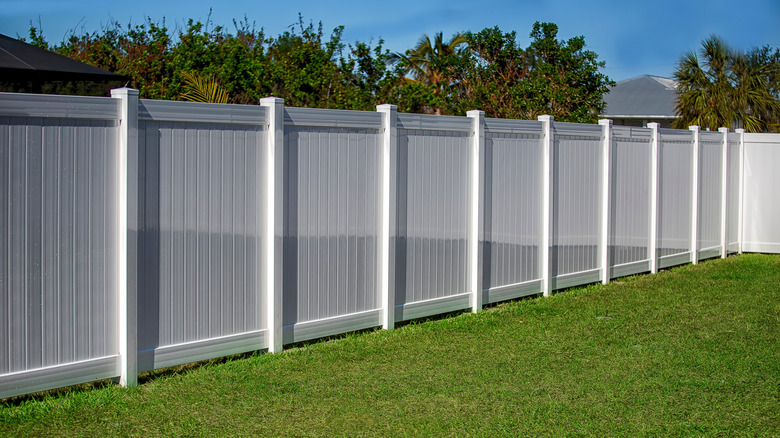
Most buyers value privacy. So, however charming and picture-perfect your home is, if it's exposed, it's less likely to command top dollar. Some things, like street noise and close neighbors, you can't control. But you can minimize them. And, of course, you can control wide-open sightlines into living areas or garden spaces. All of these issues, if not addressed, can make buyers hesitate. Robert Aumann, a record-setting luxury real estate advisor and founding partner of Luxury SoCal Realty, told House Digest, "In the world of luxury real estate, privacy is priceless." He goes on to explain that, in his market, renovations that add "gated access, strategic landscaping, and even soundproofing" make a big impact on buyers and the value of a property.
Obviously, for most people, gated access and high-end luxury privacy features are out of reach. You can still boost your home's value by focusing on privacy where it matters. For example, taller, robust privacy fencing or fencing with a trellis and climbing plants to soften the look can provide shade, privacy, and greenery, even in smaller urban spaces. Larger properties can make use of fast-growing trees and shrubs for privacy. A strategically placed hedge can block sightlines and noise from a busy street, for example. To curb noise internally, you can add acoustic upgrades in bedrooms that face a road. Layered window treatments also help by blocking sightlines while still letting in natural light and protecting your view outside. Aumann says that buyers are "usually more interested in what makes a property unique", instead of its raw square footage. For example, a surprisingly green, very private yard in a dense urban setting or a living room where you can't see any neighboring windows gets an immediate privacy, uniqueness, and value boost.
Invest in bespoke craftsmanship and details
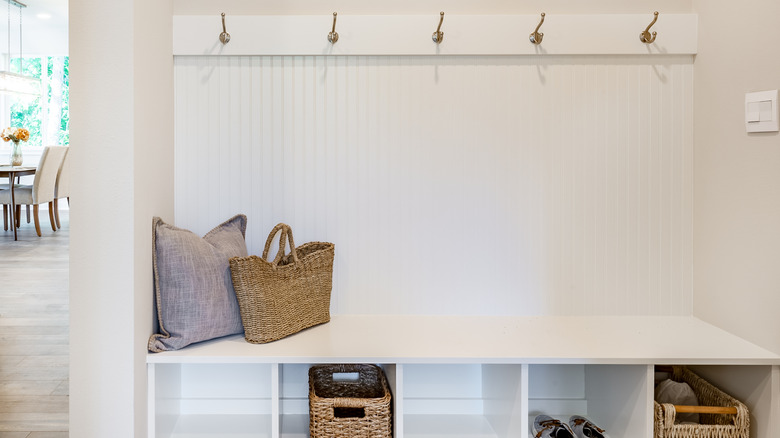
Whatever their budget, buyers are shopping for something special where they can see themselves making memories. Generic details and finishes make a property look just like any other in a similar neighborhood, so naturally, it'll command a similar price tag, assuming all else is equal. Aumann notes that "it's that sense of exclusivity that often appeals to high-end buyers," who "want to feel like they own something truly unique, that's one-of-a-kind".
Custom stonework, hand-built cabinetry, reclaimed or antique handles and finishes, artisan tile, and similar special details provide this. You don't have to revamp the entire house and do a full remodel of the kitchen or bathroom. But a few upgrades, which can be fairly budget-friendly, can help to make the house look extra special and unique, which lets you justify a higher price than the generic homes. You may not be able to afford custom cabinetry or brand new stone countertops, but you can do cheaper upgrades, like redesigning the entryway to make it more practical and inviting by improving lighting, adding hooks, a built-in shoe rack, bench storage, and a fresh lick of paint. When buyers compare these extra features to generic homes, they can clearly see the value you've added.
Incorporate technology that actually improves everyday life

Tech for the sake of tech isn't a good use of your money, but technology that actually benefits your daily life is. Smart technology is no longer a novelty, and buyers increasingly expect at least a basic level of modernity, whether that's smart lighting or a learning thermostat. Aumann says that "all the new smart home tools available provide homeowners with a really great opportunity to add value," as long as all the systems are "seamlessly integrated and intuitively operated." Whatever smart technology you choose to incorporate, it has to add practical value in terms of energy efficiency, convenience, and everyday living.
You've got many options for improving your home and its value with technology. Smart locks, cameras, video doorbells, and app-controlled security systems are a good place to start, as they promise enhanced safety. Reliable whole-home Wi-Fi is a must, especially if you're incorporating features like thermostats and lighting controls and creating a full smart home. Aumann notes that you can "automate seasonal lighting cues, monitor security systems while you're away, and even turn your phone into a universal remote for all your home entertainment." Monetary value and environmental impact are big selling points for buyers. A smart thermostat, for example, typically saves around 8% on heating and cooling costs and reduces your home's carbon footprint.
Create a seamless indoor-outdoor flow
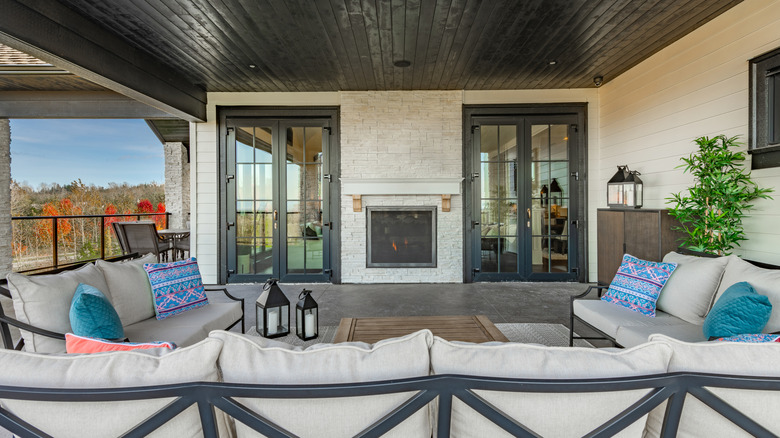
One trend that's continuing to drive higher home prices in 2026 is a good indoor-outdoor flow. This is particularly important in climates where people can spend much of the year comfortably outdoors. Buyers are looking for homes where at least part of the outdoor space is an extension of the indoor living space, like an extra room. "Consumers show a strong appreciation for homes that remove any boundaries that exist between indoors and outdoors," Marilyn Comiskey, a multi-award-winning San Diego real estate expert and team owner at The Cominskey Group, told House Digest in an exclusive interview. She says that grand openings, large sliding glass doors, and covered patios all help to make the outdoor space feel like an extension of the indoor area.
Even if you live in a colder or more humid location, you can still apply the same principles. Just perhaps on a smaller scale. Wherever you live, replacing a standard back door with a glass sliding door and using similar colors on the patio and interior floor can help make indoors and outdoors look more cohesive. Adding a roof or pergola over a seating area and choosing outdoor furniture that at least somewhat matches indoor furniture takes the indoor-outdoor flow another step further. Cominskey notes that buyers are "willing to pay top dollar" when the connection between indoor and outdoor areas "does not feel like an afterthought." For example, when prospective buyers step from the living room to the deck without a visual jolt, they can envisage hosting friends inside and out, without everyone being squeezed into a single room. This boosts perceived value, as it helps buyers feel like they're getting extra square footage.
Introduce flexible spaces for multi-generational and changing needs
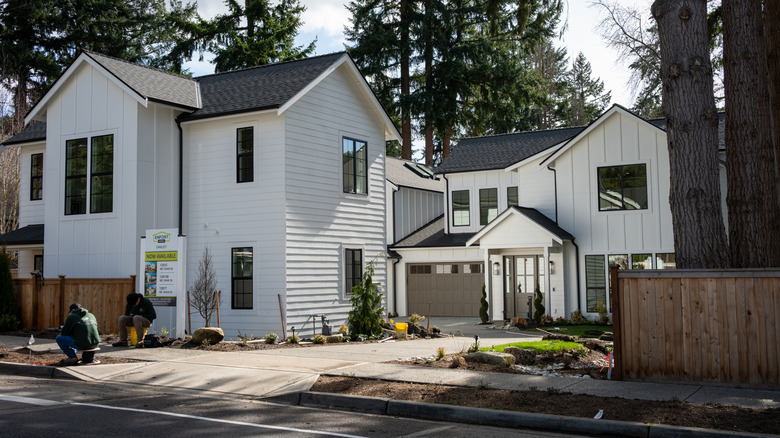
Future flexibility is becoming increasingly important, as buyers think about ageing in place, grown children moving back home, or caring for ageing parents. Multi-generational living is commonplace, so a flexible living space is a must. "One of the important value-adding factors ... is flexibility," Cominskey explains. In her market, homes with features like guest suites with separate entrances, garage conversions done to code and to a high comfort and efficiency standard, finished basements, and well-designed accessory dwelling units (ADUs) stand out because they can serve as extended family space now and as potential rental income later. The adaptability and flexibility justify a premium valuation.
Properties with ADUs that are up to code or that have similar secondary units tend to sell for up to 35 percent more than comparable homes without them. Cominskey notes that homes "flexible in this manner tend to be desirable since they accommodate different lifestyles without needing future renovations." Obviously, not everybody has the budget or the space to build a full-blown ADU or a full-scale renovation to turn their garage into a self-contained living space. But you may be able to finish or mostly finish a basement, even if it just has the rough-ins for a bath and kitchenette, with partitions for bathroom, bedroom, kitchenette, and seating areas in place.
Invest in overall property resilience and energy performance
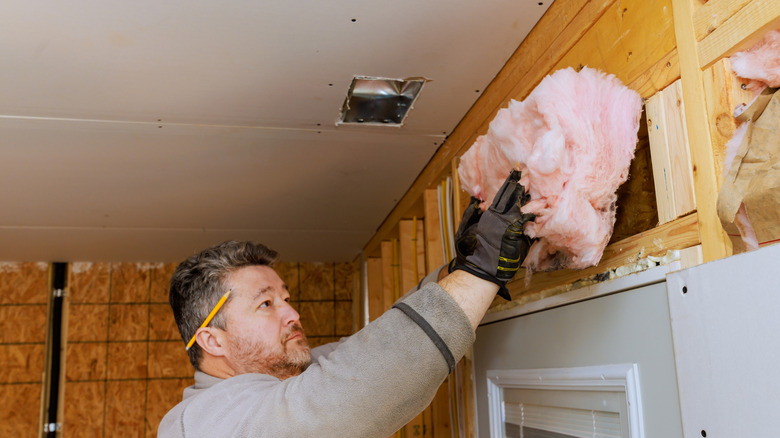
With the increasing frequency of extreme weather, homeowners are becoming more aware of the impact of climate change on insurance costs and energy performance. Buyers pay closer attention to how a house performs under stress and how energy efficient it is. Cominskey says her Southern California clients "care about how their new property will perform with regard to dealing with the heat, energy, and environmental factors," and that upgrades like high-performance windows, improved insulation, efficient cooling, and thoughtfully planted shade trees "will go further in terms of performance and savings than any cosmetic update." And it's not just in Southern California. Wherever you live, a home that stays comfortable without huge utility bills and one that can weather all local conditions is a safer and more future-proof option for potential buyers.
Upgrades that can boost value run the gamut from budget-friendly low-e film on windows to energy-efficient windows, new window and door frames, improving attic ventilation, high-efficiency heat pumps and HVAC systems, and shade and insulation. Tight air sealing, better insulation, and efficient windows can reduce heating and cooling costs by 25% or more. Cominskey explains that these features may not be the flashy part of the tour, but they clearly signal "savvy and forward-thinking" ownership, which is what many buyers in 2026 want to see.
Make the most of views and long sight lines
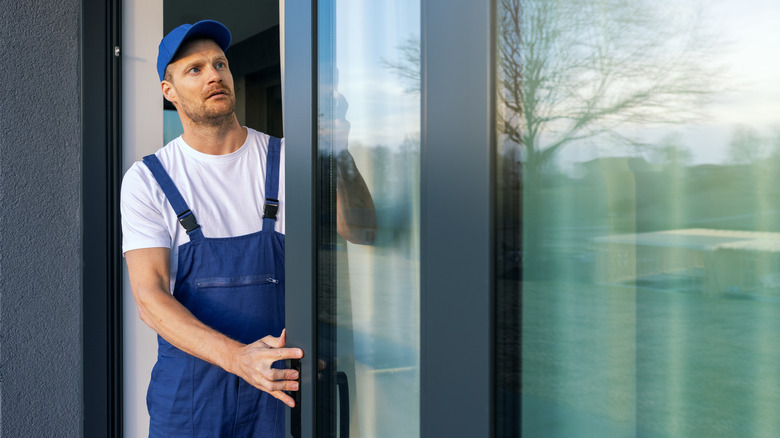
A strong, striking view is a valuable feature. While it could be a beautiful lakefront or a spectacular mountain view, the view could just be a particularly pretty backyard. Chris Murphy, founder of Waterfront Homes, LLC, in Washington, tells House Digest that for houses near lakes and coastlines, "the view often presents the most compelling feature," and sellers should "drive as much benefit as possible from it." He recommends arranging kitchens, living areas, and primary bedrooms, so they align with the best view wherever possible. Murphy also advises that you should install larger windows, like picture windows, and sliding glass doors to "allow sunlight to flood in".
The same principle works away from the shoreline. A glimpse of mountains, a dense copse of trees, or just a beautifully landscaped courtyard with a bird feeder or two can all work as impressive views if you frame them as focal points. Consider furniture placement, window treatments, and other things that can highlight or block the view. Murphy notes that buyers are "purchasing an experience along with the space". Trimming a few trees, widening a window, and replacing a solid door with glass can all lift your home's value with a relatively small budget.
Choose weather-resistant materials that look good longer
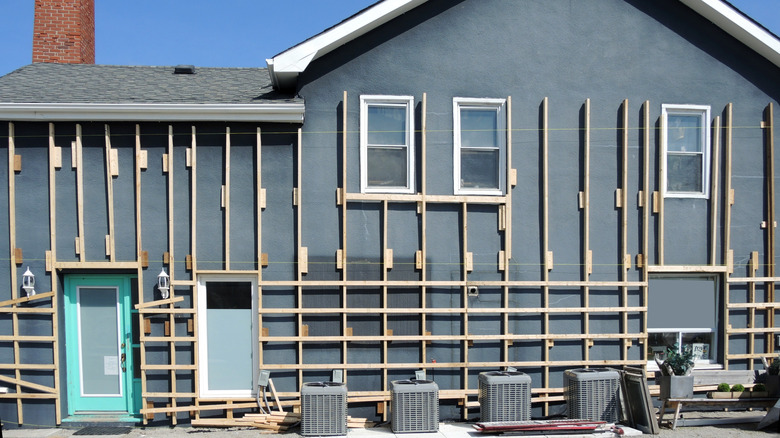
Cheap exterior materials age faster than high-end ones. Trim that's peeling, corroded railings, rust-stained fixtures, and rotting wood all tell prospective buyers that more work will be needed soon. Murphy warns that "It's not just about staying away from rusty furniture. Think about other things, like UV protection on windows, resistance to corrosion on hardware, and water-seal paint finishes."
Buyers want to know that they won't have to do a lot of maintenance right after moving in. They want a property that's obviously well-cared for, and they'll pay more for the convenience of not having to do extra work. Murphy says that, "When you see this attention to detail, it shows that the home is well-maintained and well-designed for its particular microclimate. Buyers will pay top dollar if they feel like the house will stand the test of time." Upgrading siding, sealing decking, and external masonry projects all tend to have a relatively high ROI of up to 80%, precisely because they boost curb appeal.
Protect and upgrade outdoor living space
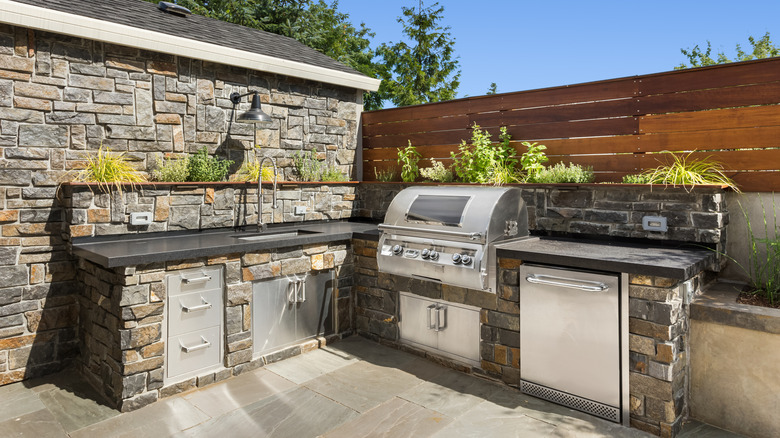
Outdoor living is becoming an increasingly popular trend. Neglected decks, rusty old grills, and improvised fire pits devalue a home. Murphy notes that for the homes that he sells, "the landscaping... is an equal partner in the house itself," and that renovations outside should focus on function as much as looks, saying, "For example, you might consider a covered patio or a patio with a kitchen where you can entertain friends. Another good idea could be a fire pit where you can enjoy the cool nights."
Covers patios, outdoor kitchens, and other "living space" features that make sense for your climate, all of which add value to your property. A full outdoor kitchen may be expensive, with an average cost of around $16,000, but the ROI is up to 100% of the price of the project. New, sturdy decks or repaired, surfaced older ones, clean, weed-free patios, and shaded seating facing a beauty spot all add value. As Murphy puts it, the most successful outdoor living projects "feel as if [they've] always been an extension of the property." And this is what makes buyers willing to pay more for the whole package.