

15 Things To Notice When Buying A House That Saves You So Much Money Down The Line

When you're falling in love with a potential home, it's easy to get swept up in the gorgeous crown molding, marble countertops, and bluestone patio. However, you should pay attention to the place's true condition, hiding beneath the beautiful staging. While you can update home interiors to your taste after moving in, dealing with structural issues is a whole different ball game. Faint stains on ceilings, cracks on foundation slabs, bulges in walls, damp in the basement, fogged-up windows, and discolored siding are small imperfections that can later snowball into repairs costing thousands of dollars. This holds especially true for old and historic homes, which may not be updated to the latest code. Stringent HOA rules will also limit the changes you can make later on.
Noticing these small details during a walk-through can help you steer clear of a problematic home before you make an offer and order a formal inspection. But if you're past that stage, accompany the inspector and clock all minor structural issues, along with the condition of major appliances, HVAC systems, and water heaters. Remember, in real estate, knowledge is both power and money — and in some cases you can use it to negotiate a lower price with the seller or have them fix the issues before closing. In others, spotting signs of really expensive issues could mean you, wisely, keep on with your property hunt. Here are 15 things you must not overlook to prevent buyer's remorse on your home purchase.
Brown stains on ceilings
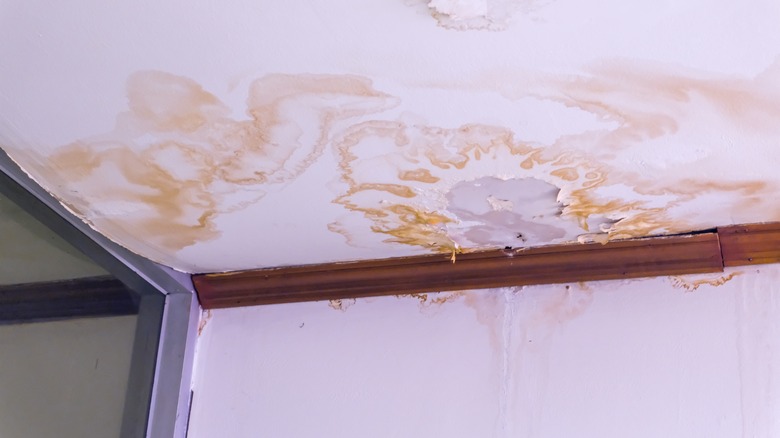
While you're busy soaking up the view in front of you, don't forget to look up — brown or dark stains on the ceiling can often indicate water damage. These may be the result of damaged pipes or plumbing fixtures that are leaking water, or roofing or insulation issues. Poorly functioning HVAC systems can also cause water condensation and leave stains on the fifth wall. Fixing these issues can cost upwards of $3000 in many cases.
Water seeping through beat-up roofs can also create yellow or brown stains on your ceiling. In colder areas, pay special attention to the corners where the walls and ceilings meet, as stains here can indicate damage from ice dams, which could require costly roof repairs or restoration of the insulation. Bats are another culprit for ceiling stains. Apart from guano (droppings), brown or black urine marks are common signs that bats are living in a house. Having them removed professionally and repairing the damage can cost you nearly $1,500.
Visible wide cracks in the foundation slab
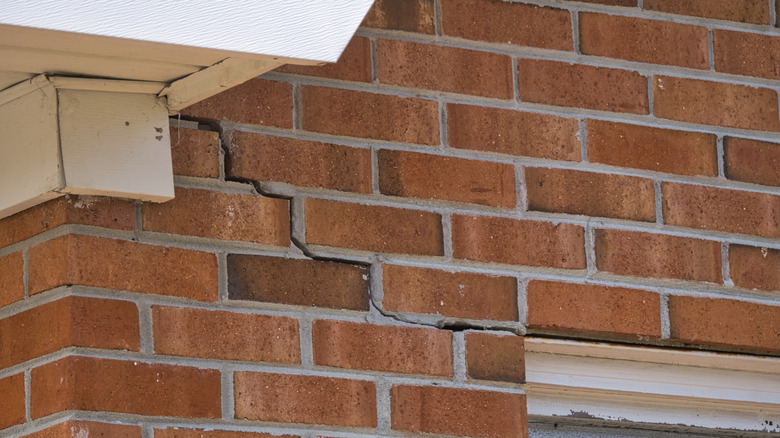
Whether new or lived in, all homes experience minor cracks once the foundation settles. However, big, visible cracks in the slabs and walls are signs that there's a problem with your home's foundation and that it may be unstable. Foundation repairs can easily cost you over $5,000.
So, when walking through a potential home, examine the floors and walls of the basement, garage, closets, or any unfinished rooms with exposed concrete. You can ignore hairline cracks — they measure less than 2 millimeters (just compare them with a coin) and are merely cosmetic. But pay close attention to vertical, horizontal, stepped, and diagonal cracks on the floor or in the brickwork. Besides raising question marks on the house's structural integrity, they can also signal several future problems. Cracks can trap moisture and metastasize as the water expands or contracts in response to the weather. This is especially common on the interior walls adjoining the exterior. Another cue? Doors in these areas are likely to be sticky! If you're really set on this home, have the cracks examined by a structural engineer before moving ahead.
Damp spots in the basement
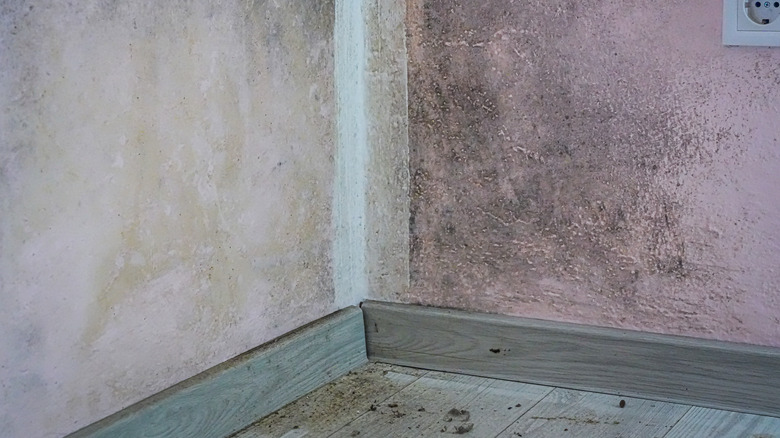
Beware of buying homes with damp spots in the basement, as they may indicate flooding, foundation leaks, or drainage issues. Waterproofing a basement can cost over $5,000, even in benign cases. Plus, you may need to pay for mold and mildew remediation, which can cost up to $3,000.
Old properties are usually the worst offenders, where stone floors have trouble keeping out moisture. While you may not see any water pooling, unless you're visiting the home during a rainstorm, you might notice musty odors or damp areas. Rotting wood and chalky stains ("efflorescence") along the baseboards or around wall joints are other signs worth tracking. Fresh-looking drywall, right above the base, may also be an attempt at hiding damage after a flooding incident. If you notice a black membrane between the walls and the floor, it's your cue that the basement was probably waterproofed recently. Be sure to have the fix inspected during a formal inspection if you'd like to move ahead, and keep in mind that flood coverage for basements isn't typically included in homeowners insurance.
Bulges or slants in basement walls
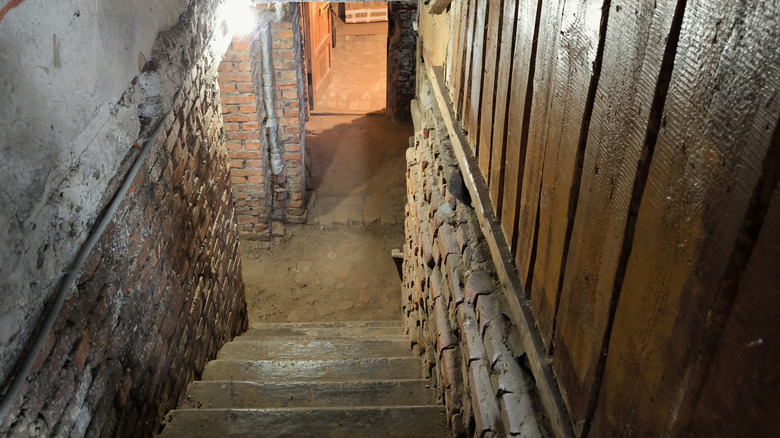
Another thing you shouldn't ignore when buying a house is a lean or bulge in the foundation walls, a.k.a. "bowing walls." Basically, when walls aren't reinforced or made poorly, they can't withstand exposure to moisture from rain, snow, ice, or groundwater. In areas with high water tables or clay soils, foundation walls must contend with the hydrostatic pressure exerted by the groundwater. When they fail to do so, they begin to curve inward or buckle under the pressure.
As you can imagine, rectifying such structural issues can be a pain and highly expensive. Depending on the severity and required rectification, such as wall plate anchors, carbon straps, or steel reinforcements, you may be set back by anywhere between $4,000 and $13,000. You may have to additionally shell out on waterproofing and sump pump repairs if moisture seeps through any cracks in the bowed wall. To avoid such setbacks, look for signs of caving or bulging in walls, especially around the center, while the remaining area looks relatively upright. This may be more prominent on walls showing step or zig-zag cracks.
Sagging, cracked, worn, or missing shingles on the roof
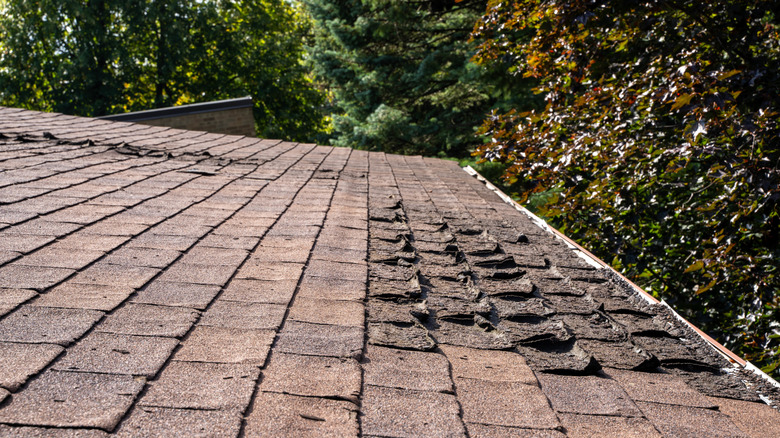
As you're making your way from the driveway to the house, it's highly likely you're already reading the roof's condition. However, not all points of contention become immediately obvious from the street. So, you may have to go into the attic or crawl space (quick hint: Use your phone's camera and flashlight), or maybe even take a look from the window to avoid any unwelcome shocks later. Buying a house with roof damage is risky, and replacement costs can run to at least $10,000, and that's without factoring in the water and insulation damage.
Look for any missing, curled, cracked, or very bare shingles (that have lost a lot of their granules) or visible patchwork, as this can reflect the roof's age and inability to hold up to the elements and keep out water. Also factor in any damaged flashing around skylights and chimneys, as it can signal water issues. Over 20-year-old homes may require roof replacements, unless they were repaired or replaced recently.
Negative sloping or backfilled area around the foundation
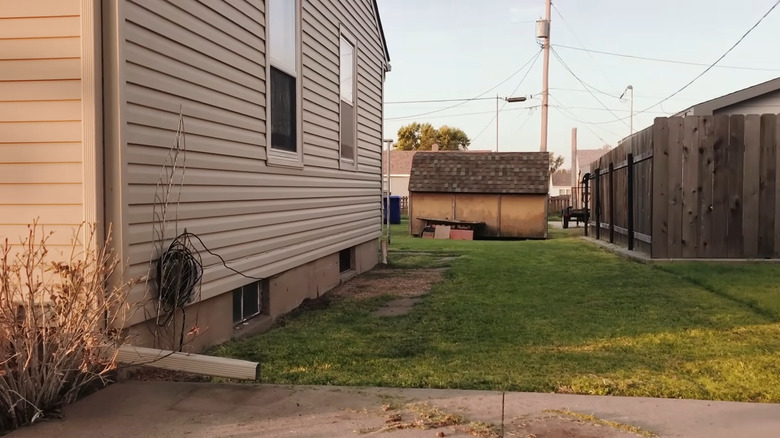
A foundation's grading can seal or break a deal. Ideally, it should slope away from the house, so the water drains properly. But if it's the opposite (a negative grade) or the grading is uneven in places, water from the downspouts, and general runoff, may flood the basement during a heavy storm. Like we outlined earlier, foundation repairs and waterproofing can cost thousands of dollars. In severe cases, you might have to put down retaining walls to direct the water away from the foundation, which can cost you another $6,000. French drains are another potential fix, but these can also cost a few thousand dollars to have installed. Correcting minor gradient issues by regrading small areas or filling in soil is generally less expensive, but it might not be something you feel like adding to your to-do list once you take possession.
To avoid all this, keep your eyes peeled for any pooling water or muddy areas around the house, as they indicate that the foundation may be sinking. Also, inquire further if you notice any areas backfilled by soil — they may be in place to address grading issues. To make sure you're not buying any surprises, try to ascertain during the home inspection whether the backfilling is likely to resolve the gradient issue, or whether there's a deeper problem at play, like underground water.
Low water pressure and quality

The worst thing that could happen after moving into your new abode is water pressure dropping to a trickle while you're lathered in soap because your spouse is doing dishes. Low water pressure often indicates corroded or leaking pipes that aren't allowing the water to flow properly. This issue is more common in homes built before 1990, which typically have PVC or galvanized pipes. If not dealt with, you may have to later pay for new pipes, which can run to $6,00 for an average house, with the costs adding up further if you choose to install new fixtures. Sometimes, low pressure may also indicate issues with the water heater, and replacement can run you up to $2,500 for a traditional water heater, and up to nearly $4,000 for a tankless version.
So, always check the water pressure before buying a house. Send your partner, roommate, or kids to other rooms and turn on the shower and taps at the same time. Also, run the toilet to determine how low the pressure goes.
Cracks or mold on ductwork
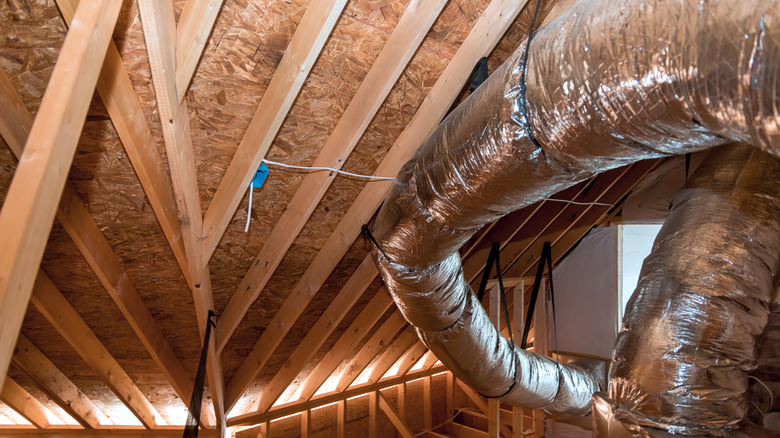
The idea of scrutinizing the home's ductwork may not seem interesting, but you should check it out anyway. Otherwise, you could be staring at additional expenses ranging. Air duct replacement can cost between $1,500 and $10,000, depending on the level of repairs (or replacement), materials, insulation, size, and complexity.
If the ductwork has holes and gaps it's unlikely to function well. This results in the air leaking out before it even reaches your vents, delaying how soon your home cools or heats. This, in turn, puts more pressure on the HVAC system and translates to heavy utility bills. The worst bit? Indoor air quality takes a nosedive, too, especially if the ducts are clogged with dust and debris, posing a risk to your family's health. So, do yourself a favor and remove the vent on a floor register. Use the flashlight or snap a picture to get a better idea of the ductwork's overall condition.
Fogging, misalignment, or poor sealing on the windows
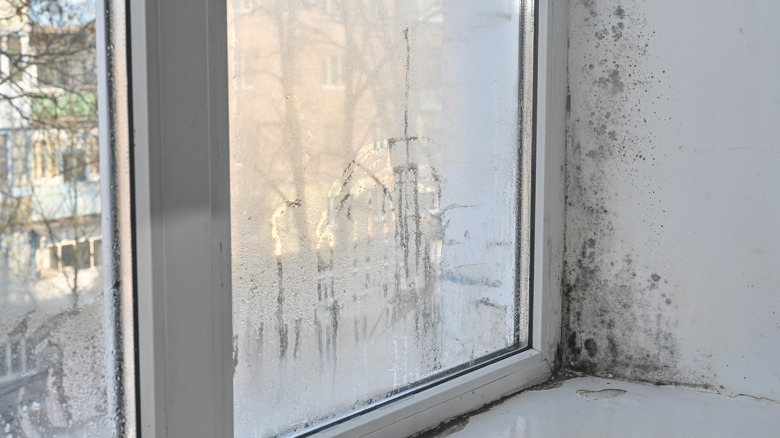
Windows can tell a bigger story than their frame suggests. Check whether they swing open seamlessly and are properly insulated (bonus if they're double pane), and take note if they get stuck easily. Like sticky doors, windows that jam can signal that the foundation is sinking, while cracks around the windowpanes may reflect moisture issues. And remedying these is expensive, as we noted above.
Additionally, pay attention to the overall installation quality and keep an eye out for mismatched caulk (which can indicate rushed, DIY fixes), misaligned trims, or rot. Fogging in double panes may indicate sealing failures, which in turn can lead to moisture issues and reduced efficiency. A single window replacement can cost over $700, and you can expect to spend over $11,000 on the whole house if you're looking at replacing more than two dozen windows in total.
Number and type of outlets, especially on the exterior
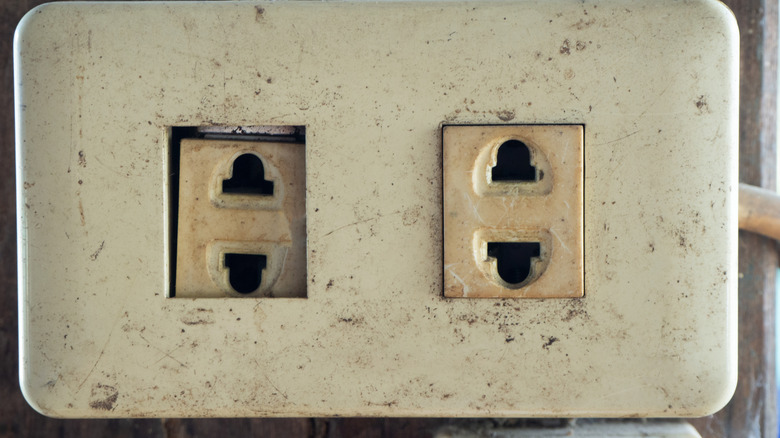
If your heart is set on a federal-style row house, a historic home, a Victorian mansion, or any other property built before 1978, always check the number of outlets, and whether they're upgraded to the modern standards. These homes may feature two-pronged outlets, unlike the three-pronged ones required by the current standards. Not only are these less safe, as the prong that directs extra electricity to the ground is missing, but they also limit the kind of appliances you can run.
Updating the existing outlets can be difficult in old constructions. Plus, it can put a dent in your wallet to the tune of $8,000-$30,000 for an average home. You may even have to rewire the whole house, as it may have the original aluminum wiring. This can sometimes involve breaking through lath and plaster, which ramps up the costs further. (Did we mention many insurance companies refuse to insure homes with aluminum wiring?) Plus, you may need to install GFCI outlets. If the electric panel can't accommodate them, that's another upgrade on your hands. Besides, you may have to include extra outlets on the exterior walls to support solar panels or charging stations for electric cars. Burn marks or discoloration around units may also signal questionable condition (and replacements). Factor in these additional expenses when negotiating the buying price.
Discoloration on the fascia and the siding
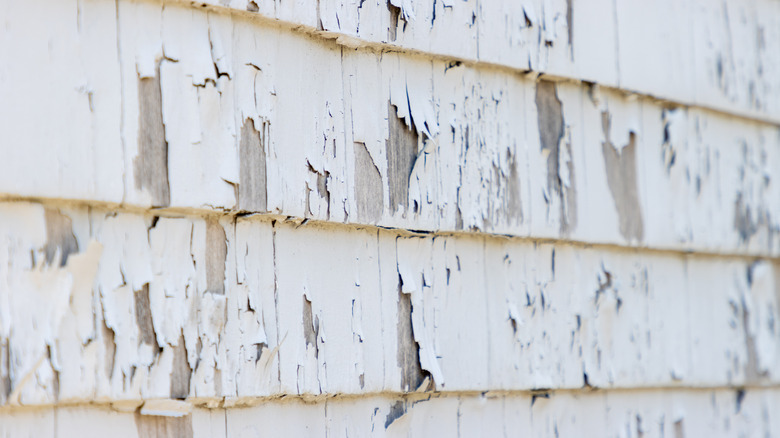
If you notice any discoloration, cracks, or soft spots on the fascia or the siding, odds are that the gutters and downspouts aren't functioning well. This can create bigger problems down the road with water backing into the basement and flooding it, supporting mold infestation. You may also have to deal with foundational repairs, which won't look pretty on your bank statement. Water overflowing from gutters may also affect the windows and roof, necessitating costly replacements.
So, while you're doing the rounds of the house, check for any stains on the exterior wall and siding — they may be caused by rainwater runoff and debris as they slide down. Also, check with the seller that the downspouts drain at least 6 feet away from the house and are properly connected to the drain tile. If doubtful, seek out a professional roofer. They'll point out whether the gutters are positioned properly, the chances of them coming off the roof (if they can't handle the runoff), and any other possible concerns. Replacing the gutters at this stage would cost about $1,700 but save you expensive foundation fixes.
Large trees in the yard
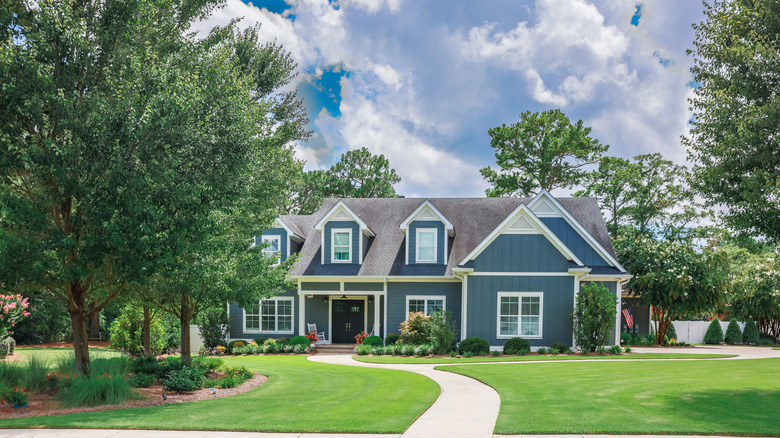
Tall trees certainly raise curb appeal and are prized for their shade. But you need to take their location into account. If their canopies are flanking the roof or the siding, and your potential home is in a windy or icy location, you may have to deal with limbs splintering and landing on the roof or fence, causing immense damage. Sometimes, the trees may fully uproot and topple over on your driveway or your neighbor's lot.
Planting choices matter, too. Shallow-rooted trees or those with an extensive root system can lift foundations or invade drainage pipes and sewer lines if they're in the wrong location (which is more common than you think, since not many homeowners take the tree's mature size or root system into account when planting). The worst part is that these issues will persist as long as the problem trees stand onsite. This means you will likely either have to shell out periodically for foundation and drainage system fixes or pay a professional to have the tree removed.
Potholes, frayed edges, or uneven gradient of the driveway
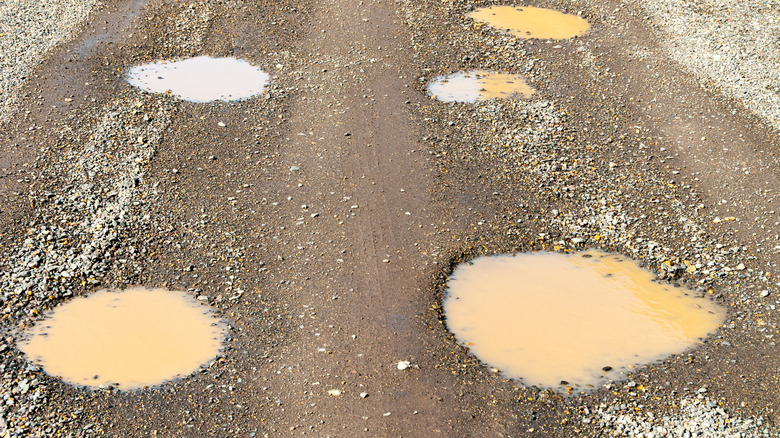
Considering the regular wear and tear driveways go through, it's almost expected that they'd develop a few small fractures and cracks. But if the cracks and potholes are noticeably large or are concentrated along a large tract, don't ignore them. Any crumbling along the edges may also signal structural issues. Resurfacing large areas can run up to $5,000, while a complete replacement can cost thrice that.
Given this, keep your eyes peeled for uneven gradients and misplaced slabs. Such areas can catch water, leading to drainage issues and substantial repairs. Releveling a driveway can cost nearly $6,000 in some cases. You also don't want the driveway to be too steep, or it will be difficult to drive on during the cold months.
The state of the attic can clue you in to pest and insulation issues
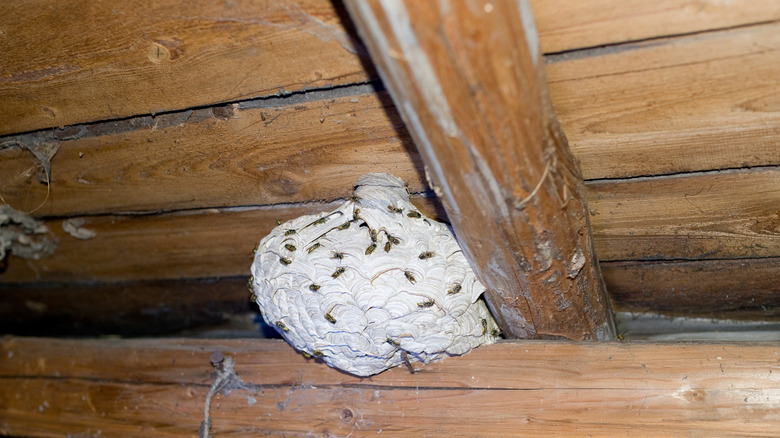
Just because the attic is out of sight doesn't mean it should be out of mind. When homes have finished basements, attics are your only gateway to get a proper assessment of their true conditions. The state of insulation, ventilation, rafters, and beams can explain whether the home was well-cared for, or will turn into a money pit. If the attic has loose fill insulation, check to see if the material is clumping or developing low spots. If it is, you'll have to top up the fill, which can add a few hundred dollars to your expenses.
Additionally, keep an eye out for pest infestations. Any droppings, chewed-through wires, nests, or gaps in the roof will serve as entry points for rodents and other vermin, implying future outlays in pest-proofing. Plus, if a varmint can squeeze through a gap, imagine how easy it'd be for rain and snow to seep through.
Ductwork venting into the attic or basement
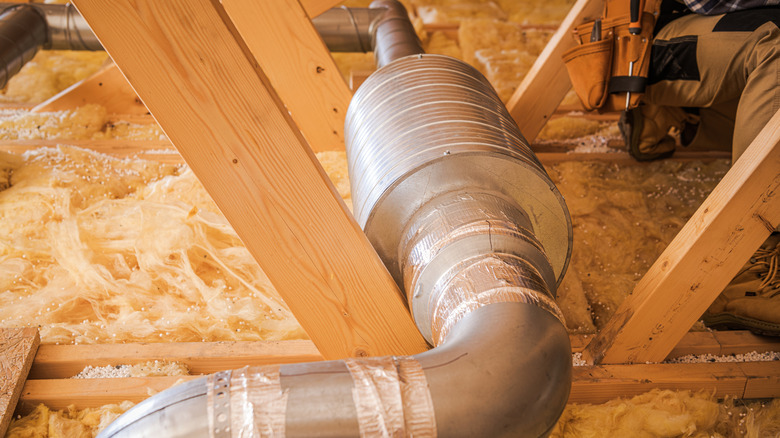
Outside venting, through the roof or the gable, is code in many states. But where it isn't, ensure that there are no ductwork vents, be it for exhaust fans, dryers, or stoves, inside the home. When moist air gets trapped in enclosed spaces, it can lead to damp, mold, and mildew problems. If condensation builds up, this moisture may flow back into the vent pipe, leaving dark stains on the ceiling around exhaust fans. Moisture buildup in the attic can also cause structural damage over time, such as rotting and softening of the roof sheathing. Repairing this damage can be expensive.
So, look around the basement, attic, crawl space, or garage for vents. You should plan to have them relocated on the exterior of the house after purchase, and have any plastic dryer vents replaced (as these can raise the risk of lint catching fire). You can also negotiate and ask if the buyer is willing to take the cost off the selling price, but there's no guarantee they will agree.