

The Shrinking Lawn Trend Taking Over Backyards In 2026 — And What's 'Replacing Turf'
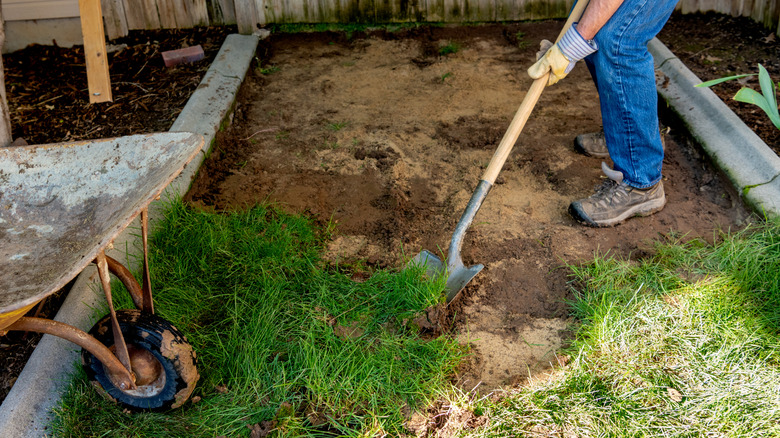
From the weedy patches of grass in early American lawns to the immaculately manicured green expanses that we see today, lawn trends have evolved quite a bit over time. That's not changing anytime soon, as one particular trend is showing up in neighborhoods all over the country, transforming outdoor spaces and reinventing yard maintenance. You may have heard about the "shrinking lawn" trend taking over backyards in 2026, and now it's time to check out what's replacing turf in modern landscapes.
Soon after landscape designers introduced the idea of closely cropped grass in England and France back in the 1700s, Americans began their love affair with lawns. Over the years, grass has become a default in outdoor spaces, but today, the anti-lawn movement provides a strong case for ripping out your grass and replacing it with anything from clover and wildflowers to edible gardens and other sustainable options.
Today, considering what it takes to keep a lawn lush and manicured, many people are ditching their grass and using their yards for something better. As professional landscaper Max Thomas explained to Livingetc, "The anti-lawn trend is a movement that encourages homeowners to replace traditional grass lawns with more sustainable and low-maintenance landscaping options." He added, "It aims to reduce water usage, minimize chemical inputs, and create a space that requires less upkeep while still being beautiful and enjoyable."
Explore your options for replacing turf in your yard
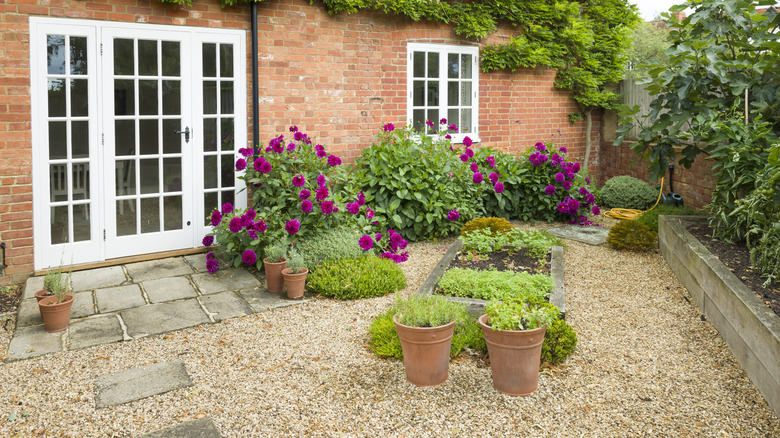
Many folks in the anti-lawn movement are turning away from grass monocultures because they're biological deserts, meaning they don't support biodiversity. Instead, according to Robin Trott, an extension educator with the University of Minnesota, living landscapes are trending for 2026. "Adding features like water sources, brush piles, and layered plantings turns your yard into a vibrant ecosystem. Even small changes, like swapping a patch of turf for native flowers, can make a big difference."
Indeed, many homeowners participating in the anti-lawn movement start small when replacing their grass. This takes the pressure off and allows them to focus on a little bit more of their yard each year. The payoff is that, in addition to being low-maintenance, many lawn alternatives require less water, so you can save money while attracting more wildlife and pollinators to your yard.
If you're one of the many American homeowners with a heat-stressed lawn, you may have already chipped away at its expanse in an effort to conserve water. Whether you implement rain gardens, native plants, or mulched flower beds, shrinking your grass can reduce the amount of time you spend watering and maintaining your yard. Rock gardens, dry creek beds, and other stone landscaping ideas are ways to add curb appeal without all the hassle. For more ideas, consider functional gardens with fruit, vegetables, herbs, and small patches of green to connect areas or serve as pathways.