

15 Home Projects To Avoid Starting In The Winter
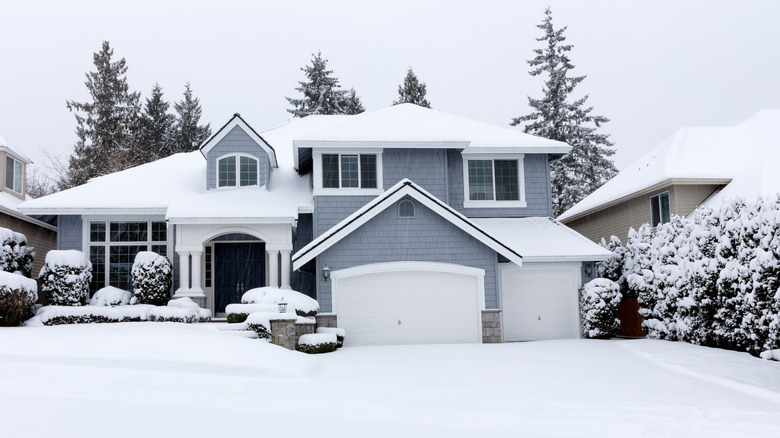
Whether or not you should avoid certain jobs during the winter really depends on the unique seasonal conditions in your area. However, across much of North America, the dip in temperature alone can be enough to put us warm-blooded humans off the idea of venturing outdoors for a spot of home renovation. Add to that sheeting rain, drifts of snow, and frequent morning visits from Mr. Frost, and it starts to become clear why certain jobs are best left for the more suitable climates of spring and summer.
To help you decide which home renovation projects are best saved for winter and which should be avoided at all costs during the cooler months, we've compiled this guide. In it, you'll find no fewer than 15 home projects that should be avoided during the cold season. Some, like aerating your lawn, risk doing more harm than good. Others, like sinking fence posts into the ground and digging out trenches for new electrical cables, are quite frankly far too difficult in frozen ground without heavy and expensive machinery.
Of course, if the winters in your region are mild, then bully for you! You won't need to worry about forgoing the below projects when the winter winds begin to howl. But if winter for your region is a frigid affair, then take it from us: It's well worth putting a pin in the below projects until the mercury starts to climb.
Exterior paintwork is easier to dry and cure in the spring and summer
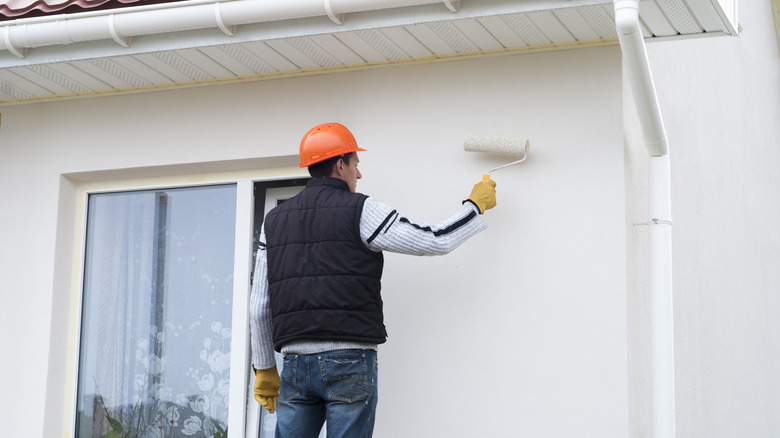
One of the best pro-level tips for painting the outside of your home is to hold off until the spring and summer. This is for several reasons. The first is that paint doesn't tend to adhere to walls or cure quite as well when air temperatures dip consistently below 50 degrees Fahrenheit. In time, this can lead to the paint cracking and peeling. Another reason, especially in areas with wetter, winter climates, is that moisture and condensation can seriously interfere with the paint drying. Oh, and if your local winter temperatures regularly drop below zero, then the paint could actually freeze before it has a chance to dry.
In all cases, the end result is unlikely to be ideal. In fact, it'll probably leave you needing to strip the paint away and start again, which itself is an annoying, messy job. It's also deeply frustrating — especially when you could have just waited for warmer weather.
Concrete will be weaker if cured in the winter cold
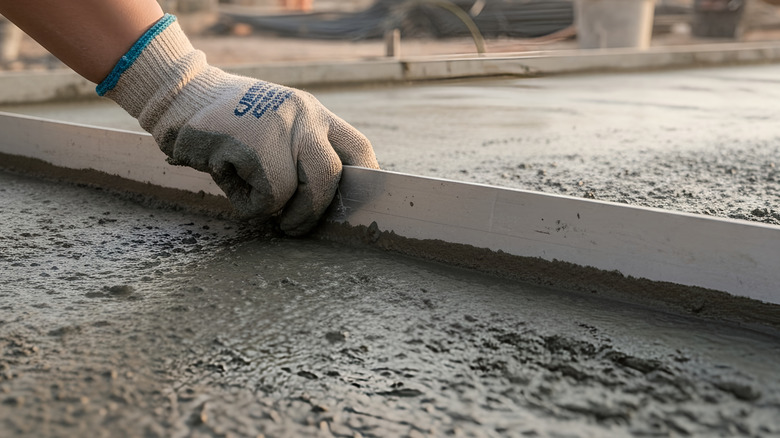
One of the things you should know when laying concrete in the winter is that, like paint, concrete needs a certain amount of warmth in order to cure properly. Ideally, the temperature needs to be between 59 degrees Fahrenheit and 77 degrees Fahrenheit, which makes laying concrete a decidedly bad idea in areas where the winters are bitterly cold. Even on days when the mercury happens to climb back into that sweet spot, if the ground underneath was recently frozen, then it's still likely to sap heat from underneath your concrete.
In either case, if you pour concrete when it's too cold, you can expect less-than-desirable results, including concrete that's understrength. Of course, it's entirely possible to get around this concrete conundrum by installing tents and keeping the area warmed with heaters, although this is likely to be very expensive. You can also buy cold-weather concrete, although this, too, tends to cost more than standard concrete. In other words, if you can wait until the spring or summer to lay your concrete, then it's hard to understand why you wouldn't.
Roofing is harder and more dangerous to fix in the winter
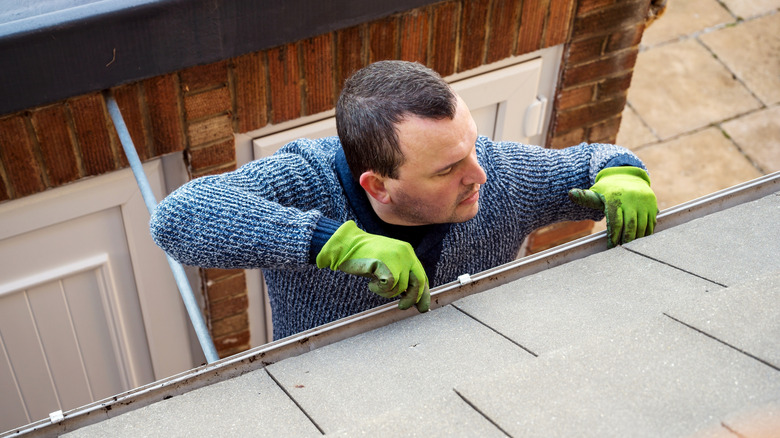
This one may not come as much of a surprise, particularly to those who live in areas afflicted with cold, bitter winters. But there are a couple of reasons why roof work should be avoided in winter, beyond the obvious matters of safety. For starters, roofing materials like shingles and underlay can become brittle in colder weather. They can also be harder to seal in the cool winter air; adhesives may not activate properly below recommended temperatures, and if you choose to ignore those recommendations, you could be left with all kinds of roof issues in the future.
Then, of course, there are the physical conditions of the winter months that you'd have to contend. Snow, rain, wind, ice — none of these are conducive to safety when you're climbing a ladder and clambering onto the roof. And yes, you could always install a scaffold. However, if you're removing sections of your roof for retiling and therefore leaving your house exposed, then the running costs of keeping your home warm are likely to skyrocket, at least until the job's done.
Installing and sealing siding can be harder in cold weather
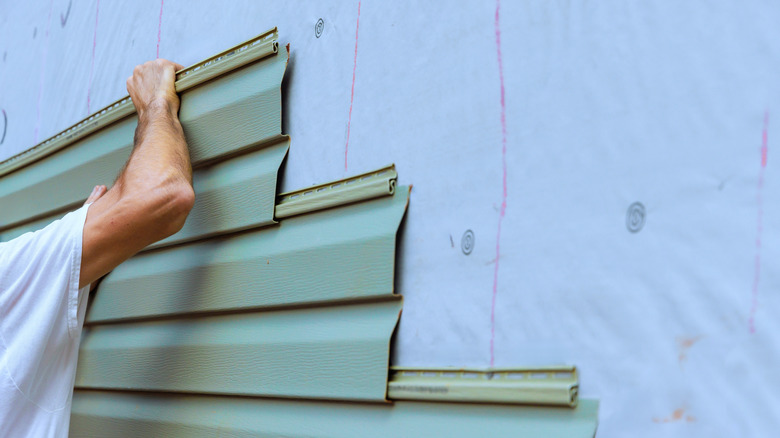
Arguably the best time to check, fix, and install new siding is in the fall — before the worst of the winter weather settles in and wreaks havoc on any cracked or compromised parts. Unfortunately, if you live in an area that experiences bitter temperatures, you may well find that the required caulks and sealants simply refuse to bond like they should. Vinyl and fiber-cement siding can also crack and warp in the cold, and if your winters are wet, then any sealants you use may not dry as quickly as they would in fairer weather. They could even be prone to mold.
Like laying concrete, installing new siding is technically possible in the winter. But it is specialist work, often requiring experience of working with delicate, brittle materials. In the winter, it's the sort of work that's best left to the professionals, and that, in turn, means that it's likely to be more expensive — certainly more than it would be if you waited until summer to do it yourself. You may also find that in certain conditions, like extreme rain or cold, even professionals won't undertake the work.
Digging and pouring foundations for new structures is easier in warmer weather
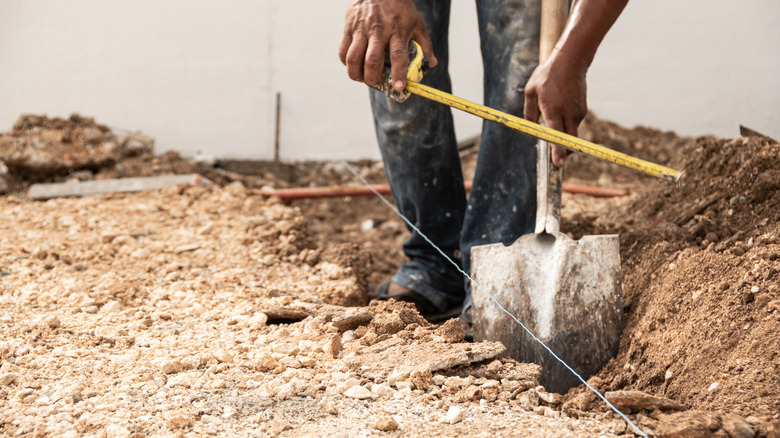
If you're hoping to get your home in shipshape for the summer months, then there are several home improvement projects that should absolutely be handled during the winter, like decluttering your cupboards and cleaning out your dryer vent. But should you try to dig new foundations when the winter winds start to howl? Honestly, you're almost always better off waiting until spring.
It could be a new shed, a garden office, or a pergola for which you need solid new foundations. Whatever the reason, winter is by far the worst time in which to try and dig them. Frozen soil makes the work much harder and slower than it needs to be, as does ground that's excessively waterlogged or flooded. In either case, you may need to hire machinery, which is sure to ramp up your bill for the work. You may also need to hire specialist equipment in order to help the concrete set. Alternatively, you could use specialist cold-weather concrete. Either way, you'll have to spend more to achieve the desired result than if you'd simply held out for fairer weather.
Landscaping is a job best saved for the spring and summer
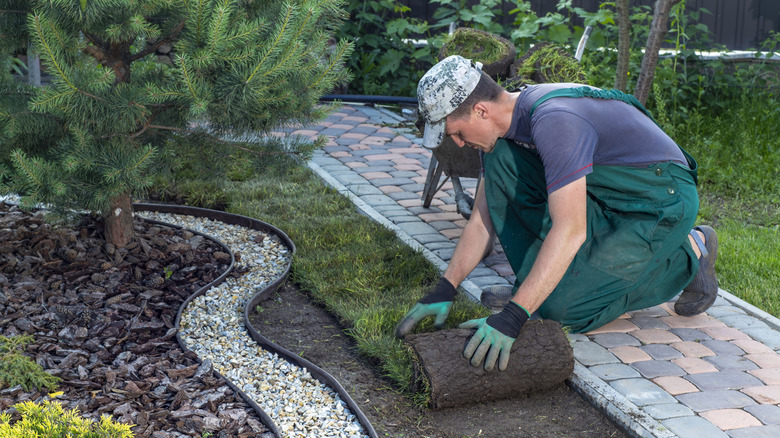
With the colorful borders of summer having died back, winter can seem like as good a time as any to liven up your yard with gorgeous new landscaping ideas. Unfortunately, if you live in an area with low winter temperatures or high amounts of rainfall, it's about the worst time of the year in which to do it. For starters, many plants are dormant and therefore much less inclined to establish their root systems during the winter. Not only that, even if they were in the mood, frozen soil is hardly the most forgiving for new roots looking to make a home for themselves.
Frozen soil is also hard to excavate, especially for larger projects. Even smaller jobs may require the use of machinery to excavate it, which is sure to make the job more expensive. And even if your budget allows for such an expense, it's generally recommended that you undertake landscaping jobs between late summer and early winter. This is especially true in gardens that see lots of rainfall, since it's difficult to grade your garden's drainage when the ground starts to freeze.
Masonry and brickwork are stronger if built in warmer weather
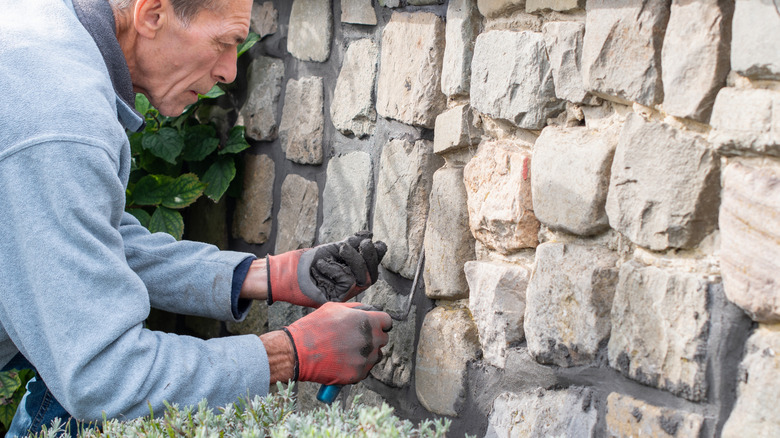
Like concrete, siding sealants, and paint, the mortar used in masonry and brickwork simply refuses to cure properly when the temperatures drop below 39 degrees Fahrenheit. This alone can lead to a weaker finish. But in damp weather, moisture can also become a problem, especially if it finds its way into your mortar. If it does, and if temperatures dip below freezing, then that same moisture will expand as it freezes, leading to cracks in your handiwork.
Of course, you could always add a heated enclosure around the area you're working in, which we'll admit would solve both issues rather neatly. However, you'd need to either buy or hire the materials and equipment to build such a shelter, and you'd also need to pay to keep the heaters going. In other words, unless you're in dire need of the masonry and brickwork, building it in the winter is likely to be far more expensive than it needs to be, as compared to doing it in spring or summer.
Frosty ground makes a deck or patio installation much harder
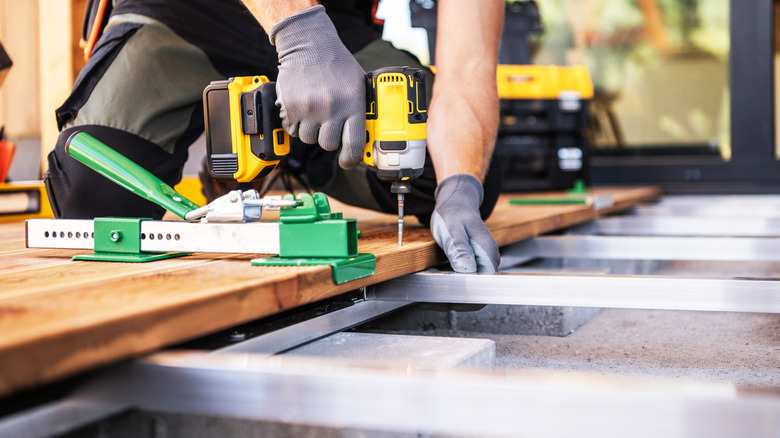
Like landscaping and digging foundations for a shed, hardscaping projects like laying a patio are far more tricky in the depths of winter. Not only is it unpleasant working outdoors in the rain, wind, and snow, but cold and frozen ground also makes it much harder to dig footings for your new outdoor space. Even if you manage to get them dug, you'll still need to level and compact them, and neither job is likely to be easy should a storm roll through and flood your footings.
Of course, it's possible to avoid this problem altogether by installing a work tent over the area and working underneath it. This will also help to keep the rain off any concrete that needs pouring into the footings. However, it's an added expense that's altogether unnecessary when you could just wait until spring or summer. And don't forget, if you need to pour concrete into those footings — and the winter temperatures in your area frequently drop below 59 degrees Fahrenheit — then you may also need to heat the enclosure to ensure the concrete cures properly.
A new asphalt driveway may not bond properly in sub-zero weather
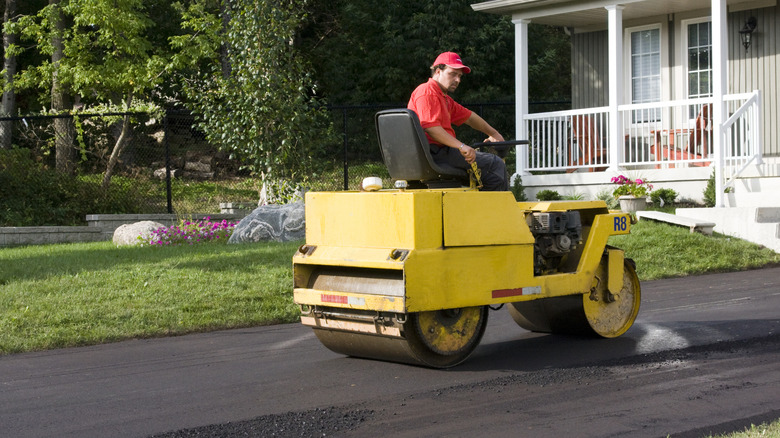
By now, you may well be starting to notice a pattern. Just like paint, concrete, and various sealants and caulks, asphalt's least favorite season for installation is the winter. In the spring and summer, the warm ground helps to encourage asphalt to compact and bond. But in the winter, it can cool too quickly, leading to a driveway surface that's stiff, brittle, and highly prone to cracking.
Even if the ground isn't overly cold, laying asphalt in the winter remains a risky business, especially in areas that experience lots of rainfall. The water can wash various bits of debris into the mixture before it has a chance to set, leading to weak spots. For best results, asphalt should be laid in dry weather, when temperatures are between 50 degrees Fahrenheit and 80 degrees Fahrenheit. If you can't guarantee that based on the average winter conditions in your area, then hold off until such a time as you can.
Installing a pool may be harder and more expensive when the ground is frozen
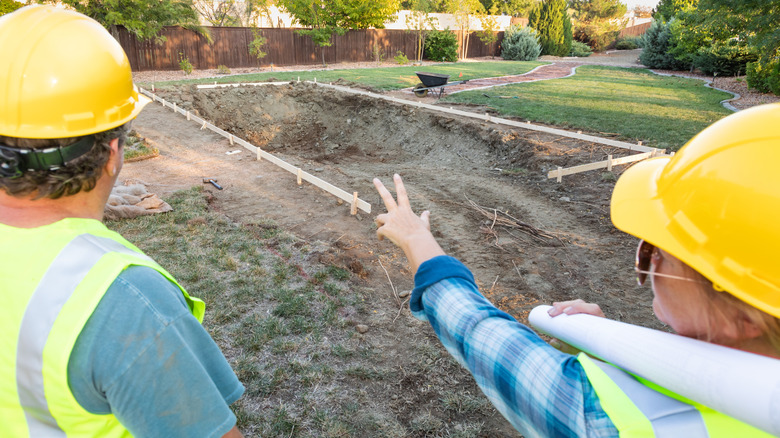
There are a few reasons why you may be better off waiting until spring or summer to finally dig out your dream pool. The first is that, in areas that experience very low winter temperatures, the ground is likely to be hard, maybe impossible, to excavate without heavy and expensive machinery.
What's more, if temperatures frequently dip below 59 degrees Fahrenheit, any concrete that you use for the project is unlikely to set properly. Add to this the chance of your new plumbing lines freezing and cracking before they have a chance to be properly tested, and it's fair to say that building your swimming pool is a task best saved until the spring and summer.
Trenching new electrical cables is harder and more dangerous in the middle of winter
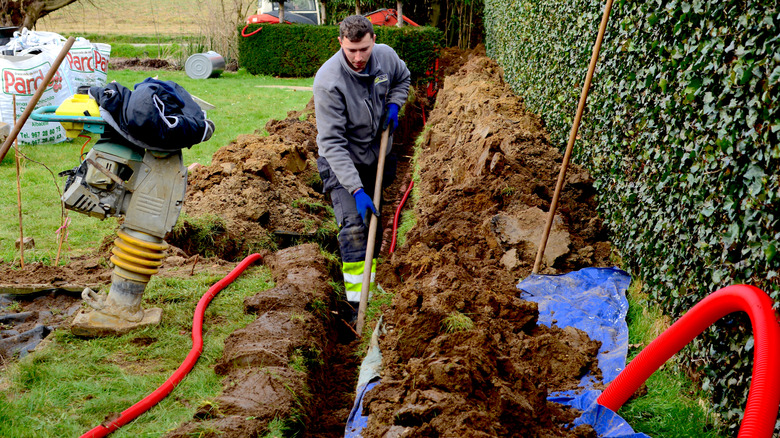
If you need to run new power cables through your garden, then the winter is about the worst time to do it. For starters, if your ground frequently freezes, then trenching the cables is likely to be much harder than it would be during the summer. And if you receive lots of snow, then it can cover up other hazards, like roots, which are sure to make your task even more difficult. It could also blanket utility lines and pipes, which, if broken, are costly to repair. Even in areas that don't experience lots of snow, if the winter tends to be wet, then the seasonal increase in moisture is far from ideal for this particular task. Electrical equipment is best handled and installed in dry conditions, lest you expose yourself to the risk of shock.
This isn't to say that trenching new electrical cables isn't possible in the winter. It's just that, given the risks outlined above, it's arguably best handled by a professional, meaning you'll have to spend more than is perhaps necessary to get the job done. If the job can wait and you're comfortable doing the work yourself, provided that the weather is dry, then save yourself the cost of hiring a contractor and reduce the risk of accidents by holding off until the warmer months.
Installing new fence posts is extremely difficult in frozen ground
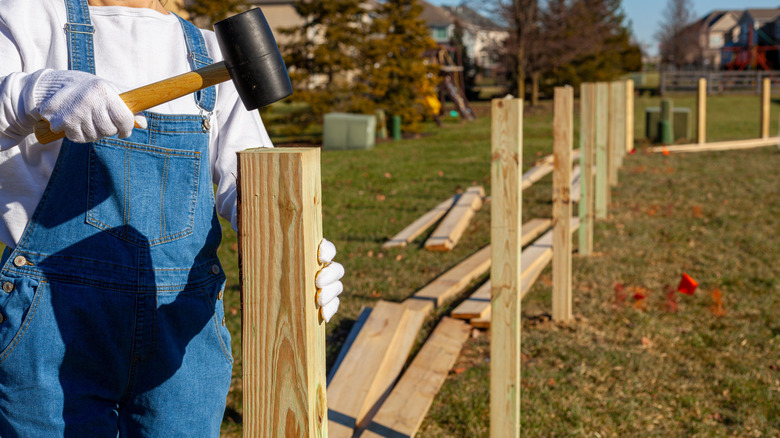
There are two main reasons why installing fence posts is best saved for the spring and summer. The first is that the general rule of thumb when installing fence posts is to sink at least a third of each post into the ground. At the very least, you need to ensure your posts are buried below the frost line (the depth to which the ground in your garden freezes) — a requirement that's infinitely harder to meet when the ground is already frozen.
The second reason depends, to an extent, on how you intend to secure your posts in place. While there are several ways to install a fence post without cement, it has to be said that using this strong bonding material is one of the easiest ways to ensure a sturdy finish. The problem, in the winter, is that cement and concrete require a certain temperature in order to properly cure. If temperatures are too low, then your posts' strength could easily become compromised.
Cold weather prevents stains and sealants from penetrating fences and furniture
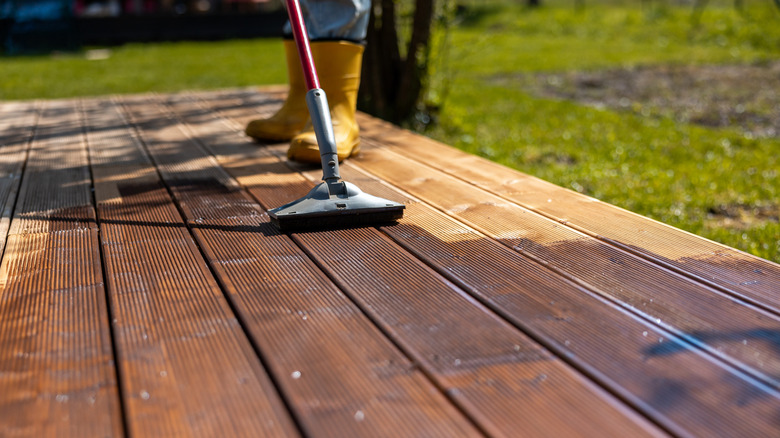
One of the best tips we can offer for staining your wood is to wait until the spring or summer. In the winter, the cold is likely to stop the stain or sealant from penetrating properly. Wood also becomes less absorbent during the winter — a trait that's exacerbated by any snow or wet weather, which can wash away or dissolve the treatment before it has a chance to seep in. Even if it manages to soak in, wet, cool weather will inevitably slow the drying process, leaving it exposed to contamination with dust, dirt, and other bits of debris.
As a general rule of thumb, you should try to avoid staining your fencing, decking, or furniture in temperatures below 46 degrees Fahrenheit. You should also try to ensure that the wood isn't too damp before applying your stain. The best bet? Hold off until you have a few days of spring or summer sunshine, put your chairs outside to dry out, and then stain them.
Leveling your lawn is easier when the soil is more pliable
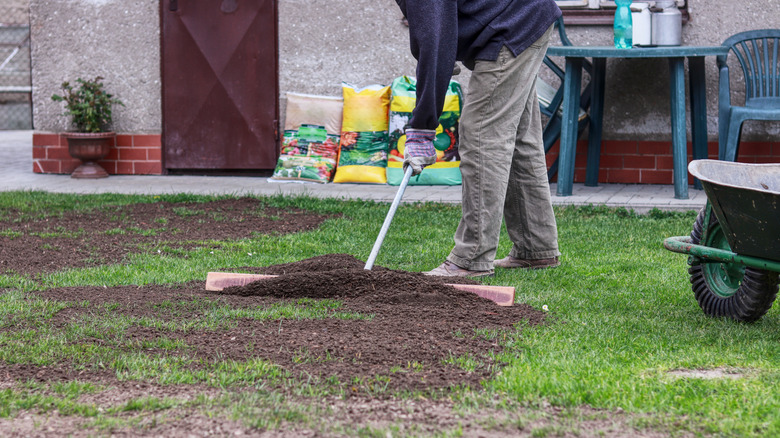
One of the biggest mistakes you can make when leveling your lawn is doing it at the wrong time of year. As for what the wrong time is, it's almost always during the winter. In the colder months, frozen or waterlogged ground makes your lawn infinitely harder to work with than during the pliable months of summer. Regular frosts are likely to make your grass brittle and prone to damage should you decide to try and level the lawn, and if the ground is soaked from rainfall, then you can easily compact the soil just by walking over it.
As with any lawn-care task, it's best to hold off on leveling until the warmer months. Precisely when you should level it depends on the specific type of grass you have growing in your garden. Whatever that may be, the key is to wait until it's actively growing, as this is when it's best able to repair itself and recover from the rigors of leveling.
Aerating your soil in the winter may cause more harm than good
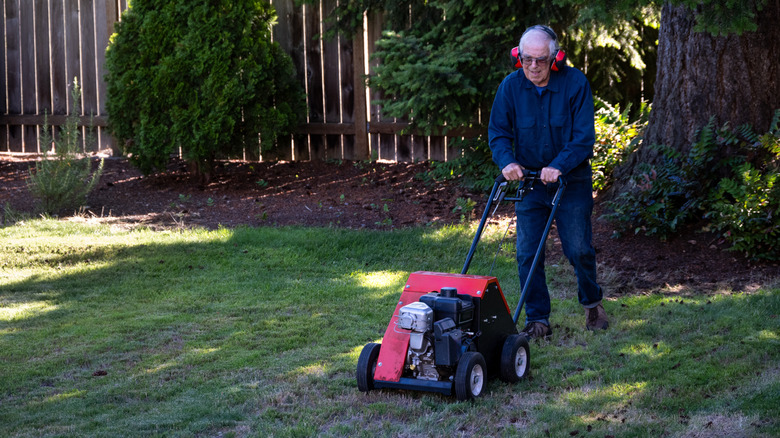
Like leveling, attempting this task at the wrong time of year is one of the lawn aeration mistakes you should avoid at all costs. During the winter, the grass in your lawn (and the roots underneath) are almost certainly dormant. This means that your lawn isn't actively growing, and if it's not actively growing, then it's in no way prepared to recover from having countless tiny holes punched into it.
What's more, while aeration is often done to fix issues associated with compacted soil, doing it in the winter can actually make the problem worse. By walking across with heavy equipment, the soil inevitably gets trampled down and compacted — especially if it's wet. This can cause lasting damage to your lawn — damage that it's not prepared to recover from in the winter — and come spring, you could easily find that your grass is even patchier than it was before you aerated it.