

The Perennial Indoor Plant That Thrives In The Cold Corners Of Your Home
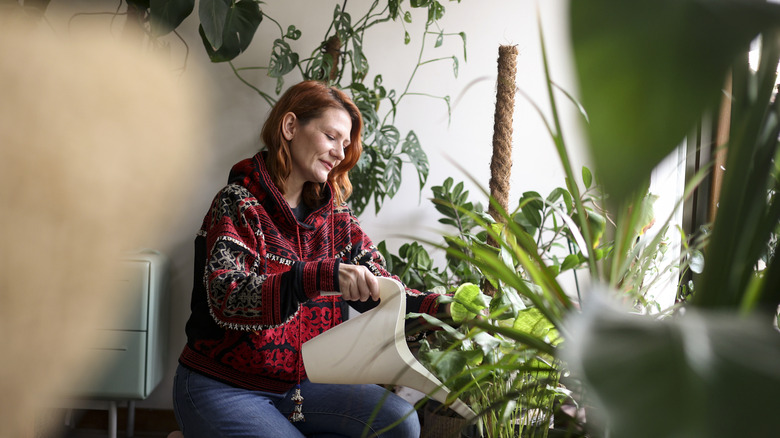
There's nothing quite like the excitement of bringing home a new plant. However, that joy and anticipation can quickly turn to disappointment when your green thumb doesn't work out like you hoped. And, if you keep your home on the cooler side, finding the right houseplant for you in the first place can seem impossible. Don't give up yet, though. Instead, consider adding a cast iron plant — a hardy houseplant that thrives in cooler temperatures to your home.
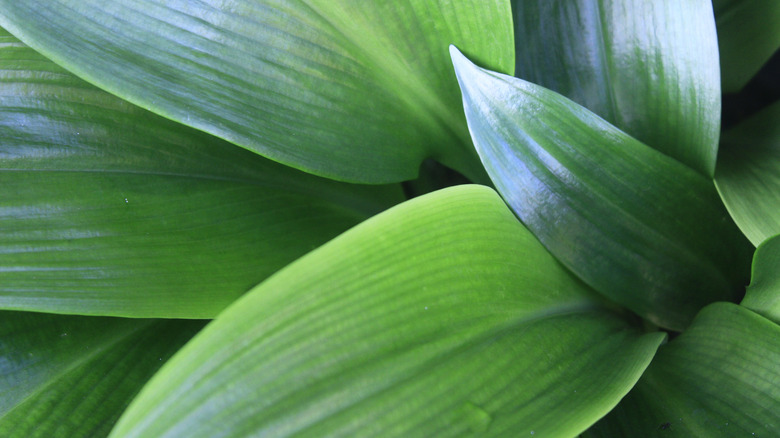
Cast iron plants (Aspidistra elatior) are perennial evergreens with several varieties to choose from. This includes varieties with multi-colored leaves, sporting eye-catching dark foliage with white or yellow markings. If its name sounds strange for such colorful foliage, it's because this plant earned the name cast iron from its overall hardiness. Cast iron plants are easy to grow and hold up well to neglect, making them one of the best plants for beginner gardeners to add to their collection. Not to mention, they can thrive in temperatures as cold as 50 degrees Fahrenheit, which is perfect for brightening up those cold corners in your home.
Although cast iron plants are considered one houseplant that anyone can keep alive, if you want to help this plant truly succeed in your home, it's important to give it the proper nutrients and environment. Brushing up on common needs, like sunlight and water requirements, can lead to a healthier, happier plant for those draftier spots inside.
How to grow cast iron plants indoors
When you're growing a plant indoors, you have more control over the soil composition. This is a bonus for cast iron plants. While these plants are tolerant of poor soil, giving them the right medium to grow in can make a large difference in their health and appearance. Cast iron plants do best in well-draining soil, with higher levels of organic material. You may choose to fertilize your potted plant, but only do so during the growing months of spring and summer.
On the topic of choosing well-draining soil for your cast iron plant, water intake is another key feature to take into consideration. After all, you don't want to leave your new plant high and dry — or soggy and waterlogged. When watering your cast iron plant, do so thoroughly, ensuring that your plant has ample water without oversaturating the soil. Then, give your plant's soil plenty of time to dry between waterings. This can help prevent any root diseases from festering.
Lastly, don't forget about sunlight. If you're unable to provide your houseplants with the right amount of sunlight for their needs, it may be worthwhile to consider using one of the different types of grow lights as a supplement. Fortunately, cast iron plants can grow both in deep shade and dappled sunlight, which can be easier to accommodate indoors compared to growing outside.