

8 Pruning Myths To Stop Believing
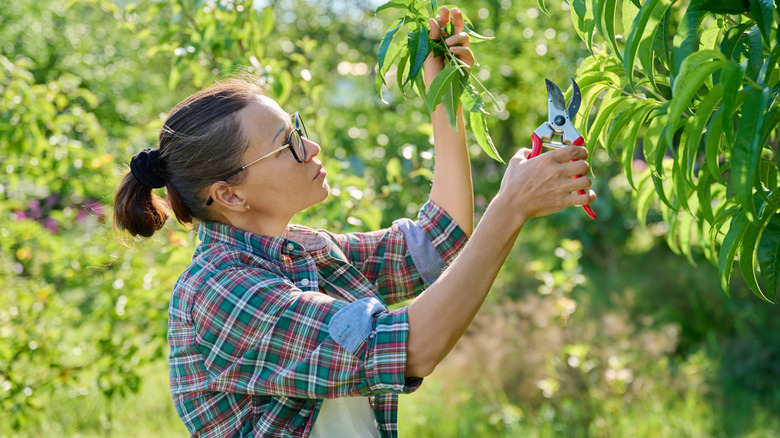
Pruning is essential to keeping the trees on your property as healthy as possible, and you don't need to be a professional arborist to prune trees on your own. You just need some shears, a lopper, and knowledge of the basic steps. But as you research the pruning process, there's a good chance you might run into some misinformation, especially on social media. These myths often form with good intention, but that doesn't mean they are valid. Many myths, such as avoiding pruning during specific seasons or that it's fine to top a tree, promote bad practices that could do more harm than good.
But what is pruning? Stated simply, it's the process of cutting certain branches from a tree or trimming and shaping other plants in your garden, like perennial shrubs, vines, and hedges. You might prune a tree to keep people safe because dead or rotten branches can fall and cause injuries. You can also prune a tree to keep the branches away from your home. Branches can fall on a house, causing damage, or even allow pests like squirrels to get into a roof where they can chew wires. But, in general, arborists mainly prune for the health of the trees. Pruning removes old, dying growth to promote new, healthy limbs. Dense trees often lack good airflow, which can cause fungal diseases to take hold, and many of the fresher limbs have trouble accessing sunlight so they can grow strong. Pruning effectively solves these problems, but before you get started, you do want to avoid believing some of the myths you might come across.
Topping is safe for the tree
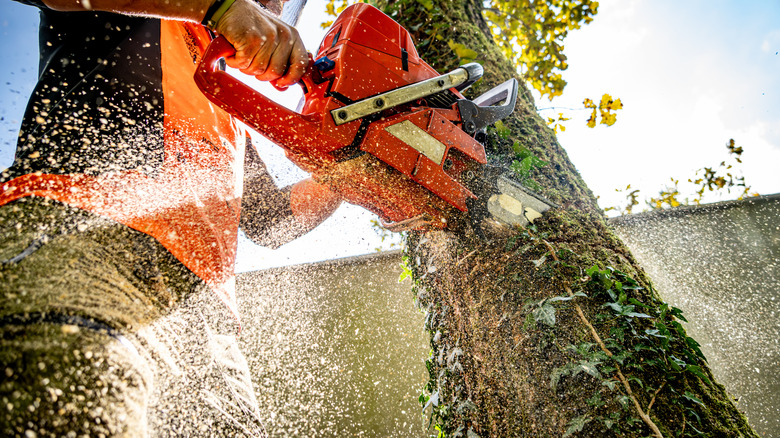
The term "topping" refers to the process of removing the top of the tree by cutting the main trunk. Homeowners will sometimes cut the top off a tree to protect power lines or to prevent an older tree from falling on a house. Arborists do not believe that topping is healthy for any type of tree. Topping allows decay to take over a tree through rot and insect infestation, and any new branches that will quickly grow from the stumps will be weak and subject to breakage.
It's okay to prune the roots
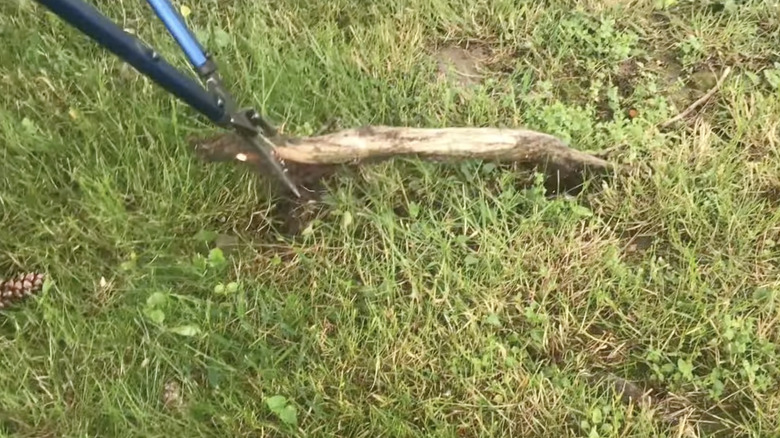
Sometimes, tree roots, known as surface roots, will grow along the ground. They are common for a variety of trees, including oaks, willows, and birches. They grow out of the soil to access oxygen, but unfortunately, these roots pose a tripping hazard and can make it harder to mow around a tree. However, you should never prune these roots because it will damage the stability of your tree and make it harder for it to take in water and oxygen. Use a weed wacker to trim around the base of the tree, instead.
You shouldn't prune trees in the winter
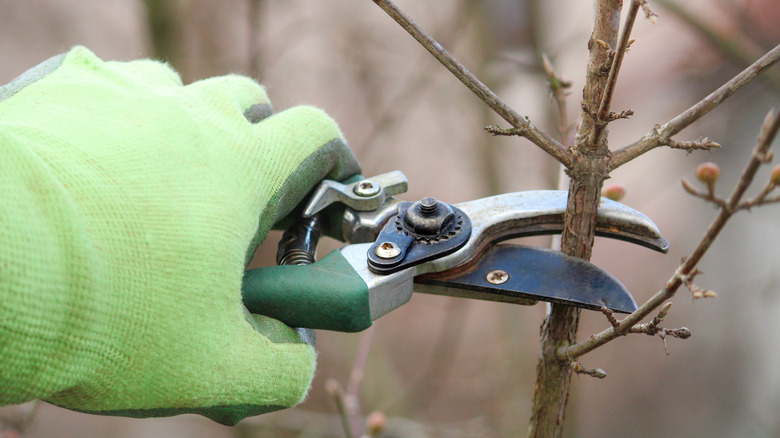
Even though the leafless branches might not appear healthy, winter is actually one of the best times to prune. That's because pests are less active and the trees are dormant, along with most diseases. Sometimes sap will flow out of branch stumps in the winter, but that doesn't mean the tree is being harmed. It's much easier to identify crossed branches and dead limbs when there's no foliage on the tree. While you're pruning those deciduous trees, also remember to prune dormant shrubs like roses, for a healthier garden in the spring.
Avoid pruning trees in the spring
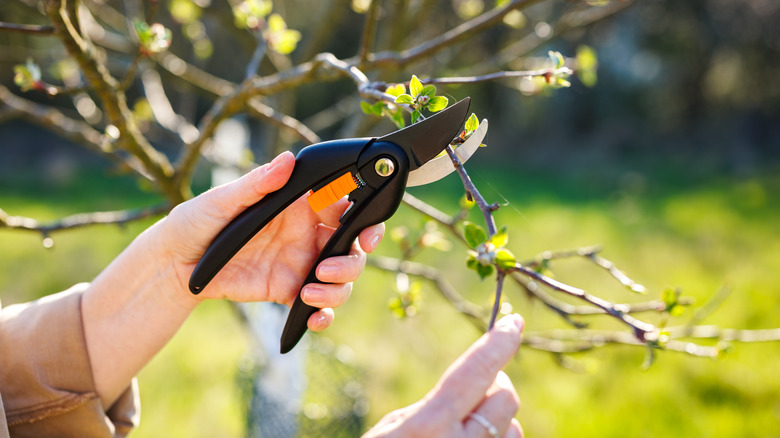
While you should generally prune trees during their dormant season to protect them from diseases and pests, you can prune certain trees in spring as well. Some species, like oaks, elms, and sycamores, should not be pruned in spring, but others, such as apricots, crabapples, and lilacs, can safely be trimmed once they finish blooming. Over-pruning is a major mistake you do want to avoid at this time, so never remove more than 10-15% of the branches. Finally, don't forget to sanitize your tools before moving to the next tree to contain diseases.
Trees should never be pruned in summer
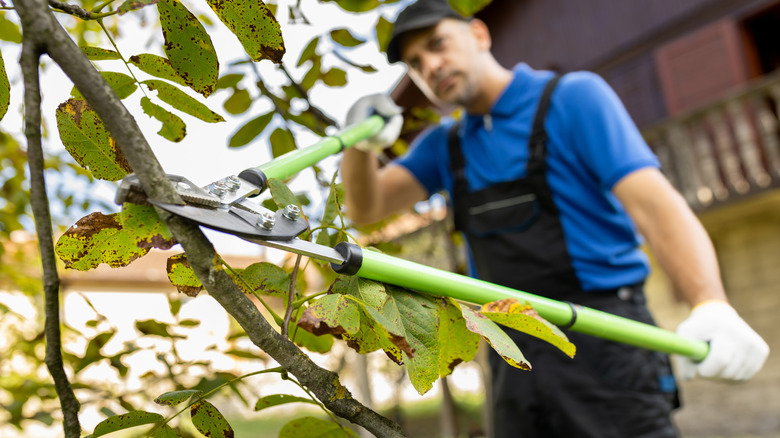
While it is a myth that you should never prune during the warmer months, light summer pruning is fine. However, heavy pruning can cause a bit of damage. Pruning removes leaves, which are necessary for photosynthesis, so the tree remains healthy. You'll also find that trees will need to fight off infections when they have an open wound, and diseases tend to thrive in warm weather. That's why you should only prune broken, dead, or dying branches during this time. Never prune oak trees in the summer, because it can spread oak wilt.
Branches should be pruned flush with the trunk
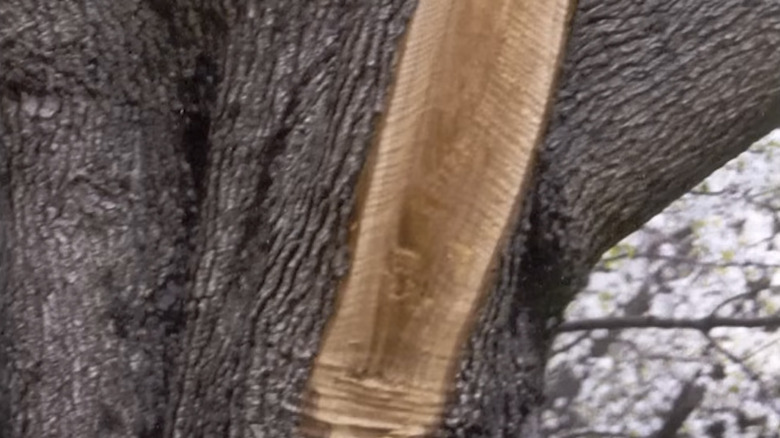
It's common for some tree branches to die naturally. Of course, these branches should be removed to prevent them from falling or spreading decay to the rest of the tree. But you have to do it right to avoid damage to the tree. Never cut a branch flush with the trunk, especially if that will result in removing the bark. Always cut a few inches out from the trunk at an angle, leaving a collar that can heal. The angled cut will prevent moisture from gathering around the wound.
All trees should be pruned in the same way
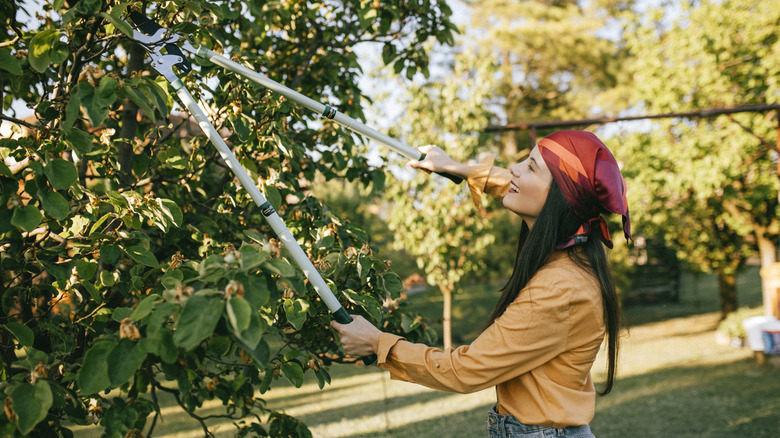
While it's true that when pruning any tree, you should first remove any dead or diseased limbs, not all species should be pruned in the same way. For example, pruning a fruit tree is very different to pruning a gorgeous shade tree in your backyard. Some species require very specific pruning, while others may only need a general tidy-up to help promote their natural shape. That's why it's important to do a little research so you can understand the correct pruning technique and you're not accidentally killing your tree.
You should always treat open wounds with pruning paint
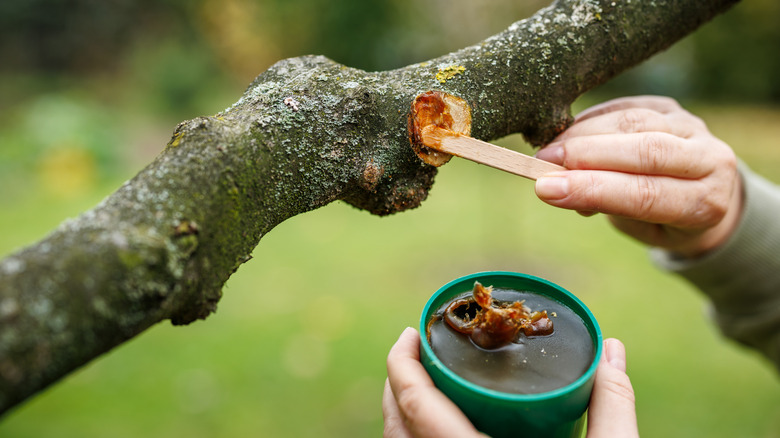
Some people dress wounds with pruning paint, a petroleum-based layer that blocks water. The purpose is to prevent rot and insect infestation after cutting a branch. But you should refrain from using pruning paints because they can be toxic to the tree and can inhibit its natural ability to heal after limb removal. As long as you leave enough collar, the tree will produce its own callus and stop diseases from causing any damage.