

10 Garden Vegetables That Thrive From A Little Rice Water
Growing vegetables is a rewarding hobby and a viable way to supply your household with fresh, nutrient-rich food almost on demand. But whether you are growing vegetables in containers in an apartment or caring for a full-size garden, each plant has specific nutrient and care needs. Different soil additives, pest control methods, and nutrients can change the growing conditions — for better or worse. You can give your plants a much-needed boost of nourishment — and naturally repel pests from your garden — with an item from your kitchen: rice water. Leafy greens like bok choy and lettuce, root vegetables like carrots and yams, and even fruiting plants like eggplant benefit from this approach.
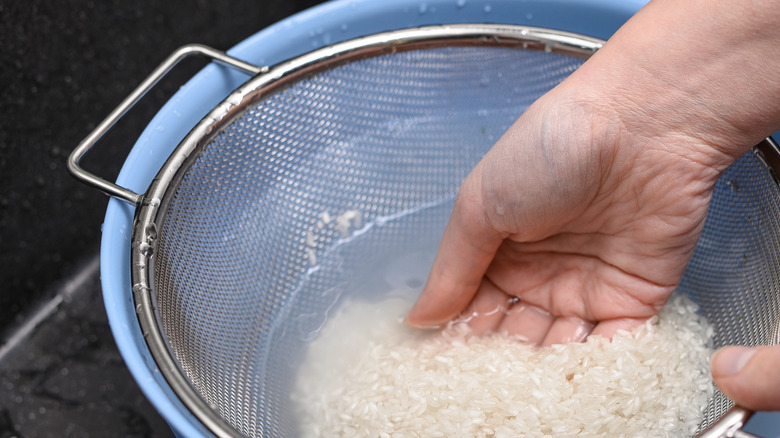
Rice can serve as fertilizer in your garden, but only if you save the water you rinse or cook it with. When you run the grains under the faucet, strain the water into a bowl to use later on your plants. For a stronger fertilizer, you can boil the rice and save the water. Both methods are eco-friendly and affordable ways to improve the health of your vegetable garden. The rice water works to hydrate the plants while also providing them with essential nutrients, like potassium, nitrogen, phosphorus, magnesium, calcium, iron, sulfur, and B vitamins. It may also repel pests, though for the best insect protection, you will need to ferment your rice water before pouring it over your veggie patch. For most plants, you can apply rice water directly to the soil around the base of the plant or over the leaves.
Bok choy
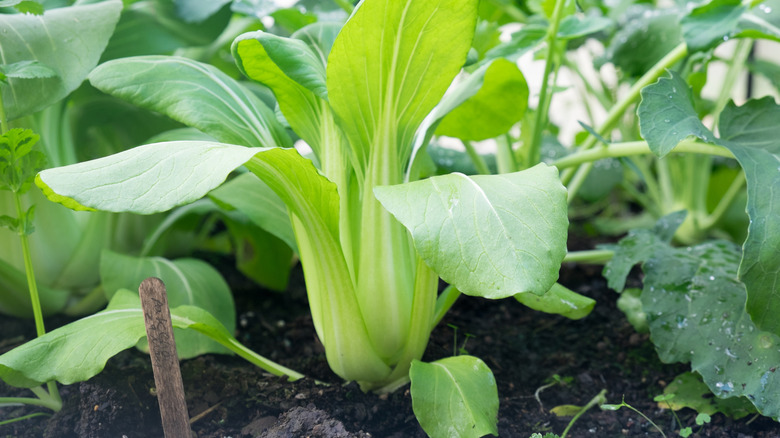
Rice water has been used as an organic fertilizer for bok choy (Brassica rapa subsp. chinensis) for centuries in Asian regions. The leafy green vegetable is native to China but is commonly grown in the U.S. in plots with neutral soil and full to part sun. You can harvest young plants as baby bok choy or as a large, fully-grown green. Rice water is great for leafy greens like bok choy because the nutrients and starchy sugars in the water slowly enrich the soil and surrounding ecosystem and stimulate growth.
Carrots
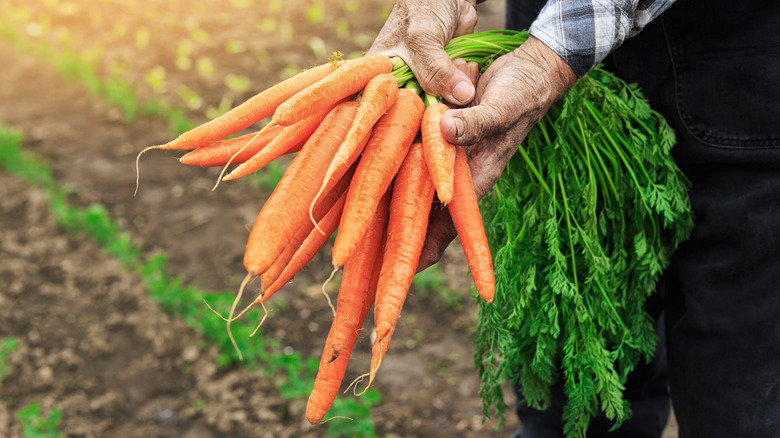
Fermented rice water can stimulate root growth due to a hormone it contains called indole-3-acetic acid (IAA). That's great news for vegetables that are all roots, like carrots (Daucus carota). Don't overdo it with the rice water, however, as these long, bright-hued edible plants prefer soils with slightly less nitrogen. Add a little rice water when you water your carrots, pouring it onto the soil near the base of the plant. Alternatively, you could spray it onto the leaves of the plant as often as two or three times per week.
Choy sum
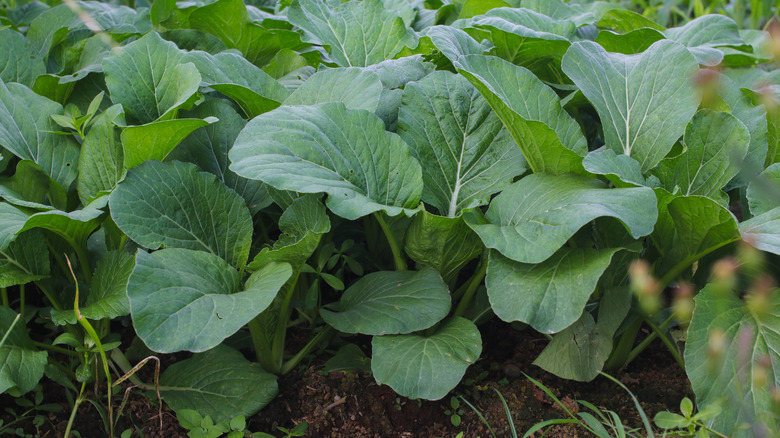
Choy sum, also known as Chinese flowering cabbage (Brassica chinensis var. parachinensis), is another Asian leafy green. It is very similar to bok choy, and they are generally used in the same recipes. And like its cousin, choy sum responds well to fertilization with rice water. A 2023 study in Heliyon found that choy sum fertilized with washed rice water (the water used to rinse rice) showed up to 70% heavier growth than plants fertilized with a commercial nitrogen, phosphorus, potassium (NPK) fertilizer. In the study, the water was applied to the soil surface, not the leaves.
Eggplant
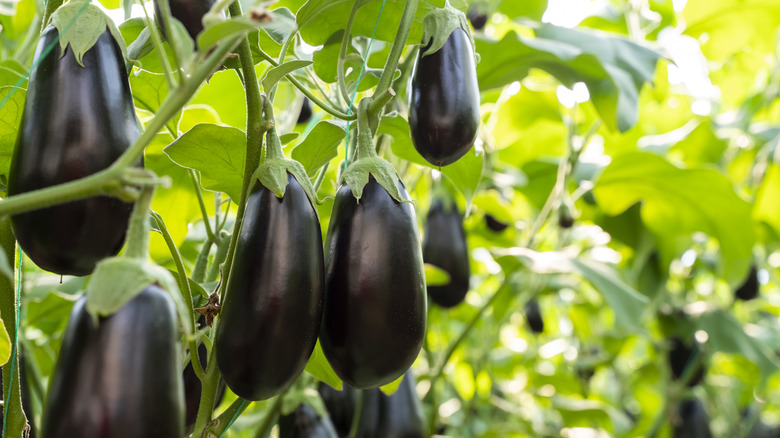
Leafy greens aren't the only vegetables that benefit from the slow-release of nutrients rice water provides. Eggplants also increase their growth when fertilized with rice water, especially washed rice water. However, eggplants are a bit picky about their growing conditions, so you will want to pay attention to the timing of the application. They're heavy feeders, so start fertilizing them early in the growing season. But adding too much nitrogen in the middle of the growing process can lead to large leaves and small fruit.
Lettuce
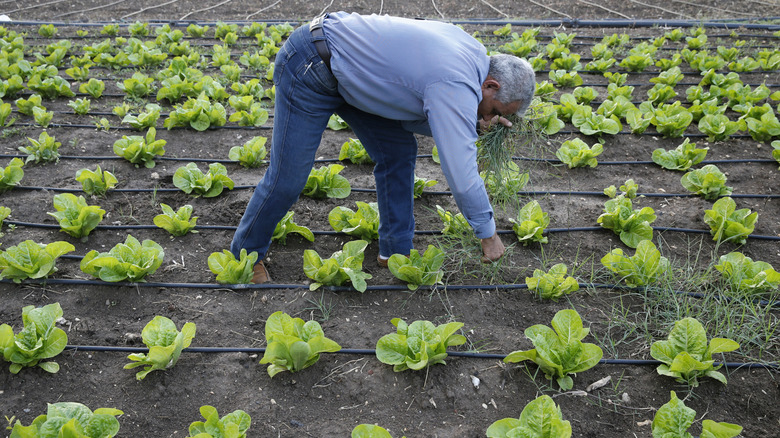
Lettuce (Lactuca sativa) is another leafy green vegetable that thrives with a bit of rice water fertilizer. Just as with bok choy and choy sum, add (ideally) washed rice water to the soil around the plant to enrich it with nutrients and produce healthier plants. A study published in Pertanika in 2021 proved that using rice water on lettuce plants improves root development. If you start seeing brown spots on the leaves, you may be using too much rice water. However, it can also mean the plant has too little calcium or potassium or isn't being watered enough.
Peppers
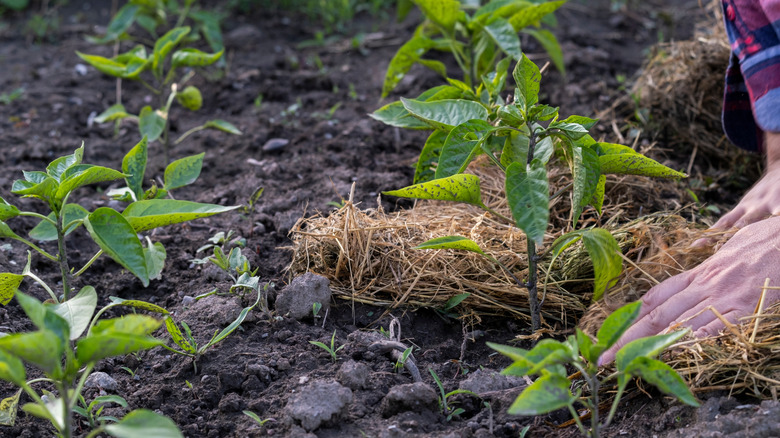
You can help your peppers thrive with this leftover liquid from your kitchen. Rice water is great for improving pepper plant (Capsicum spp.) growth. Like all vegetables (and indeed, most plants), peppers need a reliable source of nitrogen, phosphorus, and potassium to produce healthy leaves and lots of fruit. Balance is important for healthy pepper growth, but they are also heavy feeders, so you will want to add fresh rice water regularly. To determine exactly how much rice water is needed, regularly conduct soil tests to see what nutrients remain in the soil after fertilization.
Potatoes
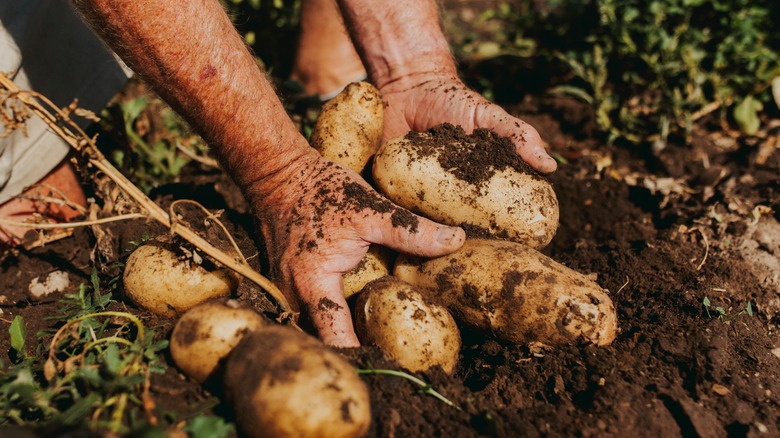
Potatoes (Solanaceae tuberosum) are in the nightshade family, along with eggplants, peppers, and tomatoes. It should come as no surprise, then, that they will also grow stronger roots and bigger leaves with a little rice water. However, the underground tubers of the plant — the potatoes that we eat — are susceptible to damage from pests and disease, so it is best to use rice water in moderation. If you use too much, the sugars and starch present in the rice water may encourage the growth of harmful fungi and bacteria and insect pests like silverfish.
Spinach
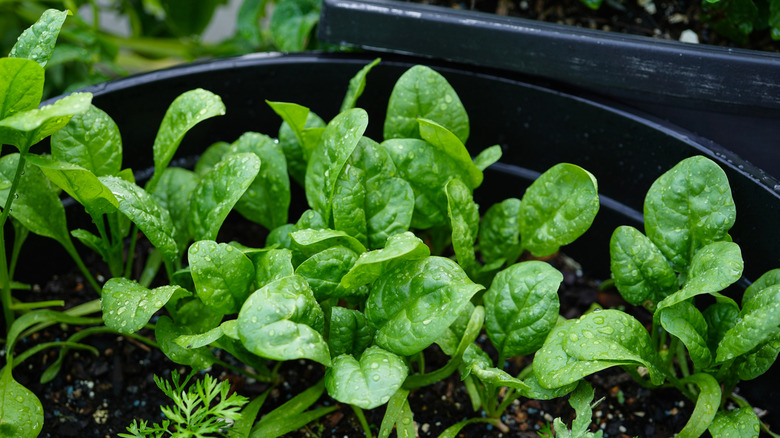
Spinach (Spinacia oleracea) loves rice water. In fact, rice water may serve as a better fertilizer for spinach than animal urine, which itself is an increasingly popular waste fertilizer for vegetables in some areas. This is another leafy green that benefits from the rich nutrient content of washed rice water — in particular, it improves root growth. Just like similar foilage-focused vegetables on this list, rice water also contributes to fuller, healthier leaves.
Tomatoes
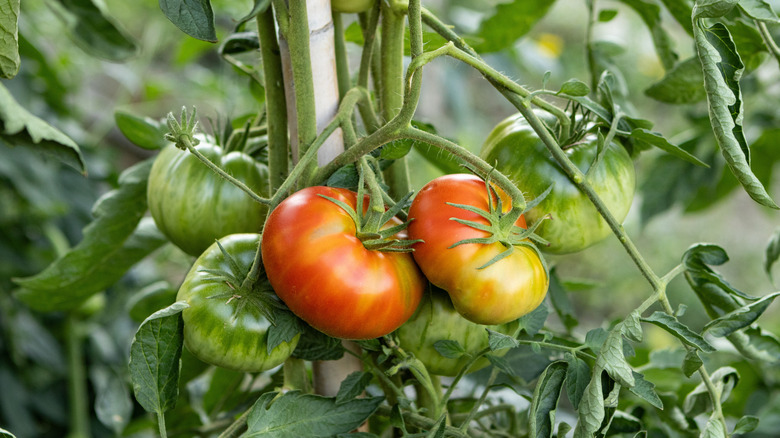
Gardeners, get excited that this forgotten kitchen liquid helps tomato plants thrive, too! Tomatoes are among the plants that show improved fruit growth after being fertilized by rice water. The starches from the rice loosen the soil, allowing the plants to pull up more water — and more nutrients along with it. This makes it a great alternative for organic gardeners who want to save money on or avoid using chemical fertilizers. Don't use it too often, however, or you may attract pests and mold, both of which can harm your tomato plants.
Sweet potatoes
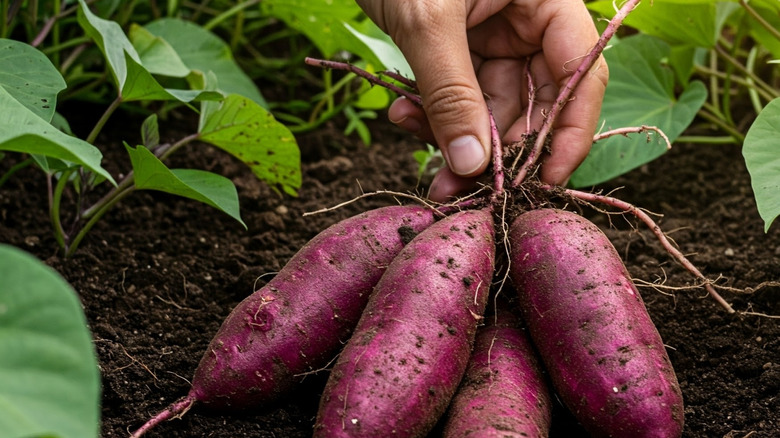
Another tuberous vegetable that benefits from a little rice water is sweet potatoes (Ipomoea batatas). Like many other vegetables, they thrive on the extra nutrients and vitamins found in this natural fertilizer. As mentioned, rice water boosts root and leaf growth. While most people don't think about eating sweet potato leaves, they may be more nutritious than the tuber — they're packed with vitamin B6, vitamin C, and riboflavin. Having more of them is only going to be a good thing!