

Gifted A Plant? Here's Why It May Be Best To Declutter It From Your Home
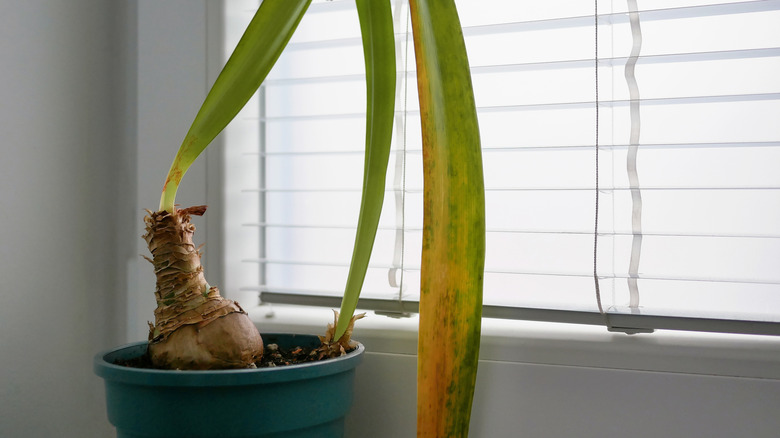
So you received an amaryllis (Hippeastrum spp.) for some holiday cheer, but it's now a sad-looking plant sitting in your window and you don't know what to do with it. Or a potted chrysanthemum that a thoughtful relative gave you this fall is now looking ratty, but you're reluctant to throw it out because you've heard that mums can thrive for years to come. Or on Valentine's Day, your sweetheart graced your tiny apartment with a miniature rose plant, but your workstation is already too crowded for you to keep it there. Not only is removing those plants from your living quarters a good way to declutter your home, but it's sometimes the smartest way to get your plant to continue thriving. Some plants are just not meant to remain indoors year-round, so you're not doing them or yourself any good by leaving them where they are.
If the plant that you've kept indoors is an annual, there's not much you can do to keep it alive after it dies back. Compost it. But perennials are a different story. Depending on where you live, some indoor perennials truly should remain indoors. Plants that have evolved in the tropics are not likely going to survive outdoors in a harsh Minnesota winter. But plants that are well-adapted to the climate you live in will likely do better outdoors than inside your home. A plant that thrives in the cold climates of the Northeast may need winter dormancy that it won't get indoors, while a plant that enjoys the heat and humidity of a Florida summer could easily dry out or fail to rebloom in your air-conditioned home.
Indoor plants that benefit from being moved outside
Roses, Christmas cacti (Schlumbergera x buckleyi), and other ornamental perennials often grown indoors can profit from spending the summer outdoors, where the sunshine is likely brighter and humidity is higher. Once it's warm enough to roughly equate your indoor temperature, move them to a protected location away from direct sunlight and out of the wind for a few days so they don't dry out too quickly or end up with scorched leaves.
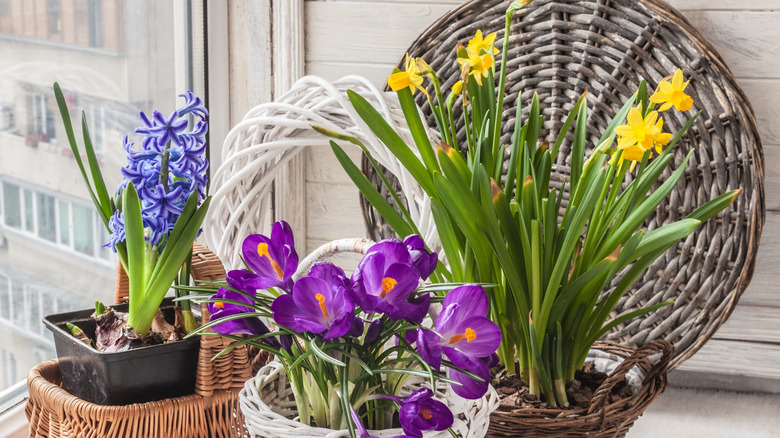
Bulbs like daffodils (Narcissus spp.), crocuses, and hyacinths are often grown indoors without any soil so that they bloom out of season. They need a period of cold dormancy so they bloom the following year. Once they've stopped blooming, deadhead the flowers so that the plant doesn't produce seeds. Cut back the leaves and stems once they've turned yellow. If your ground isn't frozen, you can plant the bulbs outdoors. Otherwise, remove them from their container and let them dry out, and then store them in a cool, dry, dark place until you can plant them outdoors in the fall.
Unlike many other bulbs, amaryllis doesn't need cold storage, but it still needs a period of dormancy to rebloom. You can keep your amaryllis as a houseplant after it's bloomed, but it will likely receive more sunshine outdoors. Once there's no longer a threat of frost, place your amaryllis (pot and all) in a sunny, protected spot outdoors all summer so that it can regrow its bulb. In late summer or early fall, move the pot indoors to a cool, dark, and dry location, and cease watering it so that it goes dormant for two to three months. Refresh the soil and begin watering again to encourage it to grow and rebloom.