

10 Housing Markets Predicted To Heat Up In 2026, According To Zillow Data

Zillow released its annual hottest-market forecast for 2026, and this year's report offered some surprises compared with previous years. After two years at the top of the list, Buffalo, New York, lost the top spot to Hartford, Connecticut. The real estate listing company expects competition to be the hottest in the Northeast and the Bay Area due to a lack of new housing construction. For buyers, that means being as financially prepared as possible before touring that first property. Sellers in those markets, on the other hand, will likely see fewer price cuts and less time spent on the market.
Zillow's annual market analysis ranks the nation's 50 most populous metros based on several factors. The analysis considers home price growth, 2025 data, and job growth for each metro area. The company uses both past and expected home price growth in its calculations. It also analyses 2025 housing market competition data collected from its own platform. This data includes how quickly homes in each metro area sold, how often sellers cut the prices of their homes, and the number of homes that sold for over the asking price. The analysis also takes job growth per new home permitted into account. All of these factors help Zillow build its annual report. Here are the housing markets predicted to heat up in 2026.
Hartford, Connecticut is Zillow's hottest market for 2026
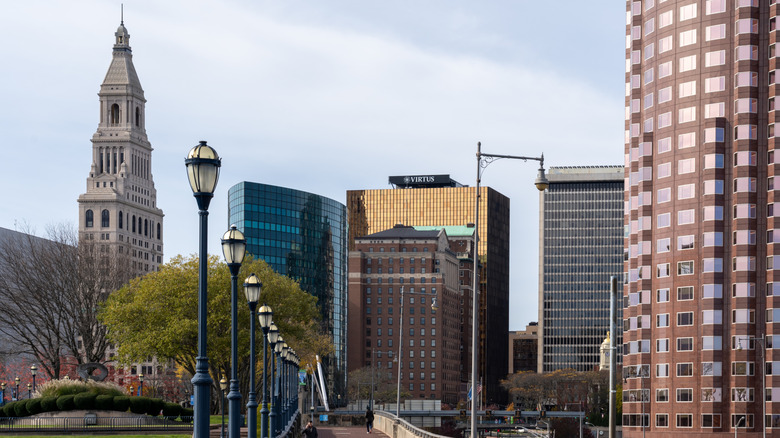
Hartford beat out Buffalo for the coveted number-one spot on Zillow's list. The company predicts Connecticut's capital will lead the country in price growth at 3.9% annually for 2026. This is good news for both sellers and new buyers, who will see their investment start growing right away after the papers are signed. Of the homes sold in 2025, 66.4% sold for more than the listing price. That means two-thirds of sellers walked away with more than what they initially asked for their home.
The Insurance Capital of the World has a number of historic districts, which means loads of older homes (including Mark Twain's home) with charming details. Communities often try to preserve the history of the properties in the area by enacting restrictive covenants. These legal agreements set standards for property upkeep and exterior design, and they're common in planned communities and homeowners' associations. Covenants in historic districts may also limit interior choices, such as paint colors and renovations. Before buying, ask to see a home's covenant, if it has one. If you're already planning renovations, the last thing you want is to find out too late that you can't do exactly what you want in your own home.
Buffalo, New York loses its title but stays competitive
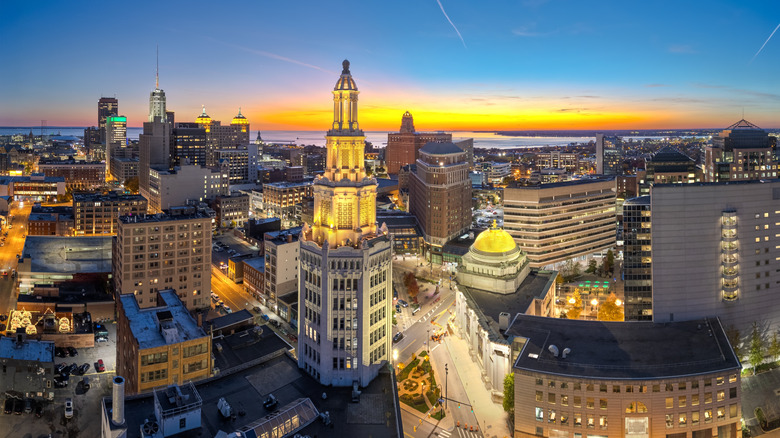
Buffalo may not be at the top of Zillow's list for 2026, but it certainly didn't fall far. The city had the highest competition value on Zillow's market heat index, which measures competition value in major metros, at 95.8%. Sellers also saw their home values grow 3.7% year-over-year. Buffalo does have the lowest home value index of any other city on this list at $277,499, but don't let the number fool you. The City of Good Neighbors is expected to be a tough place for buyers in 2026.
Buffalo prides itself on community spirit, which is how it got its nickname. As a result, there are few unfriendly places to settle in the city. Elmwood Village, with its many bars, restaurants, parks, and shops, routinely ranks as a favorite, closely followed by Allentown and Park Meadow. When thinking about a neighborhood's value, don't forget to factor in your long-term plans. Being so close to all the festivals, restaurants, shops, and bars in Elmwood Village may be a highlight when you're childless and can easily walk anywhere, but those feelings could change quickly. Suddenly, nightlife means noise at late hours of the night. A festival blocks traffic and makes parking harder to find. It's hard to predict the future, but remember to keep your future self in mind when buying a home.
New York sellers aren't cutting prices
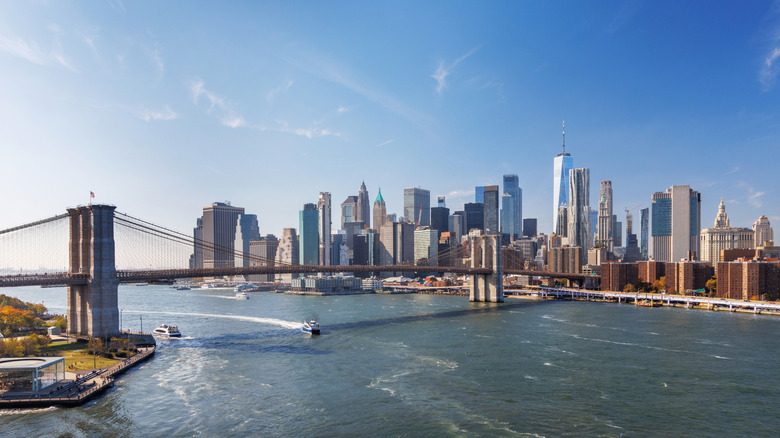
It's hard to imagine that the New York metro area, which includes parts of New Jersey and Pennsylvania, ever fell below the 10th spot on Zillow's ranking. The city has a reputation for being notoriously expensive. For 2026, the Big Apple jumped to the number-three spot, up from 41 in 2025. This rise in the rank came from a positive home price forecast, strong employment, and a low share of listings with a price cut, the lowest of major metros, at 13.5%. That's very good news for sellers.
There's no shortage of interesting, exciting, and family-friendly places to live in the New York City metro area. Neighborhoods like Greenwich Village, Harlem, Williamsburg, and Astoria top many favorite-neighborhood lists, and each has its benefits and drawbacks. Don't forget that New Jersey and Pennsylvania are also options for buyers to keep in mind when looking for a home on Zillow. Although living in the city can feel glamorous, it might not be as important if working remotely is an option or more space is necessary.
Providence, Rhode Island to see 3% home growth
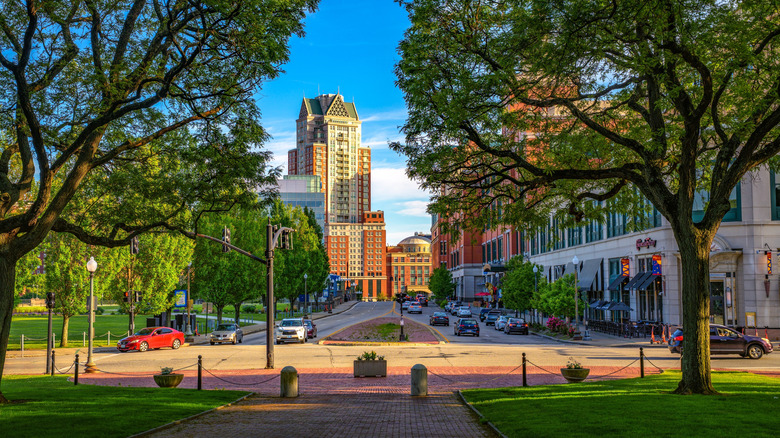
Providence, Rhode Island, dropped from number three in 2025 to four on this annual list. Its home values are expected to grow by 2.5% year-over-year in 2026, according to Zillow. Not all hope is lost for buyers. The market heat index for the city sits at 70%, the lowest of the top five markets on the list. That doesn't mean that buyers have the advantage. The pressure, however, may not feel as intense in 2026 as it has in previous years.
Providence benefits from its college-town feel and its close proximity to other big cities, such as Boston, Newport, Rhode Island, and even New York City. The Renaissance City is home to both Brown University and the Rhode Island School of Design, which means new cafes and restaurants are always popping up to accommodate students. The surrounding neighborhoods of College Hill and Thayer Street offer amazing hilltop views of downtown. Across town, the newly revitalized West End hosts some of the city's coolest new restaurants and breweries.
San Jose, California sees high competition
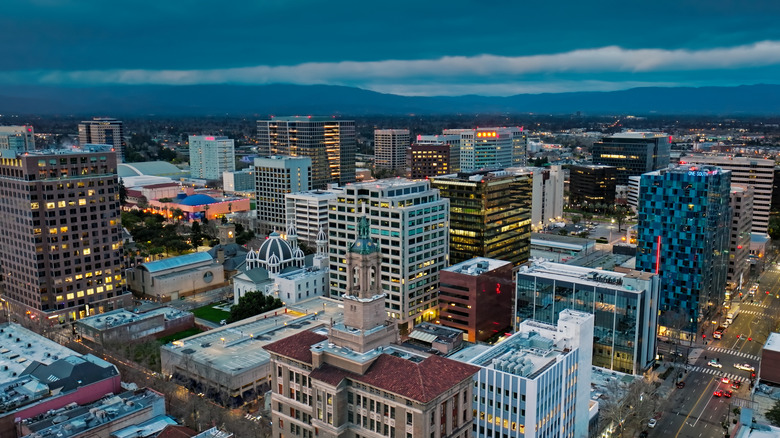
San. Jose, California, has no competition when it comes to the most expensive homes on the list. The Zillow Home Value Index, based on the most recent data from October 2025, placed the average home value at $1,558,466 in the city. Although the year-over-year growth was -2.1%, Zillow forecasted a 1.2% year-over-year increase for the area in 2026. Additionally, San Jose scored a 90.6% on the heat index. All this to say that the capital of Silicon Valley is going to be a tough place for buyers.
Named the safest U.S. city to live in for 2025, San Jose's prominent spot in the tech industry means there's no shortage of interesting areas. Willow Glen, to the south of downtown, presents would-be buyers with small-town appeal with big-city access. It's home to a number of bustling shops and restaurants serving foods from around the world, making this area a cultural hub. West San Jose will be more affluent and more expensive, but for architecture and thriller fans, it's also home to the famed Winchester Mystery House.
Philadelphia sees less competition for buyers
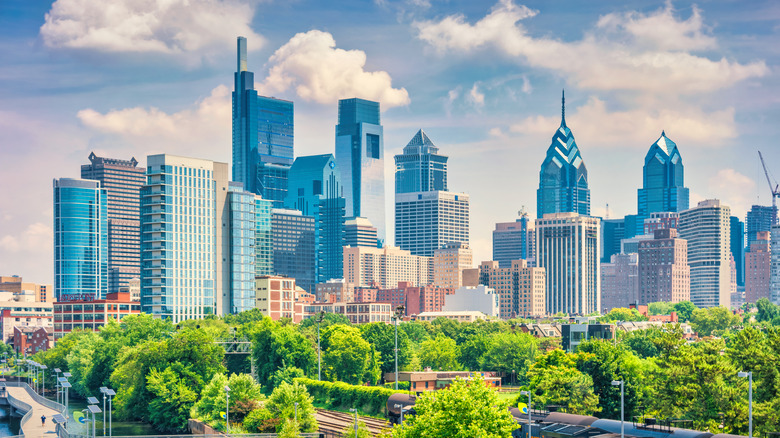
Buyers in Philadelphia have some good news coming their way. The City of Brotherly Love had a heat index of 59.8%, the lowest of any metro area on Zillow's list. This might give Philly buyers some breathing room as they search for their perfect home. However, it's not all bad news for homeowners. Many saw a 3% year-over-year growth in October 2025, which means their home values will be strong in 2026. The forecasted growth for the city's homes landed at 1.7%, which puts new owners in a good position for building equity as well.
Philadelphia may be one of the most historic cities on this list (apart from number seven). It's an especially great city for history buffs. Most will be ready to visit Independence Hall and see the crack in the Liberty Bell, but there's so much more to see. Literary fans will want to visit Edgar Allen Poe's home. For art lovers, Philly artists have covered city walls in beautiful murals, which can be found in many different neighborhoods.
Boston home values expected to stay high and grow
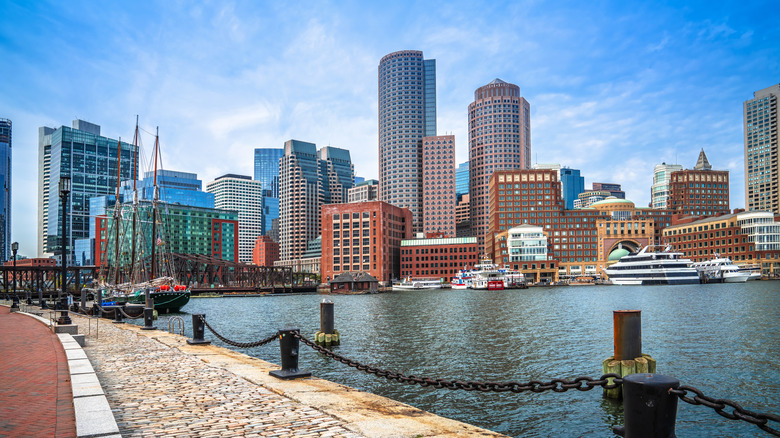
Boston has never been known for inexpensive real estate in modern times, and that tradition will continue in 2026. The city has the third-largest home value index at $717,711, which means buyers will need a substantial amount for a down payment ready to go if they want to get into this market. Competition is also high at 75.2%. Not surprisingly, sellers and new buyers can expect their home values to grow by 1.5% year-over-year in October 2026. If prospective buyers were hoping for a break in Boston, then they'll have to wait at least another year for it.
Boston may be expensive, but its charms make living there worth it. Bean Town, as it's affectionately known, blends history and tech together. It's the only place where the biotech workers can meet along the Freedom Trail for happy hour drinks. In addition to popular neighborhoods like Beacon Hill and Back Bay, South Boston has become a favorite for young professionals as an up-and-coming neighborhood, especially with big plans in the works for the Gillette campus. South End serves as the city's arts and culture hub with plenty of galleries, trendy shops, and restaurants.
Los Angeles sees opportunities for first-time buyers
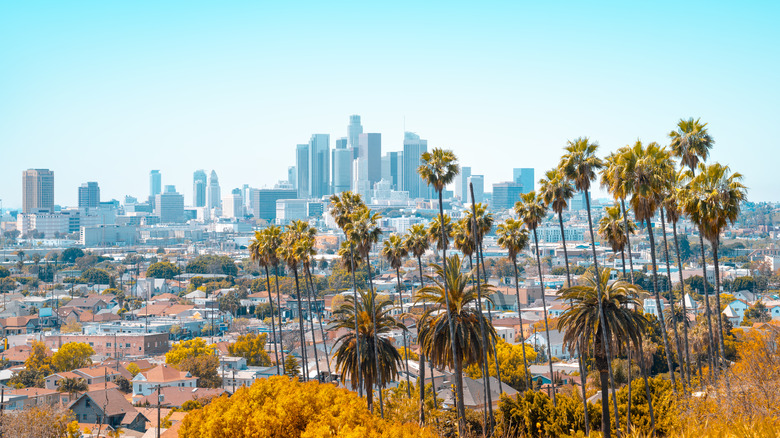
Like New York, Los Angeles had fallen off Zillow's list, but it's back in a big way for 2026. The City of Angels jumped up from number 34 the previous year to land in the eighth spot. Homes in the area averaged at $941,869, the second-highest of any city on the 2026 list. Year-over-year growth rates for October 2025 actually dipped by -1.2%, but in 2026, new owners can expect a 1.1% increase. One bit of good news for buyers? The heat index sits at 63.4%, which isn't bad for an area as massive as L.A.
Buyers may feel as if no neighborhood in Los Angeles can ever be considered affordable, and that's partially true. Of course, neighborhoods such as Santa Monica and Beverly Hills will have homes listed for $2 and $3 million. Those values are highly unlikely to decrease any time soon. However, there are more affordable areas. Highland Park and North Hollywood, for example, can be great options for first-time buyers with budgets under $1 million. They both have hip restaurants and good public transportation, making getting around more bearable. Remember, time is money. Living near and using public transportation can save money versus sitting in that notorious L.A. traffic, and not having to drive frees up time to read or even take a quick nap.
Richmond, Virginia stays the course
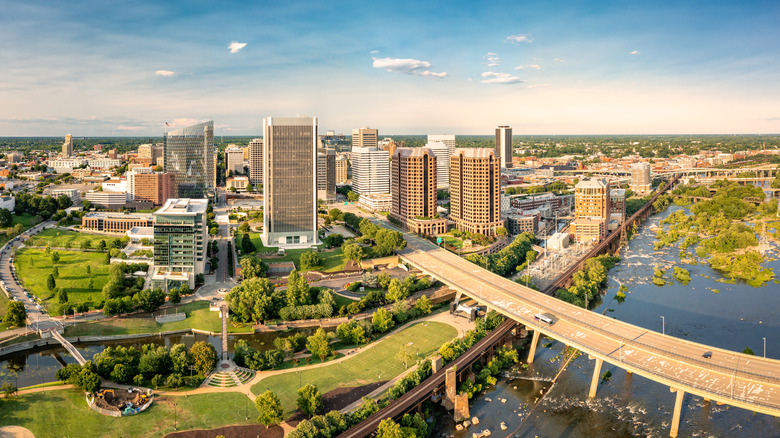
For the second year in a row, Richmond, Virginia, claimed the ninth spot on Zillow's annual list. Homeowners saw a 1.3% growth rate year-over-year in October 2025, and that's predicted to jump by almost a full percentage point to 2.1% in 2026. Richmond homes are also considered far more affordable than most of the others on this list. Its home value index is $383,275, which isn't free but is also far below Boston or Los Angeles. Competition comes in on the lower end at 69.1%, giving buyers some opportunities to make a deal.
Richmond buyers have great neighborhood options and fun things to do. The city serves as Virginia's capital, so there's usually plenty of activity happening around town. The Church Hill, Carver, and Jackson Ward neighborhoods are great for museum lovers and history buffs. Richmond may not be the first city that comes to mind for most art lovers, but they'd be missing out. The Monroe Ward and Shockoe Bottom neighborhoods host thriving communities of artists and galleries.
Milwaukee home prices grow as competition stays low

Milwaukee finds itself in a great spot for 2026. The city was tied with Buffalo for the highest home value growth year-over-year in October 2025 at 3.7%, which was also the second-highest percentage increase on Zillow's list behind Hartford's 4.3%. Sellers and new buyers are anticipated to see a solid 2.1% home value growth in 2026. Yet, competition remains slightly lighter at 65.2%. Of all the cities on the list, Milwaukee has the lowest home value index at $369,303. This means buyers need less for a downpayment to make it into this market.
Milwaukee offers tons of big-city benefits infused with natural charm, thanks to its proximity to Lake Michigan. The freshwater access means nature enthusiasts will have hiking and biking trails nearby, as well as many scenic stops along the lakefront, such as the Milwaukee Art Museum or Lakeshore State Park. Downtown Milwaukee doesn't have any beaches, but Bradford Beach to the north and Grant Park Beach on the south side are nearby. The best neighborhoods for waterfront access include Bay View, Harbor View, and Historic Third Ward.
Is it a buyer or a sellers market?

Buyers and sellers often hear from their realtors how their area is in a buyer's or seller's market. But those terms can be meaningless if you've never bought a house or haven't sold one in quite some time. A buyer's market means that there are more houses for sale than there are people trying to buy them. Buyers have an advantage over sellers and will be in a better position to negotiate. In a seller's market, the opposite is true. Fewer homes and more people looking to buy them gives sellers the upper hand in negotiating price and other selling factors.
Most of the cities on Zillow's list fall into the seller's market category. With the company's data, however, it's important to weigh all factors. A lower competition score means buyers might have fewer offers to compete with when they bid on a home. A low price cut score, however, should be good news to sellers who can expect to get what they asked for on their properties. A higher growth value percentage is great for sellers, but it's also good news for buyers. It means that even if they bought a starter home in 2026, that equity will increase quickly.
Tips for buyers looking in these markets
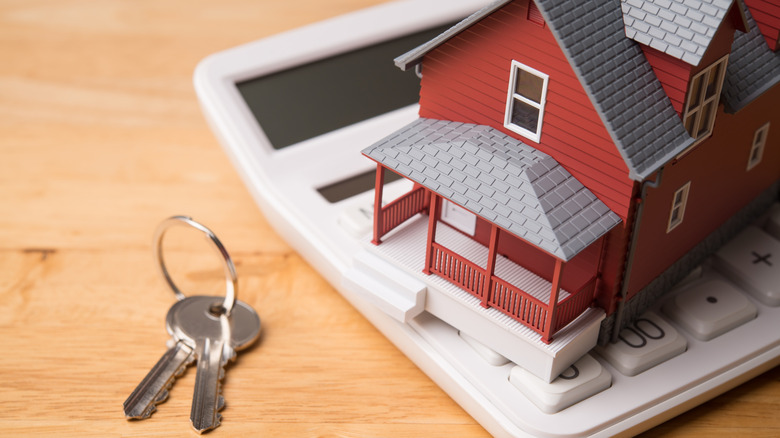
Buyers in the Hartford or Buffalo areas will certainly have their work cut out for them. The best thing they can do to set themselves up for success when buying a home is to get prequalified for a mortgage. This process will help determine how much you can afford. It may also help edge out other offers from unqualified buyers while assuring your seller that your offer is unlikely to hit financial roadblocks.
Touring homes can be a dizzying process. So many features and opportunities can leave buyers reeling and ignoring glaring signs that they may be buying the wrong home. Purchasing property is a huge investment and not an easy one to fix if you choose the wrong one. Before you start scheduling visits, create a list of the must-haves a property needs to put in an offer. Your must-haves can include anything that feels vital to you, such as the number of bedrooms, the walkability of the area, or the school district. This list represents the gatekeeper. No property that doesn't meet those must-haves should be toured. It's easy to be swept away by a charming front porch or an upgraded kitchen, but you don't want to be stuck with a home that doesn't meet the basic needs of your life. Having this list handy will help keep you focused on what really matters and avoid properties that only look good on paper.
Tips for sellers listing in these markets
Homeowners in a seller's market may be rejoicing, but that doesn't mean there shouldn't be any effort put into selling the property. Having a trusted realtor will pay off in more ways than one. He or she can help you make a plan for sprucing up your home's curb appeal and identifying common eyesores that will make your home harder to sell. This doesn't mean you need to renovate an entire room. Little changes can make a big impact. Repainting, performing minor repairs, and depersonalizing the space make it easier for would-be buyers to imagine themselves and their belongings in the home. That could be the difference between one and four offers.
A realtor can also provide guidance on where and when to list the home. He or she will handle listing the property on a Multiple Listing Service, a database real estate agents use to share their listings with other agents, buyers, and sites like Zillow. This maximizes the exposure of your home, increasing the chances for a faster sale and a better price. The timing of the market should also be discussed with your realtor. Most professionals advise clients to sell in late spring, just before school lets out. The nice weather, combined with fewer school obligations, means more buyers will be ready to move.