

I've Been Gardening For Over 20 Years. Here Is The Biggest Mistake I've Ever Made With My Garden Soil
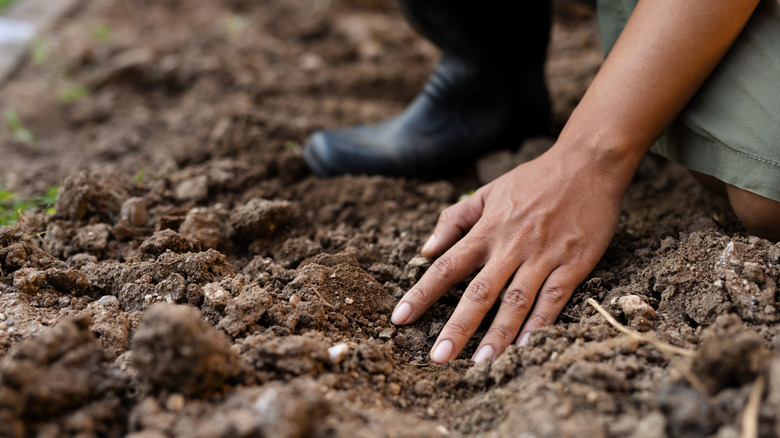
After decades of gardening, I would like to think that I have already made all the possible mistakes. It's a silly dream, of course, because there's no limit to the number of mistakes you can make in a garden. In the early days of my gardening adventures, I did what everyone does: I tilled the soil, added fertilizer, created rows for planting, and grew the same things everyone else in my area did. And the results were ... fine. I got some decent harvests, but I also battled weeds, pests, drought, and disease. The constant challenges and missteps that come with gardening are what keep me interested, but the biggest mistake I made in my garden for many years was not mulching.
Most of the soil where I live is dense clay, which either holds too much water in the rainy season or it cracks when it's dry. I've worked in a lot of gardens in my time volunteering as a Master Gardener, and once I started training, I discovered that the garden beds with the best soil were always mulched. Brushing away those few top inches of natural mulch revealed consistently moist soil, rich with earthworms and mycorrhizal fungi — gardening gold. For those of us who love the feel of soil between our fingers, this is paradise. Skipping this top layer is a mistake you want to avoid as a beginner gardener. Eventually, I went back to the big clumps of clay in my garden and knew what I had to do.
How mulching makes garden soil healthier
I have a good reason for not mulching my garden in the early years of learning. I grew up in my grandpa's garden, and he never mulched. He had neat rows of beautiful, healthy plants. He also spent his free time after work and on the weekends in the garden pulling weeds and tilling up the space between rows to keep it tidy. I think he actually enjoyed that outdoor time, but I don't want to spend all my free time battling weeds.
When it comes to soil health, tilling soil too frequently can make it even more compacted. And, bare soil speeds up evaporation, making it more difficult to keep your plants watered in the heat of summer. Experienced gardeners know this, but it's also backed by science: A 2- to 4-inch layer of natural mulch can reduce moisture evaporation by up to 40% compared to exposed soil, according to a study done by Michael Scott McMillen at California Polytechnic State University.
If your garden is even slightly sloped, mulch can also help prevent and fix erosion issues in your yard. Bare soil will wash away in heavy rain if there's nothing to protect or anchor it. A layer of mulch slows the speed at which rain hits the ground, while absorbing much of the moisture itself. This protective layer also keeps fungal spores in the soil from splashing on plants, preventing diseases like tomato blight. The wet organic matter of garden mulch will break down over time, conditioning the soil, adding nutrients, and encouraging the growth of beneficial microbes.
Types of mulch to improve your garden soil year after year
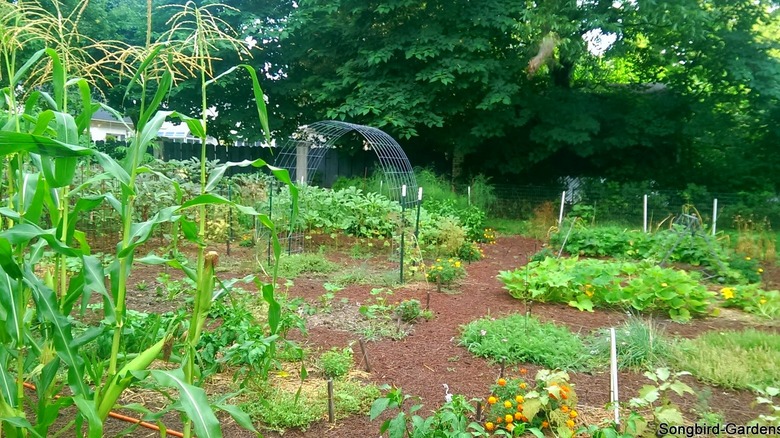
I could talk about mulch all day, but I will try to keep this concise by starting with the types of mulch you shouldn't use in the garden. Avoid inorganic materials, like plastic and rubber — you won't get any of the benefits I've mentioned with these options. Treated or stained wood chips should also be avoided. All of these products can leech chemicals into the soil and do more harm than good.
One of the best ingredients to use in your DIY mulch is pine straw (a.k.a. pine needles). They break down slowly, but are still easy to work into the soil at the end of the season. Pine straw also has no seeds that will sprout, but perhaps the best part is the smell. A garden mulched with pine straw warmed by the sun is a treat for all the senses — beautiful plants combined with the scent of a pine forest. It's absolutely glorious. Unfortunately, depending on where you live, pine straw may be difficult to find or expensive, but there are other good options.
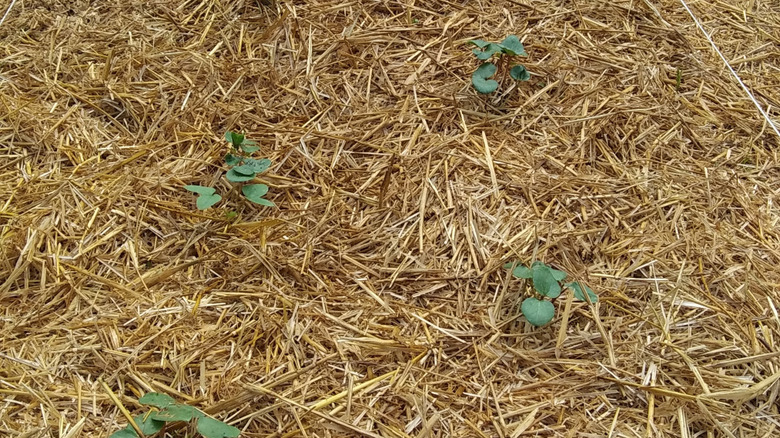
Straw — not hay! — is usually widely available and very affordable, making it a good option for larger in-ground gardens. Straw sometimes contains seeds that will sprout, but in my experience, it's a minor inconvenience compared to the issues of bare soil. Natural wood chips are also an excellent option, although they will take much longer to decompose. You can save money by buying them in bulk. Whether you've got a big in-ground garden, or a few raised beds, your soil will thank you for adding a few inches of mulch.