

The National Garden Bureau's 2026 Edible Plant Of The Year Is A Bold & Flavorful Choice
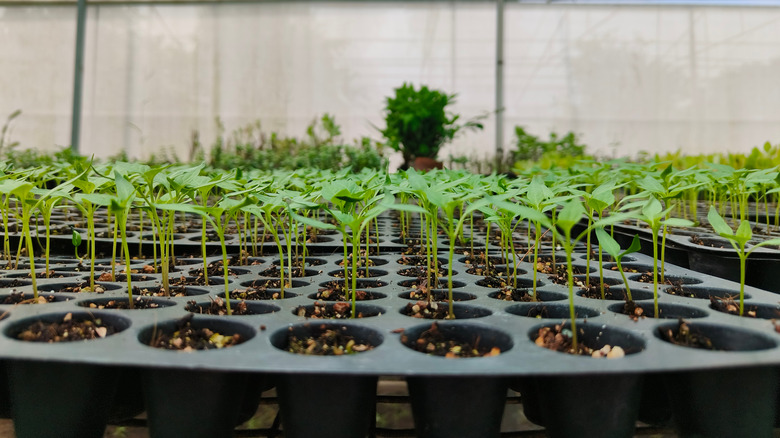
Every year, the National Garden Bureau selects one annual plant, one perennial, one bulb crop, one edible plant, one houseplant, and one shrub for its "Year of the" winners. For 2026's edible category, the Bureau has gone bold, selecting a versatile plant that has its own cult following and its own spice measurement scale. Since it also has a spelling that few people can agree on, the National Garden Bureau has decided to call 2026 the "Year of the Hot Pepper." A bold choice for a bold plant.
Whether you spell it chile, chili, or chilli, Capsicum annuum has been a food crop in Central and South America for the last 7,000 years. You can credit (or blame) Columbus for calling the plant "red pepper" and for its spread to Europe, Africa, and Asia. Humans have cultivated Capsicum annuum to be as mild as the bell pepper (0 on the Scoville heat scale) and so spicy as to be barely edible by even the most hardened connoisseur: 2.6 million on the Scoville scale in the case of Pepper X. This crop's wide range of flavors and spice levels is one of the reasons it's part of so many cuisines around the world. The other is that it's very easy to grow. You can grow pepper plants in containers, in the ground, and even indoors. Make 2026 the year that you grow your own!
How to grow your own hot peppers
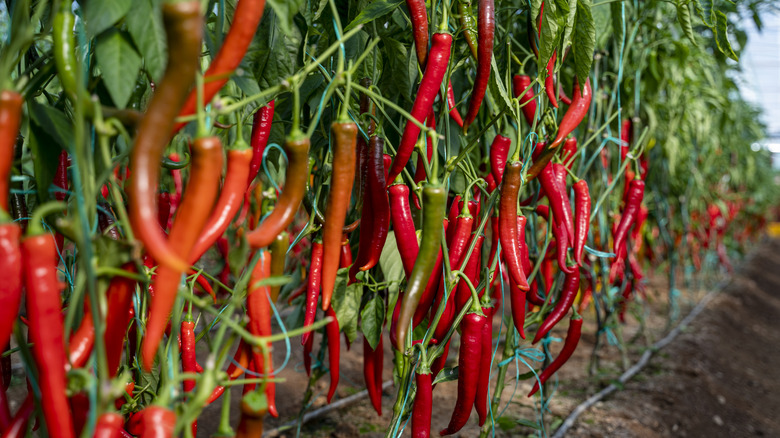
Capsicum annuum is a tender perennial which can grow in USDA hardiness zones 4 through 11. A frost will kill it, so it's often grown as an annual outdoors, but you can also grow it indoors for a year-round harvest. Most garden centers will carry some variety of hot pepper, from those generically labeled "cayenne" or "chili pepper" to those with specific varieties like jalapeño or poblano. If you're unsure about your heat tolerance, consult PepperScale, which ranks hundreds of varieties on the Scoville scale. Seeds purchased in packets will likely give you a wider selection of pepper varieties, but if your grocer carries a variety you like, you can easily remove the seeds from a store-bought pepper and turn it into a flourishing pepper plant.
If you're growing the National Garden Bureau's edible plant of 2026 outdoors (whether in containers or in the ground), plant your peppers soon after the last frost has passed: Hot peppers can take up to 150 days (that's five months!) to reach maturity. Give them plenty of room, as healthy pepper plants can grow from 1 to 4 feet tall and 1 to 2 feet wide. Proper spacing also increases air circulation, which helps peppers resist the fungal disease verticillium wilt.
Grow your plants in a place that receives a full day's sun in soil that's rich, moist, slightly acidic, and well-draining. Keep them well-watered, and once they begin to grow, stake your plants so the fruit doesn't drag on the ground. Harvested peppers can be stored short- or long-term via drying, freezing, or pickling. For a nice Southwestern touch to your home, hang them in bunches in a warm, dry place that's easily accessible for cooking purposes.