

15 Pros & Cons Of Installing An Electric Wall Heater
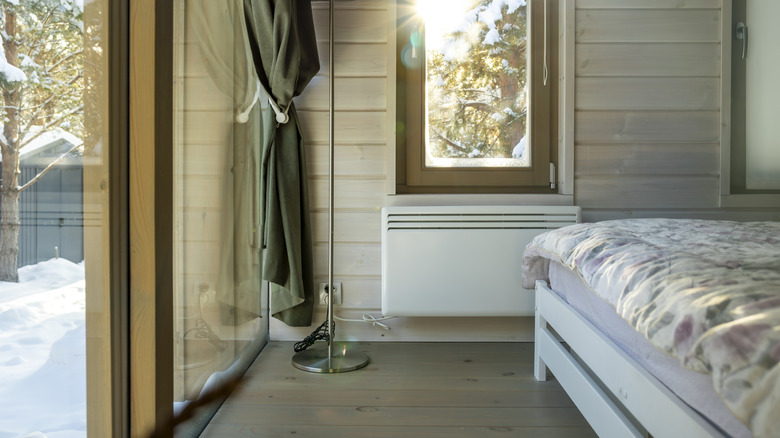
Never before have we had to put so much thought into the way we heat our homes; it's certainly no longer enough to merely know that we won't freeze when winter comes. With a push toward electrification and the increasing burden of energy on our wallets, owners of even the best-heated homes can be forgiven for wondering whether there's a better way to do it. And if that sounds like you, then chances are that you've at least considered the possibility of installing electric wall heaters.
As is so often the case with home improvement, deciding whether electrical heaters or traditional radiators are better for your home depends on a long list of factors. For example, certain types of heaters can make your energy bill skyrocket, so choosing the right type is always important, but it's especially so for budget-conscious buyers. Even with more efficient appliances, electricity tends to be more expensive than oil or natural gas, so that's another mark against electric heaters.
On the other hand, there are also plenty of ticks in favor of modern electric wall heaters. Some, for example, can be hooked up to your smart home network, thus giving you remote control of your home's heating wherever you are in the world. They can be easily installed without a contractor and give you temperature control in different zones of your home. Oh, and compared to other heating systems, such as heat pumps and boilers, the upfront costs of electric heaters are comparatively small.
In short, there's much to consider when deciding which heaters are right for your home. But don't worry. To help you decide, we've pulled together 15 pros and cons of installing electric wall heaters, covering everything from financial considerations and ease of installation to versatility and control.
Electric heaters come with comparatively low upfront costs
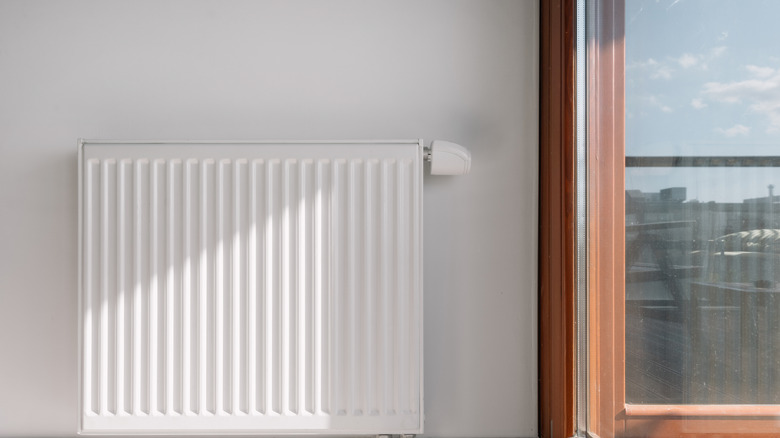
Electric heaters typically cost far less upfront than other heat sources, such as furnaces, heat pumps, and gas boilers. Don't forget that with boilers and heat pumps, you still need to buy and install the radiators to deliver the heat to each room. With electric radiators, since the heating mechanism is located directly inside them, you only need to buy the heaters. This makes electric wall heaters highly attractive to homeowners seeking more warmth while avoiding expensive, heavily involved HVAC renovations.
We should say at this point that, while the upfront costs are lower for electric heaters, they may cost you more in the long run. As you'll see later, certain fuels are currently much cheaper than electricity. Not only that, but there are also other systems that, in the long-term, are much more efficient. But if you need a short-term fix to your heating problem and you're on a budget, then electric heaters are likely to be the best solution.
Electric wall heaters can be easily installed without hiring a contractor
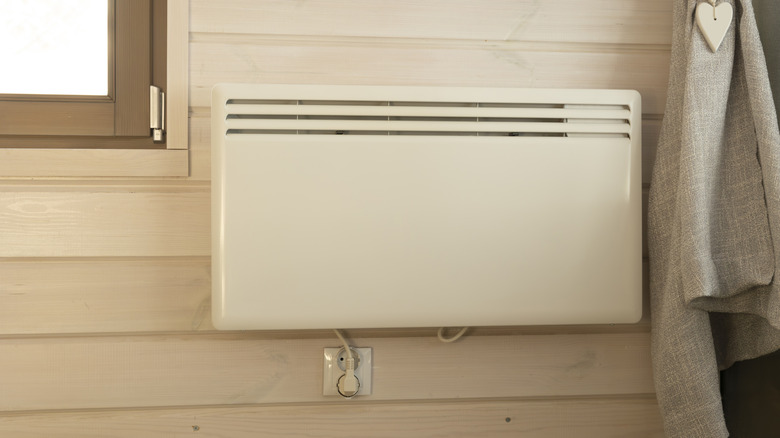
One of the best pieces of advice we can give you when it comes to installing new heating is that, unless you're a professional, you are almost guaranteed to regret installing your own HVAC system. There's simply too much that can go wrong and so many aspects that you need to get right in order for the system to be effective. Depending on the size of your house, the job can also be incredibly time-consuming and complex.
This may not be what you want to hear, especially if you're working on a budget and therefore can't justify the cost of a professional contractor. Fortunately, with electric heaters, all you really need is a basic DIY tool collection, and you should be able to install them by yourself. In fact, in most cases, electric heaters are "plug and play," meaning that all you actually need to do is mount them on a wall near a power outlet.
Electric heaters are 100% energy efficient at the point of use
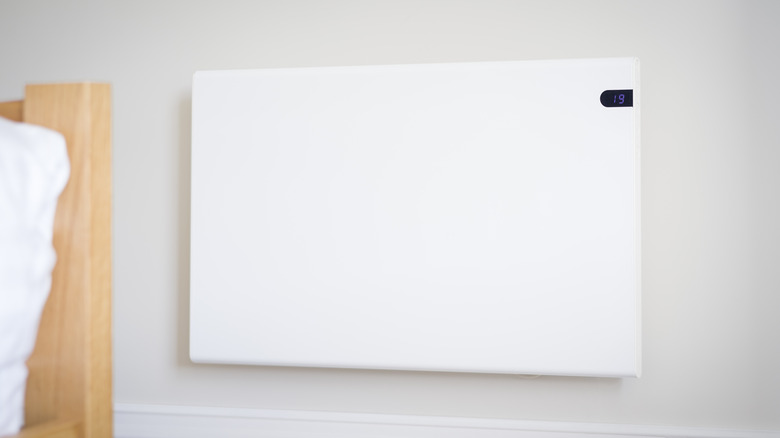
This sounds impressive, and in many ways, it is. It means that for every unit of energy that an electric heater consumes, it produces precisely one unit of heat. Unlike other systems, electric heaters lose no energy to exhaust gases or fumes, which in turn makes their performance (and running costs) much more predictable in all weathers.
Since eclectic wall heaters are so efficient, they are also a superb choice for homeowners who want to heat their home more cleanly and environmentally responsibly. However, it's only responsible if your utility provider draws its energy from clean sources, such as wind, nuclear, or solar power. If the energy comes from natural gas or coal, then you might have a hard time selling your heating as an environmentally friendly alternative to more conventional systems.
Electric wall heaters can be isolated to heat just one or two rooms
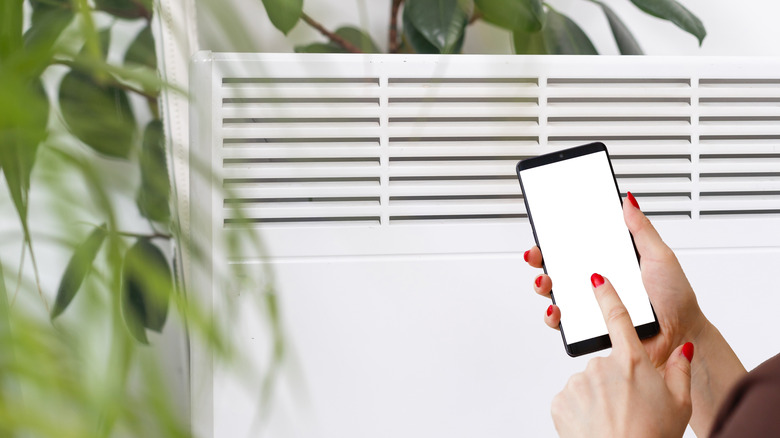
This is a big perk of electric wall heaters versus centralized heating systems. Since they are switched on and off at the wall, electric heaters can be used effectively to heat specific zones. This is ideal if you have certain rooms, like a guest bedroom or a home office, that don't get used for weeks, or on weekends, and that don't need constant heating in line with the rest of the house.
This zonal heating ability also means that, should one room suddenly become chilly when the rest of the house is comfortable, then you needn't fire up the boiler in order to heat just one area. It's also a boon to new families who need to keep their child's nursery warm at all times during the day, even when the rest of the house doesn't need it.
Wall-mounted electric radiators can help you save space
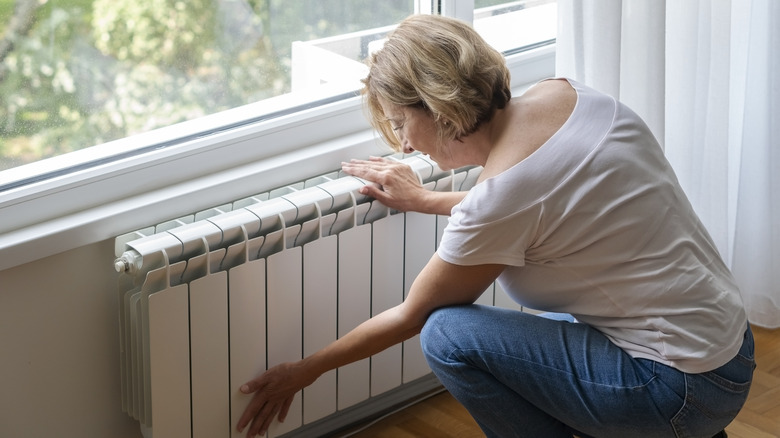
Electric wall heaters, per the name, are typically mounted on the wall, which saves lots of space versus freestanding heaters. This makes them ideal for smaller homes, like apartments and condos. Not only that, but they also don't require you to find room for a space-greedy boiler, nor for an outdoor oil or gas tank.
Even heat pumps, despite their growing popularity among homeowners looking for a greener, more efficient way of heating their homes, require a considerable amount of space to function. For starters, they need a tank to store hot water, plus space outside to house the pump, including a certain amount of clearance to ensure they're safe. Even if you have this room to spare, a heat pump is unlikely to blend well into the natural surroundings of your garden. And if you don't have the space, then a heat pump is simply not an option. Electric radiators, by contrast, are far easier to integrate into existing home layouts, requiring nothing more than space on your walls to mount them.
Electric wall heaters come with very few maintenance requirements
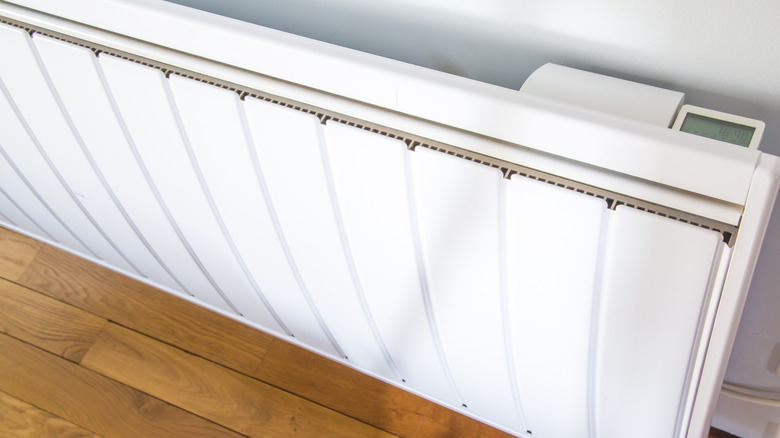
With electric wall heaters, what you see is what you get. What we mean is that there are no hidden networks of plumbing running behind your walls or under your floors. Nor are there complicated boilers or pumps to worry about keeping maintained and serviced. The heaters themselves have no burners, filters, fuel tanks, or moving parts, which means an even lower risk of breakdown.
With heat pumps and boilers, on the other hand, you need to ensure that the plumbing is kept in tip-top condition. There are several maintenance tasks you need to perform to ensure your radiators last, like bleeding, and the pumps and boilers themselves require frequent servicing — usually at least once per year. All in all, this makes maintaining electric radiators much cheaper and easier than those powered by boilers or heat pumps.
Sound disturbance is minimal from wall-mounted electric heaters
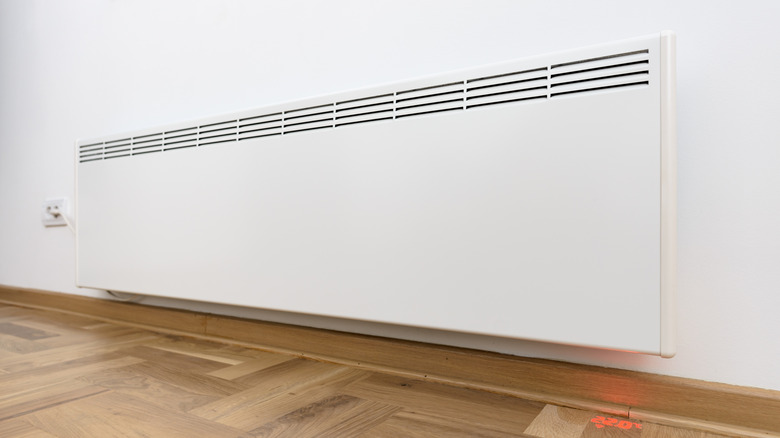
Clanking pipes are one of the most common house noises in homes fitted with traditional water-fed heaters, especially during the winter. With electric heaters, since many of them operate without the use of fans or blowers — and require no ignition or airflow (like a gas boiler) in order to run — such disturbances are kept to a minimum. That's not to say that they're completely silent. However, the lack of moving parts and complicated operational requirements certainly helps to keep the noise down. This makes them especially useful in areas where silence is golden, such as nurseries and bedrooms.
It's not only indoors that electric wall heaters win out in terms of noise pollution. With a heat pump, for example, you can usually expect at least a low-level hum. This may not be a problem if you have a large yard and can therefore position your pump away from your main seating area. But if you don't, then it's likely to get annoying, especially if the pump is also positioned directly beneath one of your bedroom windows.
Smart heaters make heating your home easier and more efficient
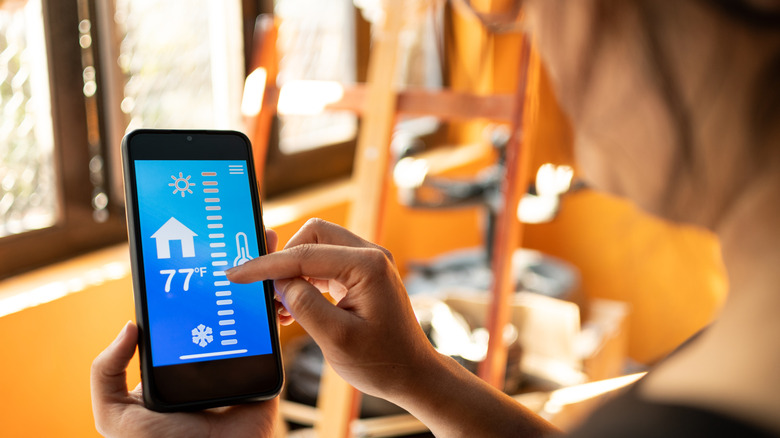
If you're already taking steps toward turning your house into a smart home, then electrical heating may well be the final piece in the puzzle. Sure, you may need to spend a little more to purchase "smart" heaters over standard appliances. But in doing so, you'll make it much easier to heat your home.
By integrating your heating into your smart home network, you can adjust and automate the times at which the heaters turn on and off. You can do it remotely, too — wherever you are in the world. And while you can also do this with more traditional heating systems and thermostats, you'll often find that electric smart heaters are much more efficient and customizable. For example, via your smartphone, you can set specific rooms to heat at specific times, rather than setting the whole system to come on. Your bedrooms could be heated an hour or so before bed, and your living room for the hours in the evening that you like to sit and watch TV. Your bathroom can be set to warm itself when you get up in the morning, and your kitchen can be comfortable for the hour during which your kids gather before school.
Even if you want to keep your whole house at an even temperature, electric heaters do this more efficiently than central heating systems. A standard thermostat, connected to several radiators, will cause the heating system to turn on when the room in which it's installed cools below a certain temperature — even if the rest of the house is warm. With electric heaters, each one has its own in-built thermostat, meaning each radiator will only ever turn on when the specific space around it needs it to.
Electric radiators require no water or pipework
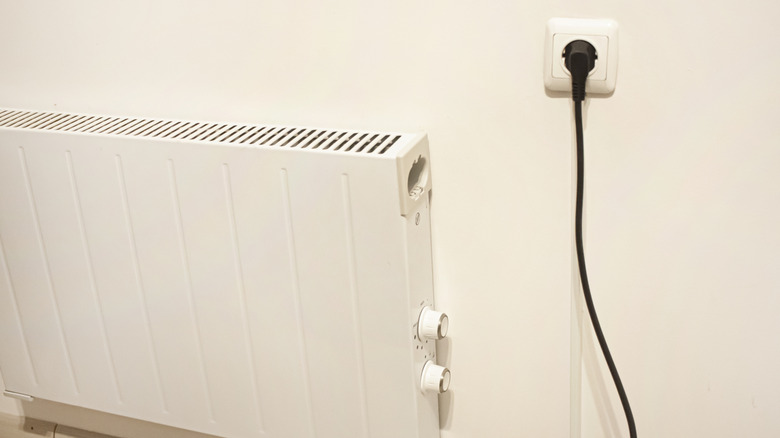
If you're planning a home renovation and need a heating system that you can install yourself, then electric heating is almost certainly the most DIY-friendly solution. Traditional central heating with plumbing is a project that's best left to the professionals, and if your budget can't stretch to include a contractor, then you're far better off striking a boiler from your "maybe" list.
Even with a professional handling the installation for you, traditional radiators and plumbing come with the inherent risk of leaks. What's more, they require frequent bleeding to remove trapped air and keep them working optimally. Boilers (and heat pumps) can also go wrong, and even if they don't, they require annual servicing. Compare this to electric heaters, which you can install yourself, and which come with no risk of leaky pipes or broken-down boilers, and if you're a DIYer operating on a budget, they really are the obvious choice.
While upfront costs are lower, the costs of running electric heaters can outstrip those of other systems
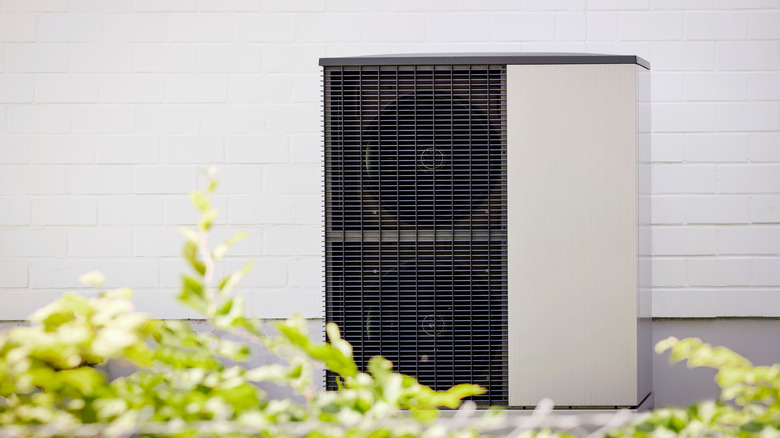
We mentioned earlier that electric heaters are 100% efficient, and that is absolutely true. Unfortunately, while 100% efficiency sounds impressive, they nevertheless cost significantly more to run in the long term than other systems, such as heat pumps and boilers. To understand why, let's take a look at heat pumps.
While the price of the unit and the installation cost considerably more for a heat pump than for an electric heater, heat pumps are actually about 300% efficient, with some users reporting 400% efficiency. In other words, they are three, perhaps even four times as efficient as electric heaters based on the amount of energy they use to operate, meaning that in the long run, you stand to spend considerably less on energy to heat your home with a pump versus with electric wall heaters.
The cost of electricity is much higher than natural gas
We think it's fairly reasonable to assume you're reading this guide to discern whether electric heaters are the cheapest way to heat your home in the winter. While the answer isn't quite as straightforward as "yes" or "no," the general consensus, at least right now, is that, in the long run, they're actually one of the most expensive. They're certainly more expensive than heat pumps, which, despite also using electricity, are more than three times as efficient as standalone electric heaters.
Even gas boilers, despite only being 90% efficient (compared to electric heaters, which are 100% efficient), offer a cheaper means of heating your home. This is because natural gas is currently the cheapest energy source available to households. According to Shrink That Footprint, natural gas heat cost about two to three times less than electric heat on average in 2025 across the United States, though energy prices vary based on where you live.
Some electric heaters can dry out your indoor air

A common mistake that can diminish the quality of your home's air is using the wrong type of heating. Some electric heaters, like convector panel heaters, add abundant warmth to your home. And in the winter, that's great! However, they do it without replenishing the moisture in your air, and this in turn leads to an imbalance in your home's humidity levels.
In turn, this can cause low-humidity issues for you and your family, like dry skin and dry eyes. It may also require you to buy and use a humidifier, which will increase your electricity costs. Now, it's possible to get around this by opting for electric heaters that emit radiant heat. Since these "radiate" heat, rather than relying on the air to move the heat around, they don't dry out the air in your house as much. However, they also only heat areas closer to them that are within their direct sightlines. In other words, you could easily end up with cold spots, especially in larger, open-plan spaces where sofas, chairs, kitchen cabinets, and islands may prevent heat from traveling across the room.
Older homes may need circuit upgrades to accommodate additional electrical loads
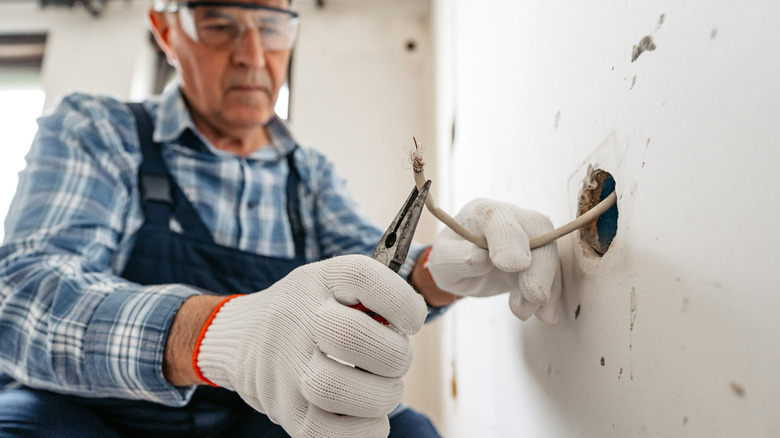
If you're embarking on a home renovation and hoping to save on costs by doing the work yourself, the relatively easy installation of electric heaters is likely to seem like an attractive option. However, if you're updating an older home, then you should know that even small modern appliances can overload old circuitry. In other words, you may need to upgrade your home's wiring, and since this is one of those home improvement jobs that's always best left to the professionals, it risks putting you wildly over-budget.
There's really no getting around it. If you're ever unsure about anything to do with your home's electricity, the best thing to do is consult a qualified professional. You may find that your electric heaters simply need to be hardwired (rather than plugged in, like a regular appliance), to prevent overloading your circuit rings. Alternatively, you may learn your home's older wiring should be stripped out entirely and replaced with something able to cope with the demand of modern appliances.
Neither is likely to be cheap. And if your home does need wiring, that's likely to get expensive, fast. When you add the cost of the work to the ongoing running costs of electric heating, which are higher than both natural gas boilers and heat pumps, you may find that it's actually more cost-effective to install another type of heating entirely.
You may need to spend more to access electric radiators that suit your home's decor
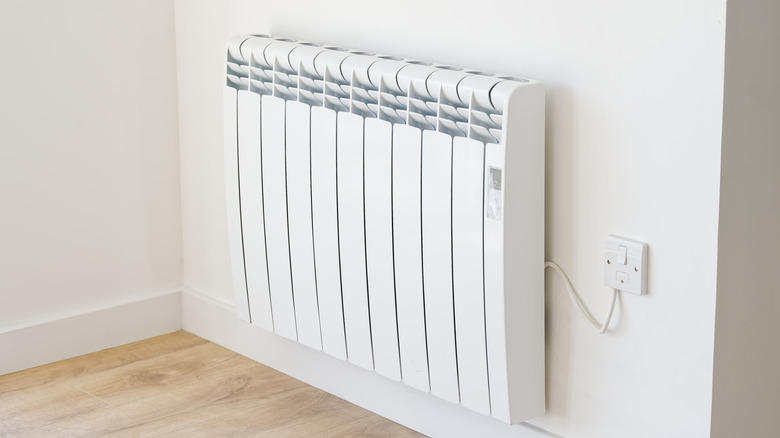
This may not sound like much of a "con." Surely the wide availability of beautiful electric radiator designs is a massive tick in their favor? Well, in many ways, it is. However, those same designs are also readily available for more traditional heating systems. And therein lies the problem. For the same radiator — same style, same material, same aesthetic appeal in your home — you can expect to pay up to double the cost for the electric version, sometimes more.
The reason they're so expensive is that each radiator has its own built-in thermostat. In the case of smart heaters, they also contain the hardware required to connect to your Wi-Fi. If you're outfitting an entire home with electric heaters, then you should spend some time working out what it would cost to both install and run central heating. Compare those numbers to the upfront and ongoing costs of electric heaters, and you may well find that it's more cost effective to spring for a heat pump or gas boiler — provided that your budget can stretch to it.
More can go wrong internally with an electric radiator
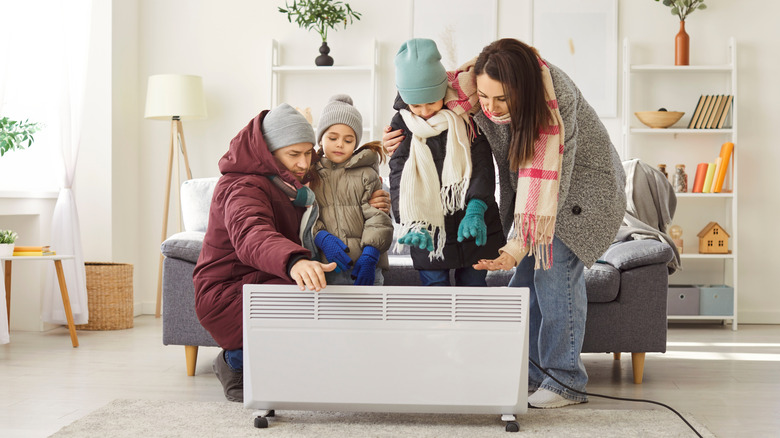
Since each electric heater is usually fitted with its own thermostat, wiring system, plus any technology required to connect them to your smart home network, it stands to reason that there's more inside that can go wrong than in traditional hydronic (water-filled) radiators. They also cost much more to buy in the first place. In turn, this means that, should one break down outside of its warranty period, you'll have to spend more in order to replace an electric heater.
On the plus side, if you ever need to replace an electric heater, then all you need to do is unplug it and plug the new one in. With a hydronic radiator, you'd need to isolate the water, remove the heater from the plumbing, and then install a new one to it. You'd also likely need to bleed the system to remove any air pockets that formed during the replacement.