

Pots Vs Planters: What Is The Difference Really? And Which Do You Need?
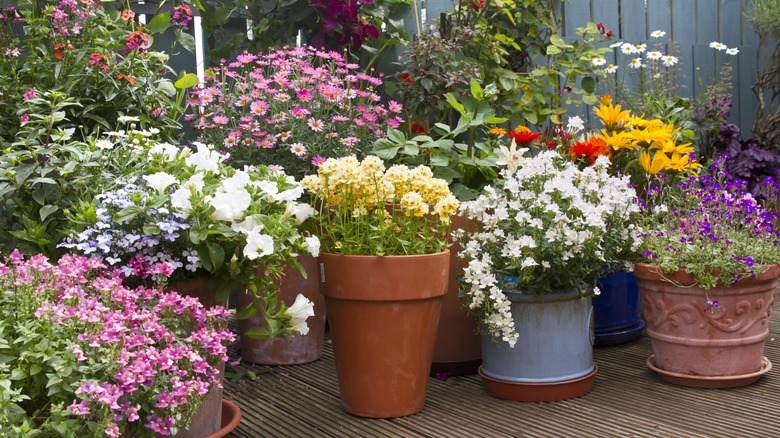
Walk into any garden center and you're likely to see the terms "pot" and "planter" tossed around interchangeably. And while they both hold soil and greenery, there are some noteworthy differences between the two, mainly in their size and capacity. A pot is typically a round vessel designed to house a single plant, and there are hacks for choosing good ones. Think of the classic terracotta pot, or the colorful glazed ceramic pot your friend made you, sitting on a sunny windowsill. These containers are usually measured by diameter and are often smaller and decently portable, though they can be big, too (gotta put that fiddle-leaf fig somewhere, right?). Their typically smaller size makes them the go-to for indoor gardening, as they can be moved around to follow the shifting sun or avoid changing drafts.
Planters, on the other hand, are like the estates of the plant container world. They're typically bigger than pots and can come in pretty much any shape, like long rectangular troughs or tall, modern hexagons. Planters are also designed to hold multiple plants in the same container. Think of them as a mini-ecosystem for plants of varying colors, textures, and heights. They are often made of heavier and more durable materials, like concrete, resin, heavy-duty metal, or treated wood. That makes them terrific for the outdoors, where they can be used as anchors for spaces like porches or walkways. These sturdier vessels also offer better stability for withstanding harsh weather. Understanding the differences between pots and planters is the first step toward a thriving garden; not doing so is one of the biggest mistakes you could make with your container garden.
How to decide between a pot or a planter
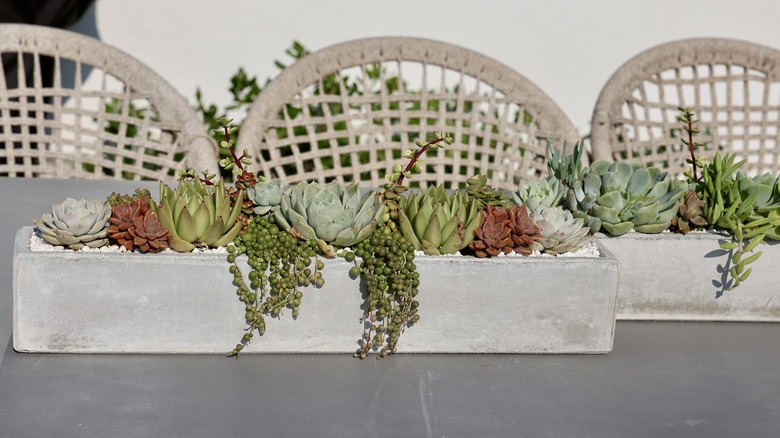
When it comes to buying the right container, it depends entirely on the needs of your plant and your design goals. If you're new to gardening or a collector of specimen plants (like a tiny, adorable succulent or rare monstera cultivar), a pot is your best bet. Pots allow you to focus on the health and moisture levels of one root system at a time. They're also a better choice for indoor styling. For the most part, they easily fit on bookshelves, end tables, and windowsills and don't dominate the space. And as a bonus, they're pretty easy to move if you like to rearrange your decor as the seasons or your personal style change.
However, planters are a better bet if you want to create a larger container garden or plant design, like a bold living wall, a privacy screen on your balcony, or a curated herb garden. And because they can hold more soil, planters don't dry out as quickly as smaller pots do. That can be a real lifesaver during hot summer months, especially for planters you've set outside or up against a south-facing window. Just remember to monitor drainage. Decorative planters often lack drainage holes and are sometimes meant to just have multiple pots placed inside them for a cohesive look. You can check on drainage for individual plants easily, but you'll need to drill drainage holes in your planter if you actually want to plant something directly inside it (like that herb garden). By finding a vessel that best suits the plants you have and what you're wanting to do with them, you'll help your greenery thrive and your home look great.