

LDPE Vs HDPE Plastic Cutting Boards: What's The Difference? (& Which Is Best In The Kitchen)
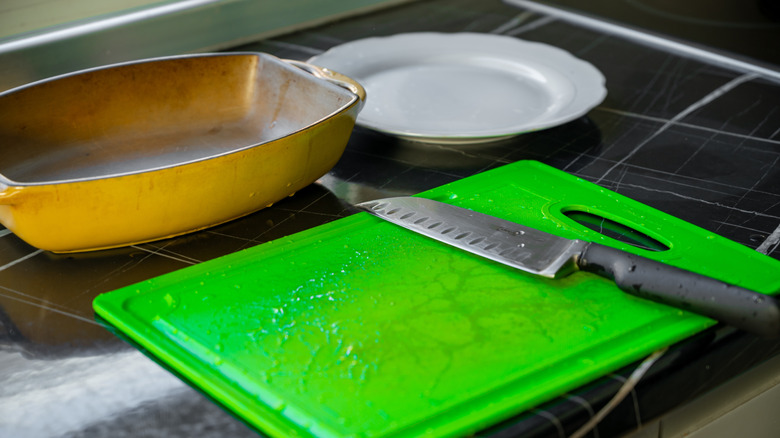
The time of wooden cutting boards is long gone. They sure had a moment, but we are in the era of plastics now, and they seem to have taken over kitchens everywhere. This may be for good reason, too. Plastic cutting boards are cheaper and readily available. Plus, they come in more colors. But the problem is that this shift has also created a problem for buyers. And no, it is not "which color should I pick?" The real issue is choosing between LDPE and HDPE plastics. These materials age and perform differently in everyday kitchen use. Take, for instance, the LDPE cutting boards. They are lighter and flexible, making them easy to store, pack, and travel with. HDPE cutting boards, however, are heavier and sturdier. So, they are better suited for heavy-duty tasks like chopping, and best for your kitchen when it comes to durability, avoiding damage, and the board retaining its shape.
Now, you might be thinking that they are both plastics, so what makes them so different? Well, the difference in their build comes from how they are made. LDPE (low-density polyethylene) plastics are made from highly branched fibers with a lot of space between them. This makes the whole thing lightweight and flexible. HDPE (high-density polyethylene), however, has linear fibers with almost no space between them, giving HDPE plastics a high density and making them sturdier and more resistant to damage. Furthermore, when it comes to cutting boards, the use of LDPE and HDPE does not just relate to weight and sturdiness. It has many other implications, too. And you might want to consider those as well before you make your decision about which plastic cutting board to get.
Why HDPE plastic cutting boards might be a better pick
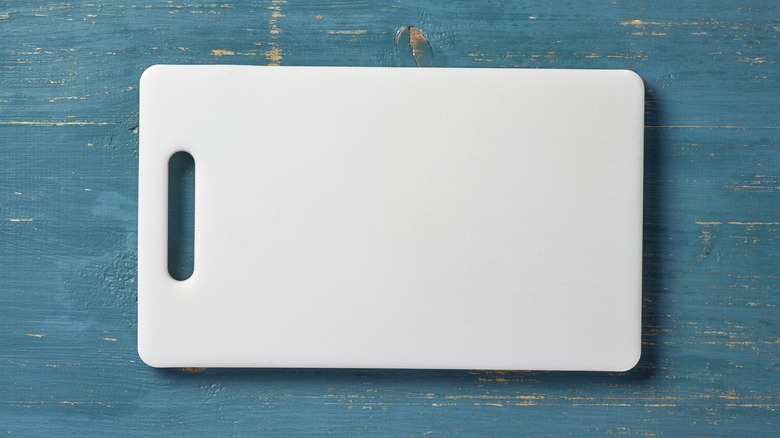
Since they are made of rigid material, HDPE cutting boards are more resistant to mechanical damage. This makes them a better choice for people who use their cutting boards for more than slicing and cutting their fruits and veggies. Chopping, dicing, and crushing, HDPE plastic cutting boards can handle it all. Just keep in mind that no plastic is immune to cutting marks. Sooner or later, they are going to appear on all kinds of plastic, but with HDPE, you will be able to avoid them for a bit longer. This durability and reduced wear and tear of HDPE cutting boards make them safer as well.
For instance, when there are fewer grooves and scratches on the surface of your cutting board, there are fewer spots for bacteria to hide and cling to. Porous and rough surfaces hold much more bacteria than the smooth ones. Plus, less plastic scraping off your cutting board means less microplastics getting into your food. And, if you know anything about microplastics, they are very harmful to health. Some kinds have even been linked to cancer.
In addition, another advantage of HDPE cutting boards is that they typically don't pick up stains that easily. That is because its surface stays smooth for longer and doesn't provide much surface area for dyes to cling to. In comparison, an LDPE plastic board develops scratches and grooves faster, giving satins more surface area to stick to. So, you won't have to spend as much time deep cleaning your cutting board. And lastly, HDPE plastics are safer to wash in dishwashers as well. They have a much higher melting point and handle the heat of residential and commercial dishwashers much better than LDPE plastics.