

How To Get Annuals To Come Back Year After Year
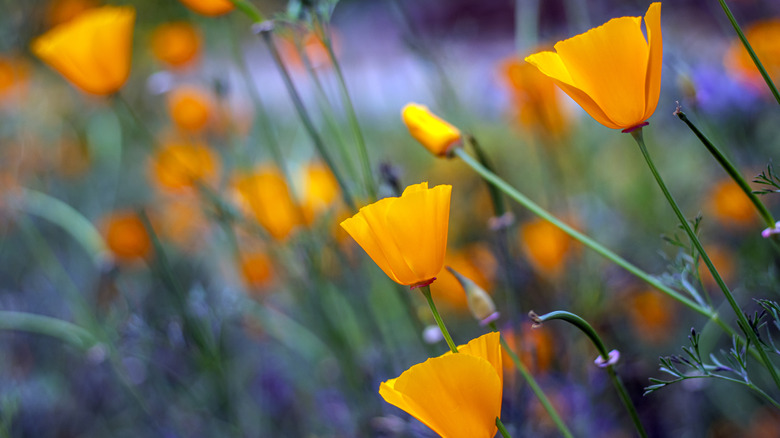
One of the first things many new gardeners learn is the difference between annuals and perennials. Perennials live for at least three years, while annuals live for only one. So, getting annuals to come back year after year seems impossible. But just because an annual plant dies after each growing season doesn't mean the species dies out. Annuals have just adopted a different strategy for keeping their species alive — a strategy that they have in common with insects like mosquitoes or fruit flies. They live for less than a year, so they produce a lot of offspring that emerge the following year and look a lot like the parents they'll never meet. Annual plants can produce so many seeds that you can get them to return the following year with little effort on your part.
There are dozens of self-seeding flowers that can effortlessly grace your garden. If you choose the right annuals, you'll get the most pleasure with the least work. Species native to North America are accustomed to the growing conditions in your area, so native self-seeders are more likely to actually germinate and flourish in your soil than those that require more exotic conditions. Just be sure those annuals are not so aggressive that they become invasive and hard to eradicate. Native species can be profuse without being invasive. Love Lies Bleeding (Amaranthus hypochondriacus) produces such an ample amount of seeds that it has long been grown by native Americans as a grain. California poppies (Eschscholzia californica) are the state's flower for good reason: As if from nowhere, these annual natives turn entire California hillsides golden in spring or summer.
Give the right annuals the right conditions to return next year
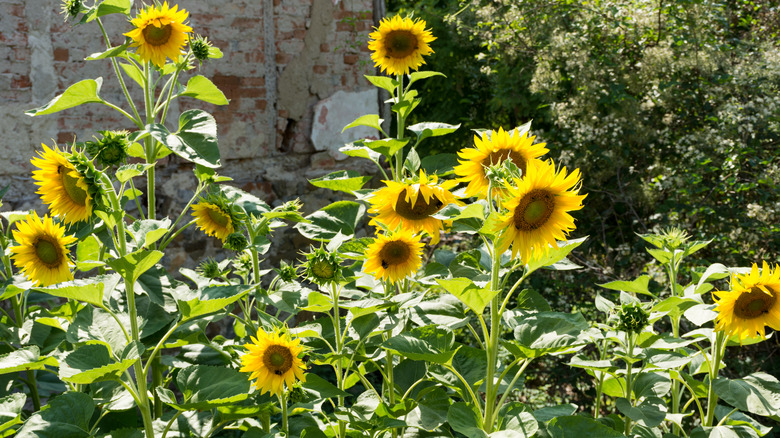
To ensure your annuals come back year after year, you'll need the right soil conditions for them to thrive. Determine your garden's soil type, acidity level, and daily sunlight exposure so you can choose annuals that thrive in those conditions. Just read the seed packets and purchase annuals that match the various growing conditions in your garden. With only one year to live, many annuals need a full day of the sun's energy to produce flowers and seeds. Everyone's favorite native annual, sunflowers (Helianthus annuus), are no exception. Plant its seeds in well-draining soil that gets lots of sunshine, and you and your local wildlife will be rewarded with a profusion of seeds that generate a new crop year after year.
Beyond the right soil conditions, you need little else to get these annuals to return year after year. The less you disturb the plants' natural processes, the better. Don't deadhead self-seeding annuals once their flower petals start to droop. While deadheading allows many annuals to produce new flowers, it also prevents those flowers from producing seeds. Also, don't till the soil in the springtime, as you might prevent those annual seeds from germinating. As you're reading seed packets, look at the planting instructions: Many annual seeds need to be spread on the surface or just below the surface of the soil, so you can simply press them into the soil without digging. Some annuals, however, like zinnias (Zinnia spp.), might need to be buried a quarter to one-half inch into the soil, depending on the variety.