

I'm An Urban Homesteader. Here Are The 3 Costly Trends I Hate To See
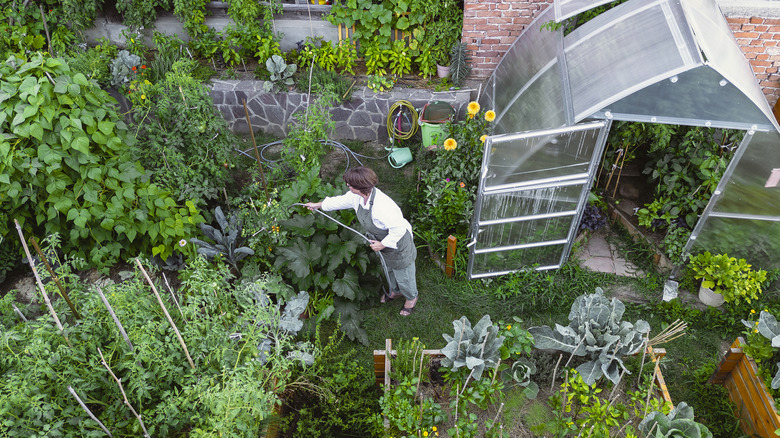
Fifteen years ago, and well before it was trendy, my husband and I decided to start urban homesteading. Like many who are now jumping into the trend today, we had no idea what we were doing. But thankfully, our city was an urban island in a farming county, so we had resources at our doorstep. While the term homesteading seems to mean something different to everyone, it can be loosely defined as utilizing the land you have to provide food and other daily necessities. The problem is, these days, that's a very foreign concept to most.
Of course, my husband and I made some mistakes during the early years of our 15-year urban homesteading journey; our biggest fail was buying chickens before building a proper coop. (Hindsight is 20/20.) Now, years later, I can't help but wince when I see some of the latest urban homesteading trends. The three costliest ones — and not just in terms of wasted money — are buying chickens due to egg shortages, following rebel canning trends, and homesteading to cultivate a curated social media aesthetic. While not every trend in the urban homesteading space will lead to something as dire as botulism, many don't know where to turn for reliable information, and they end up making costly mistakes due to bad advice from influencers on social media.
Raising chickens due to the cost of eggs
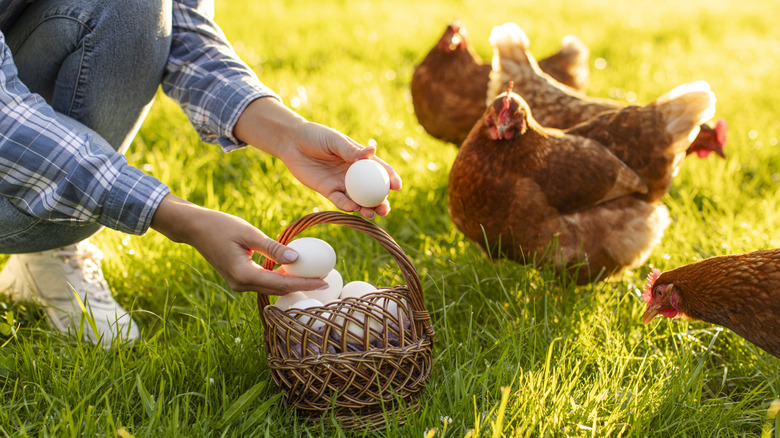
When the price of eggs skyrockets, even finding them in stores can become difficult. Then comes the uptick in chick sales at Tractor Supply due to the idea that it will be easier to house chickens in your backyard than pay for a box of eggs every week. However, the barrier to entry is much more than a trip to Tractor Supply.
There are quite a few things you need to know before getting backyard chickens. Besides the cost of chicks, the price of chicken feed has gone up, and for an average flock of about six birds, you're looking at about $15 to $30 a month depending on food quality. Additionally, a coop can cost anywhere from $100 to $4,000, depending on the type. You will also need a brooding pen, warming light, small feeder, and bedding, because they can't go outside until they have their permanent feathers.
Another problem I don't think many people realize is that chickens don't start laying until they are at least 5 to 6 months old, so you will still have to buy eggs during that time. This means, not only will you be spending money on eggs, but you will also be paying to feed and house your feathery freeloaders. And don't forget, you have to clean their run, replace bedding, and refill feed and water daily. Nothing humbles a person quicker than being spotted at 6 a.m. by your neighbor while in your PJs and muck boots outside, cussing out your chickens for escaping the pen again.
Dangerous rebel canning methods
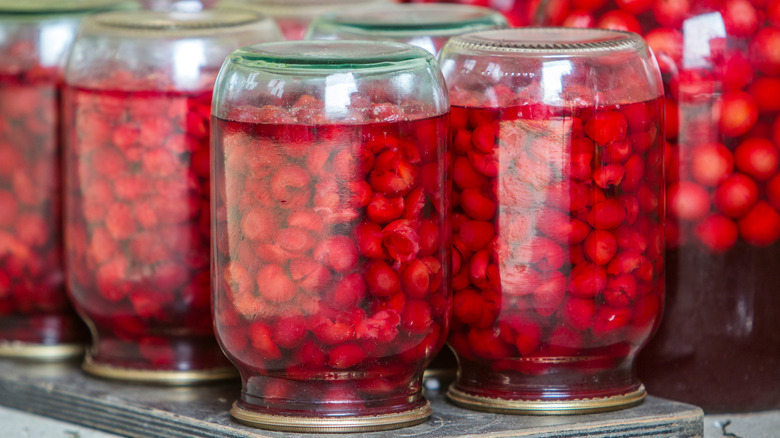
Rebel canning — food preservation that runs afoul of USDA guidelines — is becoming increasingly popular on social media, and sadly, people aren't taking it seriously enough. There are many methods that influencers teach to unsuspecting beginners that, at the very least, can cost someone a lot of money in having to throw out a ton of food or broken jars. (Improper food storage methods can also lead to a major pest problem.) But the worst outcome is that someone following these methods can end up getting themselves and their family very sick.
Reasons I've heard for using untested canning methods range from "My grandma always did it that way and she never got sick," to "Why should I trust the government to tell me how to cook in my own kitchen," and even "Not everybody can afford a pressure canner." The truth is, botulism and science don't care about any of that.
Water bath canners cannot reach a temperature past boiling, no matter how long you boil, and according to the University of Florida IFAS Extension, botulism spores only die when the temperature is 240 degrees Fahrenheit or hotter, or the food has a high enough acidity level. The only safe method of canning for low-acid food is pressure canning. Dairy should never be home-canned; nor should you ever turn your jars upside down to force a seal, as you can end up with a false seal and your food will go bad. Dry canning, which is done by placing jars of dry foods in an oven to process, is also a rebel practice. Not only can the jars break in a dry oven environment, but they could still harbor mold and bacteria.
Urban homesteading as an aesthetic lifestyle choice

Another trend I have been noticing lately is people wanting to homestead because they think they can live a glamorous, Instagram-worthy cottagecore lifestyle without getting their boots muddy. With the rise of influencers showcasing their warmly lit kitchens full of freshly picked flowers, veggies from their garden, their chicken's eggs, and handmade sourdough, it's no wonder so many young people desire the homestead life. I'll admit it, I'm a sucker for that content, too. The problem is, as with most things on social media, these accounts are curated. You're not seeing all of the hard work behind the scenes. And sadly, this can influence people to make costly decisions while not knowing what they're in for.
I am the last person to dissuade someone from wanting to live a more self-reliant life; I believe it is the ultimate form of freedom. But it's always a good idea to have a realistic view before building a bunch of expensive raised beds, a chicken coop, and calling the local landscaping supply to have them dump 6 feet of soil and manure in your driveway. Homesteading is a daily exercise in patience, hard work, and unexpected expenses. However, if you are ready for the work of weeding, tending sick plants, and caring for chickens or other small livestock, and can accept that sometimes mistakes will be made, then start that homestead! I'll be the first one to cheer you on.