

A Rise In Extreme Natural Disasters Has More Homeowners Wanting To Move
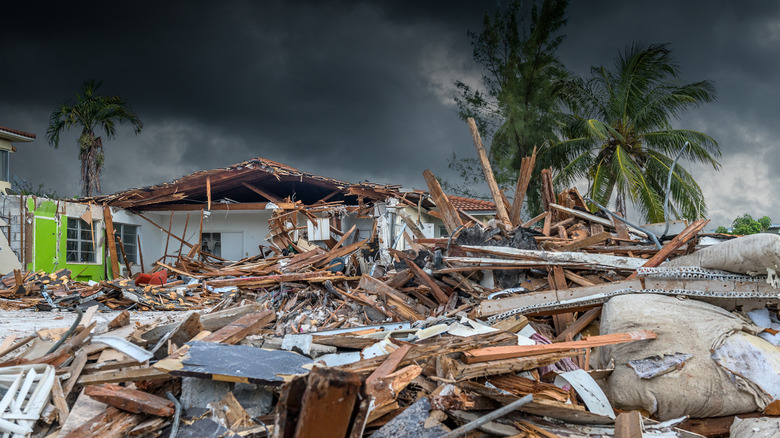
One of the earliest known examples of humans documenting extreme climate events goes back about 3,500 years to the Bronze Age, when a 40-line inscription carved into calcite detailed the abnormal weather of the time. Throughout history, extreme weather has impacted many civilizations, with survivors often relocating by need or by choice. Fast forward to today, and even though our homes are engineered better and our weather forecasts are more advanced, the story remains the same. As we face a rise in extreme natural disasters, homeowners are thinking about relocating to get away from rampant wildfires, severe heat waves, landslides, and deadly flooding.
While a climate-resistant home can make it easier to live just about anywhere, some states have more extreme weather these days, including places like California, Texas, Florida, and Mississippi. Others that have seen a rise in natural disasters include Georgia, North Carolina, and Illinois. These are the ones that have been hit the hardest, but there isn't a state in the union that's gone untouched by the effects of rising weather disasters.
If you're a homeowner who is considering moving in 2026 because of extreme weather events like hurricanes, flooding, and landslides, you're not alone. Climate events are putting homeowners at greater risk of property damage and loss of life. A recent survey by Kin, a digitally-based home insurance company, showed that 93% of homeowners surveyed expect some kind of damage to their house in the next few years, and at least half of homeowners are considering moving because of their fears about the climate.
Learn how climate risks are changing where people want to live
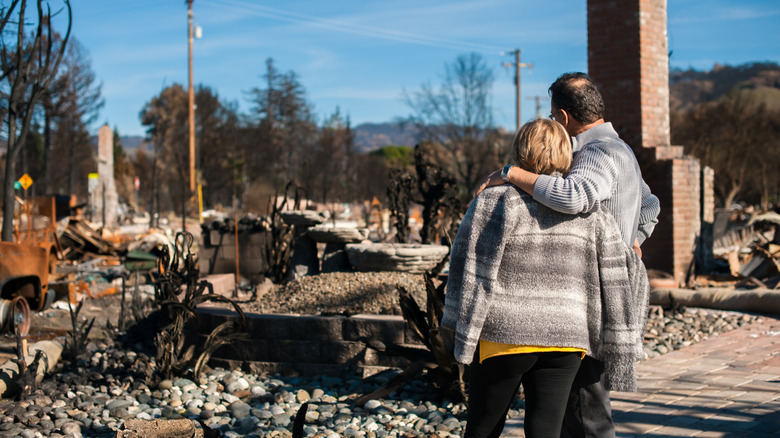
With the actual dangers of extreme climate events, it's no surprise that people are concerned. The stakes are high. From 1980 to 2024, there were over 400 events that caused over a billion dollars in damage each. During that time, these billion-dollar weather events resulted in approximately 17,000 deaths and cost an estimated $3 trillion dollars.
Rising insurance costs, which grew higher than inflation, may also play a role in homeowners' thoughts about relocating. Insurance companies are eyeing climate change risks that have already resulted in steep rate increases across the board. With more climate-related costs being forecast for the future, insurance premium hikes are a clear certainty down the road.
Many homeowners are also thinking about how to reduce home energy costs when considering where to live. Utility costs have also increased dramatically, with people paying an average of 10% more in 2025 than in 2024. Much of this is due to the fact that utility companies are having to upgrade or repair energy grids because of an increase in natural disasters and rising energy demands. Also, mortgage lenders are beginning to take climate change into account, which will affect domestic migration.
Find out where homeowners are thinking about relocating to
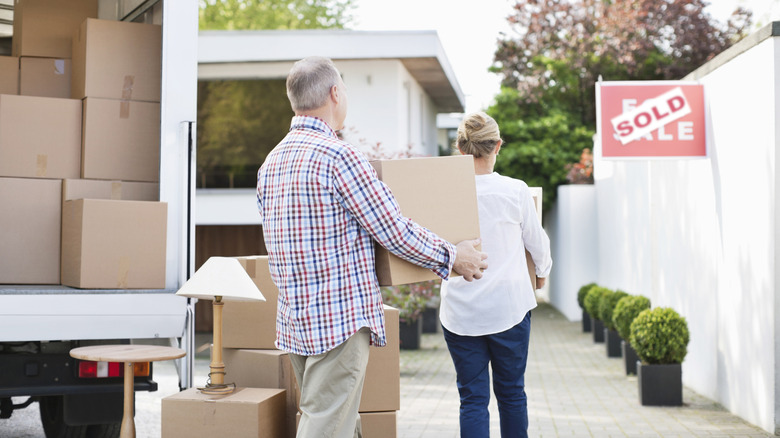
While all of this tells us why homeowners want to move, what's more interesting to real estate professionals and homebuyers is where people say they want to go. For many, it starts with avoiding certain areas that have been hit repeatedly by natural disasters. According to Kin's survey, 58% of respondents would avoid moving to Florida and 52% would skip California. Many homeowners also listed Hawaii, Louisiana, Texas, and Alaska as similarly concerning states. However, the states that were perceived as least dangerous were Vermont, Delaware, Connecticut, Pennsylvania, New Hampshire, Oregon, South Dakota, and Utah.
Although some would argue that there's no such thing as a climate haven these days, people are still looking for the safest states to live. The New England states mentioned above, along with parts of the country like Appalachia and the Pacific Northwest, are considered low or moderate-risk areas, and these are the places people are eyeing as they think about relocating.
If you're one of the many homeowners considering a move in 2026, it's worth noting that many of the rural areas that are drawing the interest of homeowners may not be well-equipped to deal with extreme natural disasters or climate issues like extreme heat. Due to influxes in population and infrastructure challenges, some of these areas are already struggling to adapt.