

13 Winter Bird Feeding Tips To Keep Them Happy All Season Long
We may receive a commission on purchases made from links.
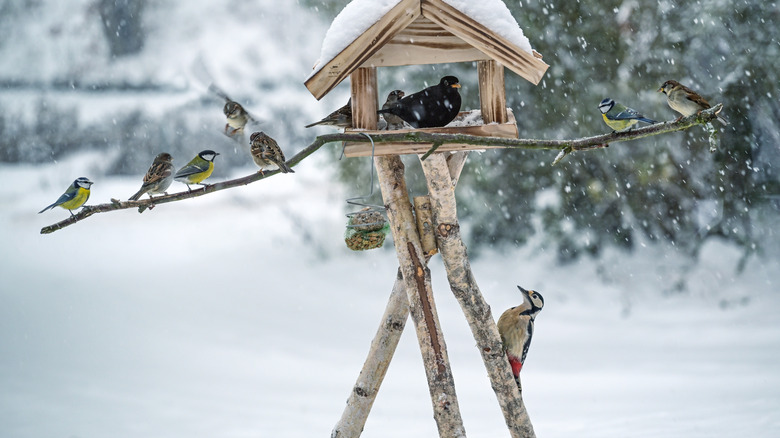
When trying to attract birds to your yard during the winter, you should ensure that you always meet their core needs: food, water, and shelter. During the colder months when resources are more scarce, these basic needs become more crucial. Feeding backyard birds helps them conserve energy and survive colder months. Following good winter bird-feeding practices and staying aware of potential threats can help birds endure the season.
Some bird species, such as the Northern cardinal, house sparrow, and chickadee, are year-round residents in many areas of the United States. One hummingbird species, the Anna's hummingbird, can also be a winter visitor in some areas, allowing homeowners to supplement its high caloric needs when food is scarce. Because birds primarily use their body heat to stay warm, they need a high-calorie intake. Maintaining a consistent temperature during cold nights and harsh weather requires extra energy. One way they stay warm is through shivering, using rapid muscle contractions to raise their body temperature.
Feeding birds in the winter isn't just an act of kindness; it can also support healthy breeding in the spring. A Queen's University Belfast study published by The Royal Society found that supplementing their diet led to earlier egg production and increased fledgling success. Beyond the ecological benefits, the sight of colorful birds against a gray winter backdrop during cold, monotonous days can be a welcome morale boost. After you've stocked your feeder with the best foods to keep the feathered friends in your yard happy in the winter, it's important you also consider these important steps to keep them healthy during the season.
Use the right feeder types
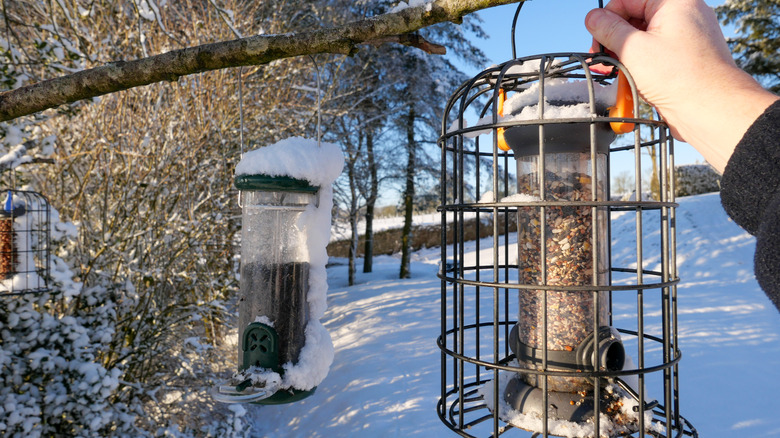
Not every feeder is the right match for backyard birds, so offering a variety of feeder styles can attract more visitors. There are different bird feeder styles that attract certain species. Some birds prefer a tube feeder, while others like to land on a perch when they eat. Other birds prefer eating at ground level, and you can make it easier as well as tidier by using a raised platform feeder. If you can only choose one, Audubon Magazine recommends a tube feeder, which attracts chickadees, finches, and nuthatches.
Thoroughly clean your bird feeders often
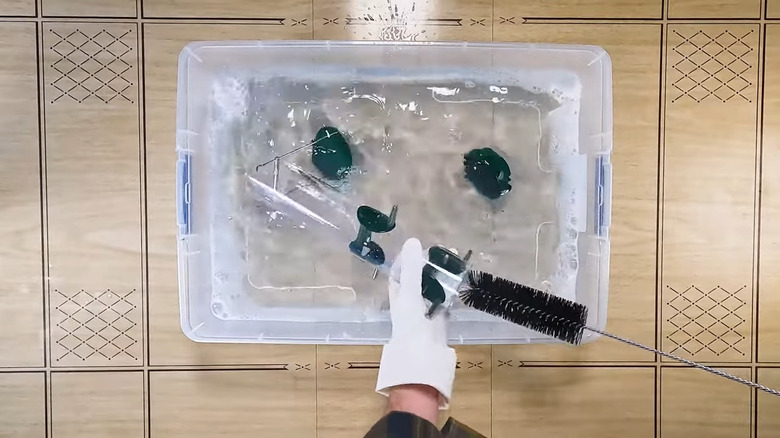
Dirty feeders put wild birds at risk for diseases such as avian pox and salmonellosis. You should clean your feeder with hot water and soap every one to two weeks to prevent illness. If feeding hummingbirds, safely clean your hummingbird feeder once a week, but never use dish soap, as this may leave behind residue. Instead, use a solution of hot water and vinegar, mixing 1 part vinegar with 2 parts water. After washing, thoroughly rinse the feeder's components and allow them to dry completely before refilling to prevent mold or bacteria.
Don't forget to offer fresh regular water sources
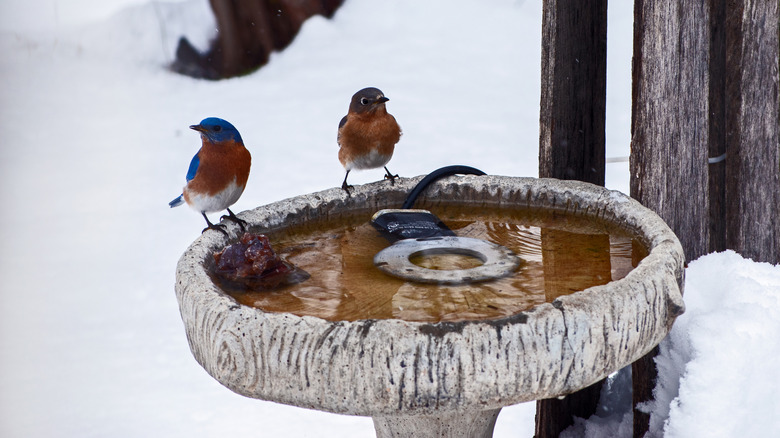
Water can be scarce for birds as their usual sources may freeze over in frigid temperatures. They can use body heat to melt snow or ice, but doing so quickly depletes vital calories. In addition to drinking it, birds also use water to clean their feathers. Consider investing in one of the types of heated birdbaths available and changing the water regularly. You can also set your bath in a sunny spot to guard against quick freezing, adding a few sticks in the water so they can safely perch as they drink.
Keep bird feeders out of reach of predators
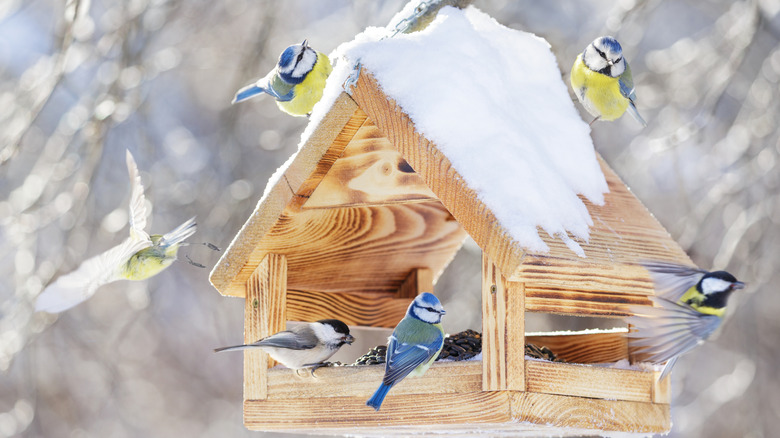
Birds are still vulnerable to predators in the winter, which is why offering them protected spots is the key to happy, safe birds. It's good to position the feeders near a tree or bush so they can retreat if threatened, but avoid putting them so close that a cat could hide and easily attack. Locate your feeders at least 10 feet away from cover to offer access to food while also providing a line of sight so they can react upon seeing a predator.
Keep your feeders directly away from windows
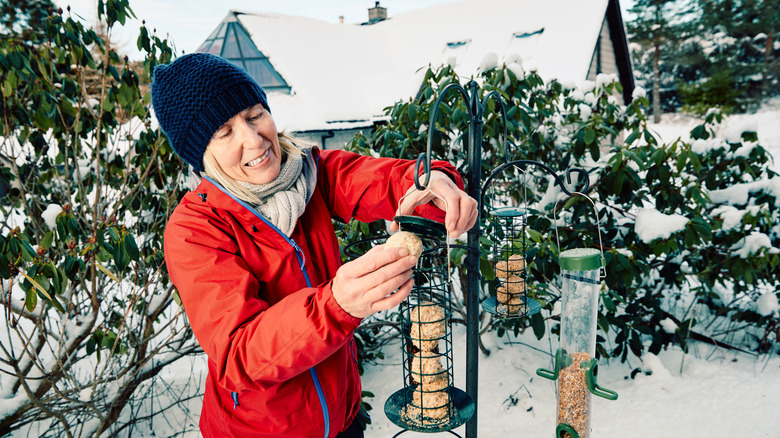
You might be tempted to place the feeder right next to your window so you can watch who stops by for a bite. This is problematic, though, as feeders too close to a window can result in injury or death if the birds crash into the glass. You can either locate your feeder 3 to 4 feet away from a window or give them enough clearance by situating the feeder 30 feet away. Just making this small change will help them safely navigate from the feeder without a crash.
Clean under your bird feeders
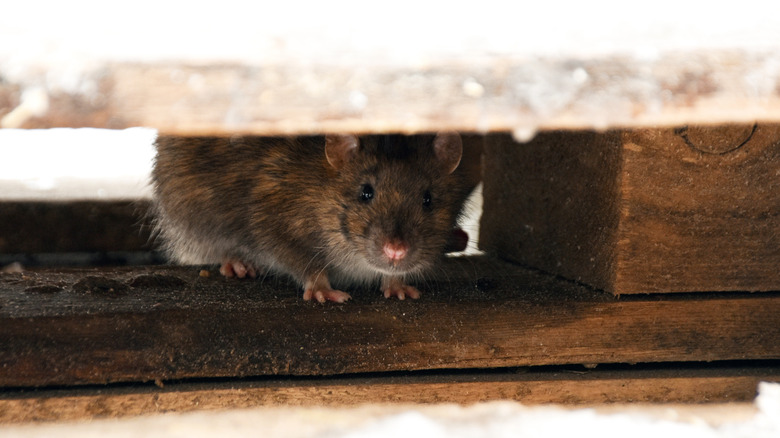
In addition to cleaning the feeder itself, you need to clean any area around it. Bustling activity at the bird feeder often leads to dropped seeds and hulls scattered underneath. When left to rot, these deposits can develop mold and bacterial growth, potentially risking Illness that can easily spread among the population. The discarded waste may also attract rodents and other pests that can bring disease, as well as compete with the birds for food sources.
Space out feeders to avoid overcrowding
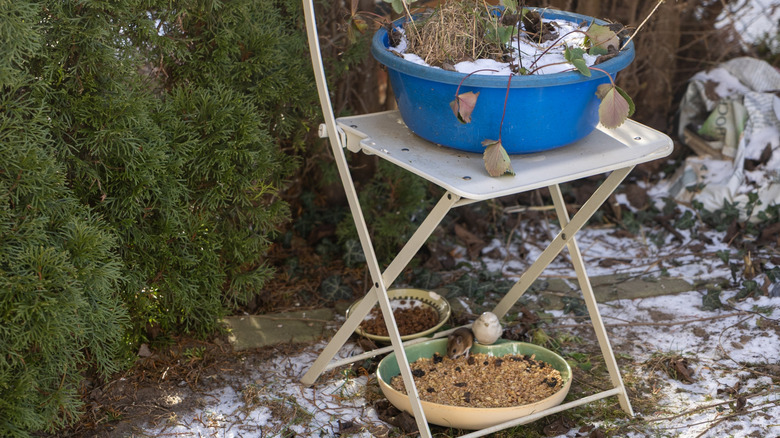
If your yard becomes a hot spot for birds, there might be some overcrowding, and tensions can be high if aggressive, dominant species are in the area. University of Florida IFAS Extension recommends creating multiple "feeding stations" with multiple types of feeders spaced throughout the yard. Birds are not universal in how they feed, with some species preferring open spaces and others staying close to cover. Providing multiple feeding locations reduces overcrowding, supports diverse feeding needs, and helps attract a greater variety of species.
Add the right plants
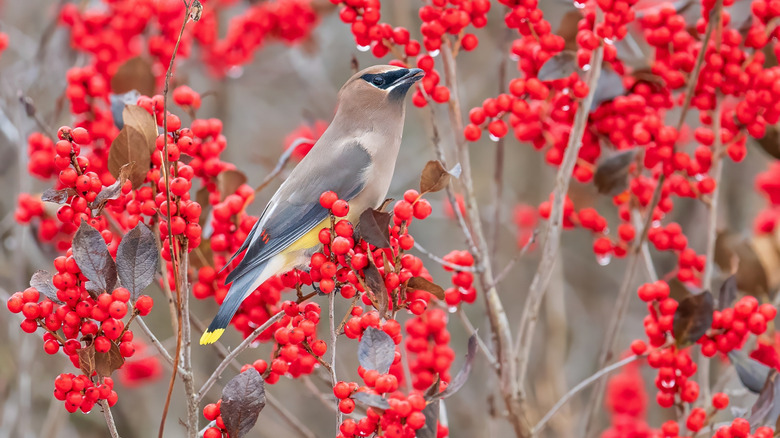
Planting trees and shrubs in your yard is a proven way to help support birds in the winter. Native shrubs offer berries to birds that reduce the need for long-distance travel, while also offering critical shelter during harsh weather. Species like bayberry (Myrica pensylvanica) and winterberry holly (Ilex verticillata) supply high-energy berries for birds during winter. Fruit-producing trees such as American crabapple (Malus coronaria), dogwood (Cornus sanguinea), and Eastern red cedar (Juniperus Virginiana) are also great picks because they offer food and cover when birds need a rest.
Don't worry about the fallen leaves
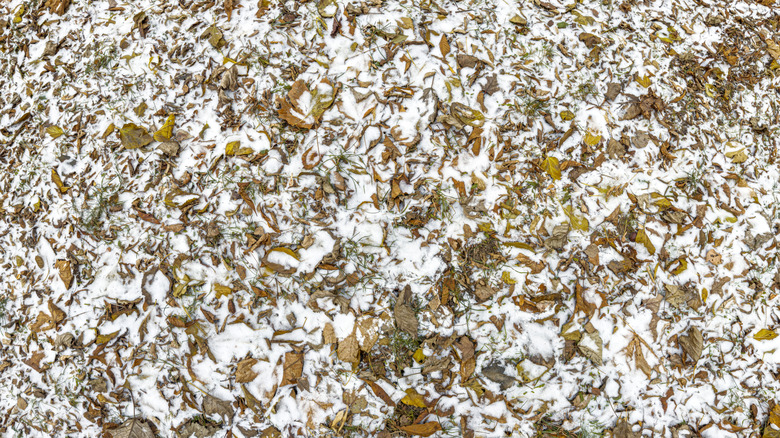
An easy way to support your feathered friends during winter bird feeding is to leave leaf litter alone in the yard. Leaves are a natural part of biodiversity and help support a wide range of species in the ecosystem. In addition to benefiting your soil as they decompose, fallen leaves provide habitat for staples of a bird's diet, sheltering larvae, insects, and other invertebrates they rely on for protein.
Alter what you feed in the winter
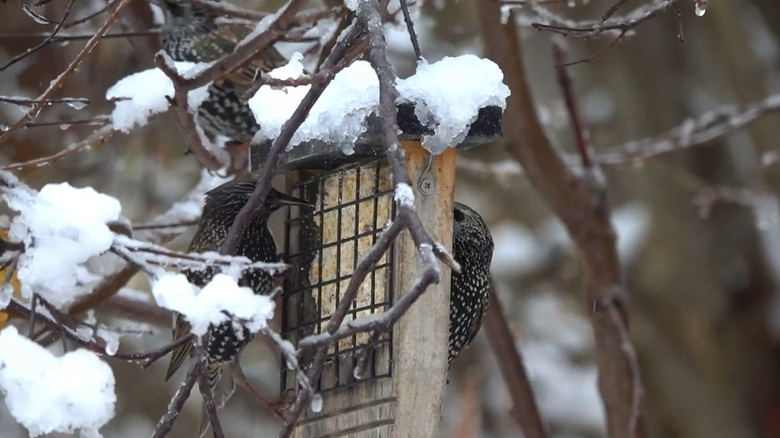
You may rely on standard bird seed mixes in the summer, but it is important to consider how well they meet winter needs, avoiding any that contain red milo, which most backyard birds ignore. Look for options with black-oil sunflower, safflower, and nyjer, or purchase these separately. High-fat and calorie-rich, suet is also a popular winter bird feeding choice. If offering suet, try to use a special suet feeder to offer a spot they can cling to while feeding. Suet feeders are widely available, including more affordable models like the Kingsyard Double Suet Feeder on Amazon.
Stick to your winter bird feeding routine
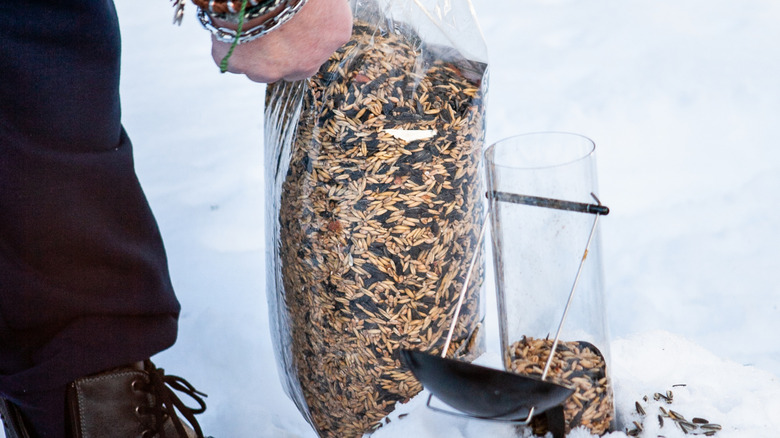
Keep stocking your feeders to keep birds happy and healthy all season long. Birds like consistency, and maintaining a routine will mean they will stop by often, once they know your spot is a good place to visit. Remember that you're helping ensure their survival, especially in times of harsh weather. If you must go out of town or are unable to fill your feeders for any reason, enlist a friend or neighbor to help in your absence.
Protect your feeders from squirrels
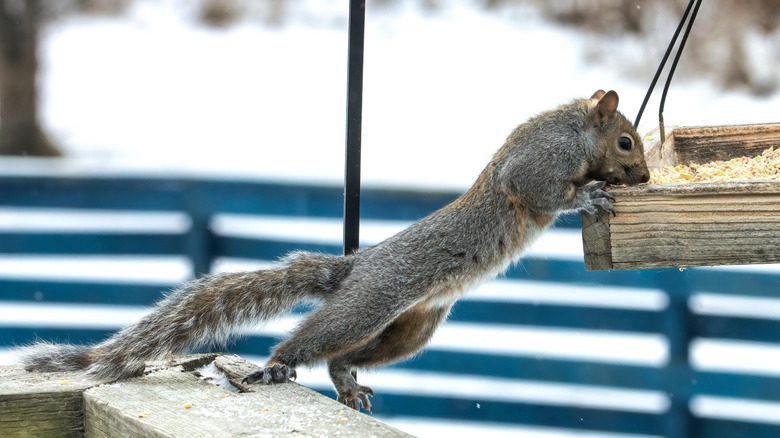
Squirrels can quickly ravage a bird feeder and leave little to nothing left for the birds. You can try using a squirrel-proof feeder or install a baffle on tree trunks or poles to prevent them from climbing up. You can also place feeders a minimum of 10 feet away from your home's overhang, trees, or other jumping spots. Another tactic is distraction, and Kansas State University Wildlife Extension recommends feeding squirrels corn kernels or an ear of corn away from feeders.
Give birds ample shelter
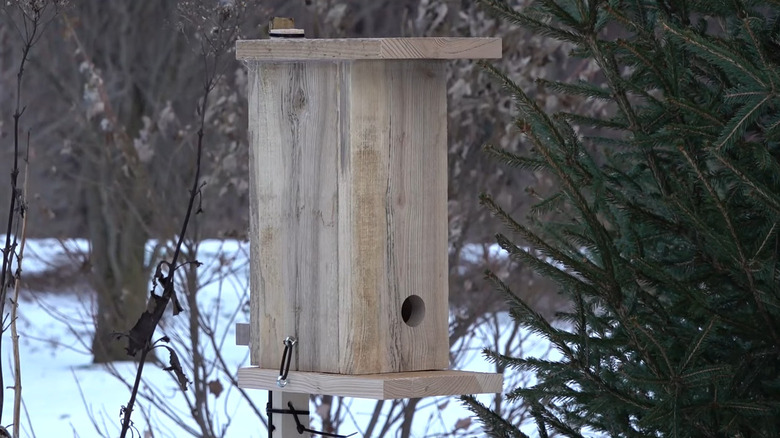
While trees and shrubs can provide effective shelter for wintering birds, you can go one step further by adding a roosting box. Specially designed to reduce heat loss, these boxes let groups of birds cluster together in cold temperatures to maintain warmth. Unlike nesting boxes or standard birdhouses, roosting boxes are built with less ventilation and feature perches that make room for multiple birds at once. Songbirds such as chickadees and blue jays are likely to use them, as are woodpeckers.