

This Leftover Kitchen Scrap Is The Secret To A Thriving Pothos Plant
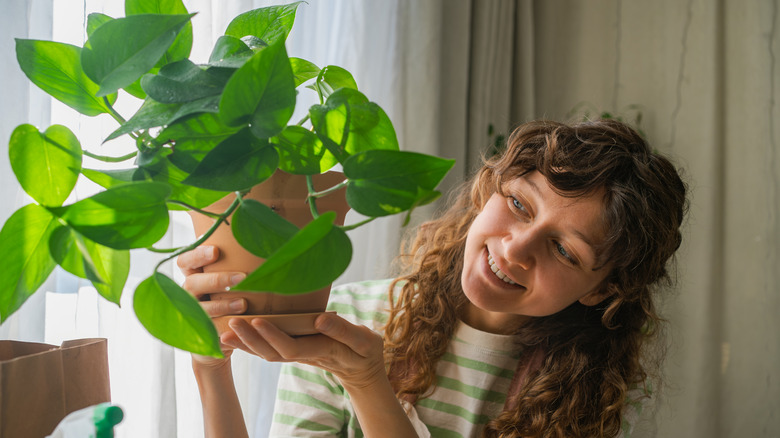
Tossing your morning coffee filter into the trash or your compost pile might be part of your daily routine, but those soggy grounds could be a total game-changer for a struggling pothos (Epipremnum aureum). Coffee grounds are an unexpected solution for anyone who wants to boost the health of this tropical vine without spending money on fertilizer. You can give these houseplants coffee grounds to help them thrive because the organic waste product is packed with nitrogen and other essential nutrients that help plants grow strong and healthy. They mimic the nutrient-rich soil of the pothos' native habitat — hot, humid rainforest understories in the Solomon Islands. Add the grounds to your struggling plant — either as a tea or directly — for a slow-release food source that can transform it into a lush, green indoor friend.
Coffee grounds don't just have nitrogen. They also contain some potassium, magnesium, calcium, and trace minerals that support various physiological processes — from photosynthesis to stress tolerance to structural integrity — in all plants, pothos included. While single-dose synthetic fertilizers provide a sudden surge of nutrients to a plant, organic matter (like coffee grounds) breaks down gradually to provide more consistent, long-term food. What's more, this approach helps to maintain a balanced ecosystem within the pot. The grounds encourage any beneficial microorganisms already in the soil to proliferate. These tiny organisms consume and process the grounds, making the nutrients they contain more available to your houseplant's roots.
How do coffee grounds help pothos plants stay healthy?
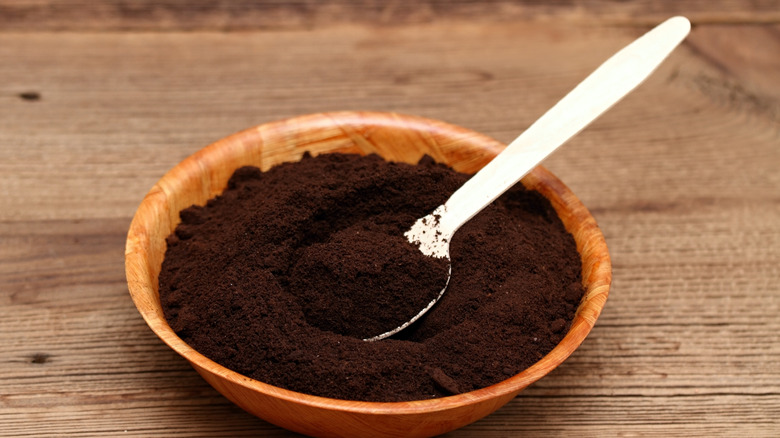
Pothos are resilient plants that grow outdoors in USDA Hardiness Zones 10 to 12. Because they're adapted to tropical climates, they love soil that's slightly acidic, making the low pH of used coffee grounds a perfect match. Another unexpected use for leftover coffee grounds is improving soil structure. Adding small amounts of this textured organic waste product to potting mix can improve aeration, which allows your pothos' roots to breathe, reduces compaction, and aids drainage. All of this helps prevent the soggy conditions that can rot the roots of indoor plants. The organic matter in used coffee grounds can also help dry soil retain moisture levels — keeping it healthy, not waterlogged. Pothos plants prefer relatively consistent moisture; they don't do well if their soil swings dramatically between bone-dry and soaking wet.
As mentioned, used coffee grounds are also a minor source of vital nitrogen, phosphorus, and potassium (NPK), which keep those heart-shaped leaves and vining branches looking so good. As the grounds break down, they also add micronutrients to the soil that pothos plants need to stay healthy, including iron, manganese, copper, and zinc. These minerals are just as important for your houseplant's growth as NPK. Iron and manganese aid photosynthesis, while zinc primarily helps the plant produce the hormones it needs to grow long, trailing stems. Without the coffee grounds to contribute and retain these minerals, they can wash away during watering before the roots have a chance to absorb them.
Make a coffee ground fertilizer tea for your pothos plant
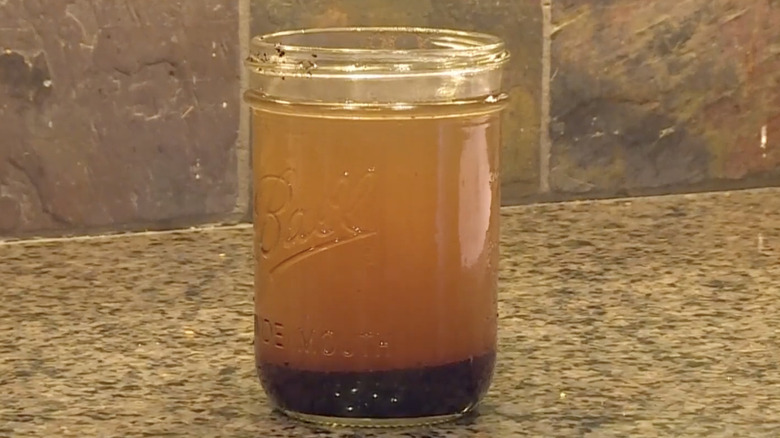
The most effective approach is a watering hack that helps indoor pothos plants thrive: making a tea or liquid fertilizer. Soak about one teaspoon of used coffee grounds in one gallon of water for several days. Strain the liquid and use it immediately to water your houseplant. Prefer to use the fresh grounds as they are, straight out of the coffee machine or cone dripper? Dry the grounds completely and then spread them in a very thin layer across the surface of your plant's pot. If you just stopped here, the grounds may form a crusty layer that can block water and air from reaching the roots. To prevent this, mix them into the top 2 inches of potting mix.
Applying used coffee grounds to your pothos plant as fertilizer requires care. You need to tread lightly to avoid problems like fungal diseases from excessive moisture retention. You should, for example, never dump freshly ground, unbrewed beans onto the soil of your houseplant. It's not just a waste of good beans. Fresh grounds have a high caffeine content and lots of acidity, which may harm a pothos plant. You can expect stunted growth or burned roots. Always use used coffee grounds that have been through the brewing process. Also, apply coffee grounds to your pothos sparingly — no more than once every one to three months — to give your plants a steady supply of nutrients without making the soil too acidic.