

14 Tips To Keep A Home Warmer And HVAC Running More Efficiently In Winter
We may receive a commission on purchases made from links.
There's nothing quite like cozying up in a warm, well-insulated home when a storm is raging outside. However, maintaining a comfortable environment so you can adopt a "sweaters-off" approach often requires running your HVAC system round-the-clock. This isn't great for its lifespan or your budget.
Fortunately, there are several smart heating strategies you can adopt to enhance your system's efficiency without compromising on your comfort. The key lies in understanding how HVAC systems function and taking small, calculated steps, such as replacing air filters regularly and arranging annual inspections. Other methods involve making sure indoor heat isn't lost by properly insulating ductwork. Moreover, you can help your heating system effectively reach your rooms by keeping the air registers clean and open. To ensure hot air remains inside once your HVAC has done its job, take steps like sealing the attic door, shutting flue dampers, and caulking windows and doors. Curious to know more? Here are 14 tips to create a space that feels like a warm hug all winter long.
Have a professional tune up your HVAC once a year
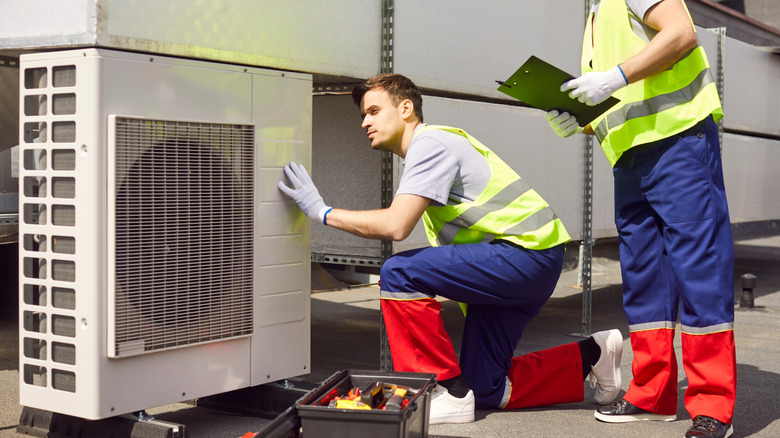
Even if you're a skilled DIYer and capable of maintaining complex electrical systems, you should have a professional check your HVAC system annually. HVAC systems have a lot of moving parts, which can't be easily (or safely) accessed. If these parts aren't lubricated regularly, the system may get strained and may not run as efficiently.
Besides this, pros also examine the condition of burners, the heat exchanger, and other connections. If these are cracked or clogged, your home may feel colder than usual due to the loss of hot air. Worse, they can become a fire hazard, creating a host of different problems down the road, including poor indoor air quality and even dangerous leaks.
Ideally, you should aim to hire a certified HVAC technician in the fall, when it's off-season and getting a timely inspection is easier. But, given the importance of regular HVAC servicing, you can have your system inspected and cleaned, and get worn parts replaced, any time during the winter.
Clean, change, or replace filters regularly
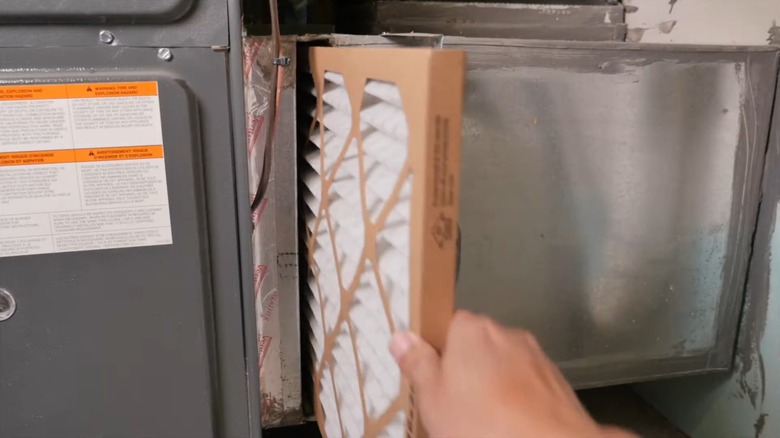
An annual inspection is essential for keeping your HVAC system in good working condition. However, it isn't enough to maintain consistent and efficient heating. Since heating systems run for greater stretches in cold months, they gather more dust, dander, and air-borne debris. Left uncleaned, filters eventually become clogged, restricting the airflow. This causes a "blow out," with the system failing to distribute warm air evenly across the home and creating cold spots. To compensate for that, you may end up running your system for longer, creating higher energy bills in return. Do this year after year, and not only will you have to deal with poor heating, but also high maintenance costs.
So, to keep your home warmer in winter, inspect your HVAC filter at least once a month for any blockages and replace it accordingly. If you use your system daily (common with remote working), keep pets, live in an urban neighborhood with ongoing construction, or stay in a windy area, you should change your furnace filter every month. But, if your systems are equipped with heavy-duty filters or don't undergo intensive use, you may be able to replace filters every three months. In the case of permanent filters, follow the manufacturer's instructions about cleaning and reuse.
Keep the ductwork properly sealed
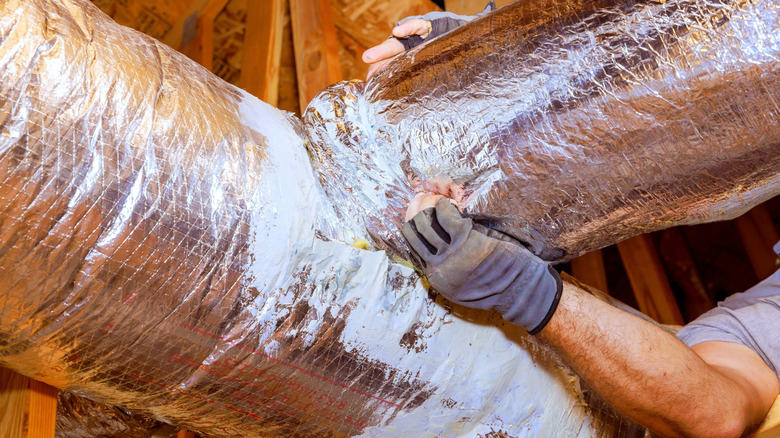
Hot-air or force-air HVAC systems utilize ducts to distribute furnace heat throughout the house. But if the ducts are dirty, cracked, kinked, missing crucial connections to the vents and registers, or poorly insulated, they can leak hot air before it reaches your rooms. This results in uneven heating, forcing your HVAC to work harder. This, in turn, wears down its mechanical parts and reduces overall efficiency. Sometimes, unconditioned air can even travel back into vents through unsealed joints. According to Energy Star, leaky and poorly sealed ducts can lose as much as 20% of the total output.
Although it isn't feasible to inspect the entire ductwork running through the house (as it's mostly concealed), look for it in unfinished areas, such as the attic, basement, garage, or crawlspace. Seal any gaping holes with UL-listed (Underwriters Laboratories) mastic duct sealants, like this one from Master Flow, or metal-backed sealants, after cleaning the ducts. Heat-approved foil or butyl tapes work, as well, but avoid duct tape as it isn't durable and comes unstuck quickly. Follow up by insulating the tubes to keep the cold out and further improve heating.
Vacuum registers, and make sure the outdoor unit is clean
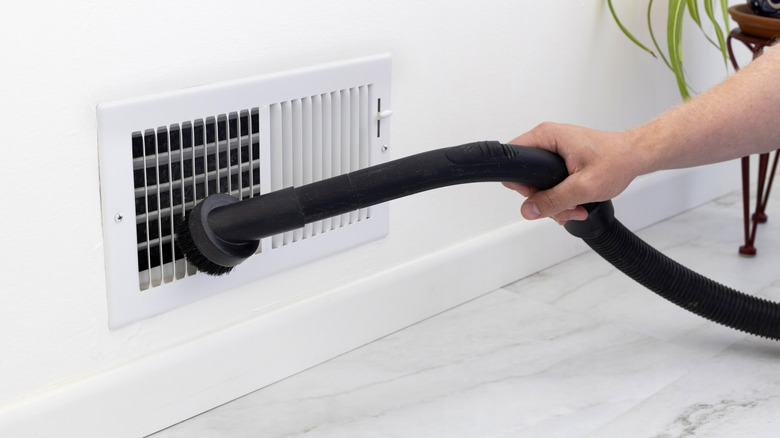
For a heating system that runs efficiently, it's crucial that air vents are kept clean. Air registers or grilles allow hot air to stream into the room and often include adjustable dampers to further control the air flow. But if grime, pet hair, or dirt mucks these up, they'll struggle to let hot air pass through. Eventually, this will put a strain on your heating system.
To avoid that, whip out your vacuum and clear any vent openings located close to the floor. Also, take some time to ensure the ductwork is fully connected to the vents so no hot air is leaking out around these areas. While you're at it, examine the outdoor HVAC unit, too. As it may become clogged with leaves, snow, or dust, a quick wipe down or vacuum should clear out any blockages.
Remove things blocking the registers and thermostat
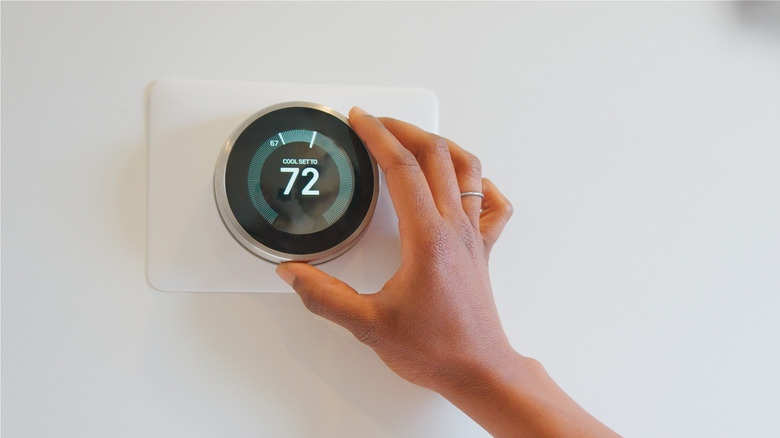
You'd think the placement of home furniture or room dividers is all about nailing the right aesthetic and style. Turns out, it's also instrumental in how quickly and evenly your home warms up in the winter. Carelessly arranged furniture, fixtures, rugs, carpets, and heavy draperies can block the hot air that is pumped out from air vents and grilles. This puts added pressure on the HVAC system, forcing it to work long hours to keep your home snug and cozy.
You can avoid this by rearranging any furnishings that are blocking the vents. However, bear in mind that it's only necessary in the case of centralized heating, and not systems designed for zoning. Your thermostat similarly needs a location where air circulates properly so that it doesn't misread the temperature, potentially forcing the heating system to overextend itself. To restore efficiency, clear the area of any furniture that may be under the thermostat or in front of it disrupting air flow.
Keep the interior doors open

Closing your interior doors is a mistake that can make it harder to heat your home if it runs on a centralized system, like a single central return vent in the living room or the main hallway. When doors are closed, air — and the heat — cannot move freely throughout the house, resulting in uneven temperatures or a stuffy feeling. It also puts excessive pressure on your HVAC system, as it limits the air passing through the central return vent, preventing proper filtration and reducing efficiency.
The take-home advice? Keep the interior doors open to ensure the closed air system works as desired. However, if you have multiple vents across rooms or have zoned heating, feel free to ignore this tip.
Seal the attic hatch
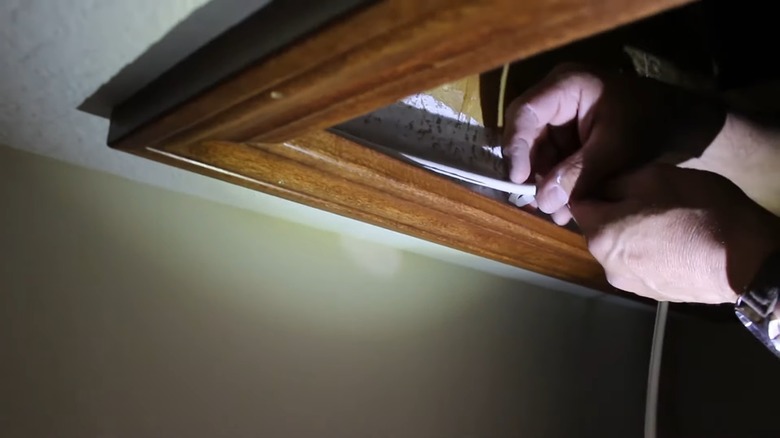
Properly insulating your attic hatch or door can also keep your home warmer during winter. As hot air tends to rise, it can escape through the attic opening. According to Heeley Home Inspections Inc., you may lose as much as 25% heat this way. To compensate for heat loss, your HVAC system must work harder, potentially undergoing excessive wear and tear. Eventually, efficiency levels drop and can only be restored through extensive repairs. The worst part is that you may also have to make structural repairs to your home by then. In a poorly insulated attic, hot air condenses when exposed to the cold, potentially leading to mold and rot.
So, to minimize heat loss, insulate the attic, as well as the door or hatch leading into it. Depending on your home's design, you may have an opening behind the kneewalls (usually for finished attics) or pull down stairs. You can apply peel-and-stick weatherstripping around the edges and glue foam boards or fiberglass batting to the door for insulation. For stairs, you can install pre-made attic stairway insulation covers, such as the one from DGSL.
Keep your furnace's flame sensor clean
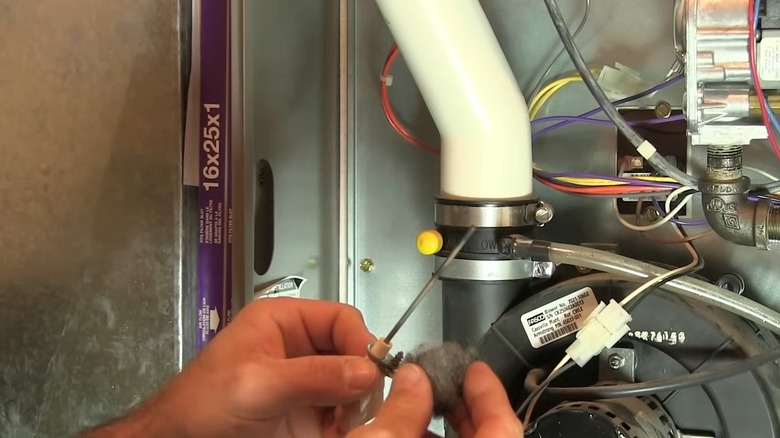
Ensuring your gas furnace's flame sensor is clean is another HVAC expert heating tip to help you stay warm in winter. A flame sensor is a thin, 2 to 4-inch-long metal rod that detects flame in the furnace. But, if it's dirty or cracked (it inevitably gets coated in soot and grime over time), it can stop working and signal the furnace to shut down to prevent any safety hazards. Also called "short cycling," the system then repeatedly turns on and off, leaving it struggling to heat your home.
Luckily, though, this problem has an easy DIY fix. After you shut down the furnace and cut off the gas supply, locate the flame sensor in the burner assembly. Without putting too much pressure on the porcelain base, remove the rod and wipe it down with a fine-grit sandpaper or emery cloth. Put it back and ensure the flame lights up blue (yellow signifies impurities). However, if the rod or its base is noticeably warped or cracked, you should replace it instead.
Turn off exhaust fans promptly after use
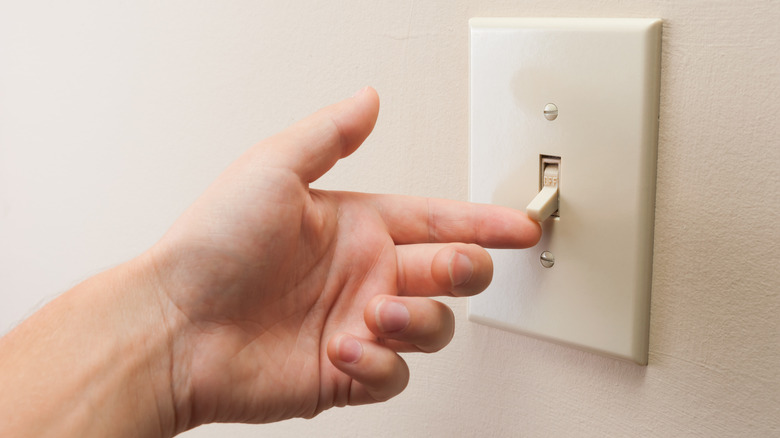
When left running for too long, exhaust fans replace conditioned indoor air, effectively cooling your home. So, to restore initial temperatures, your heating system must work longer. Excessive functioning can wear down your HVAC's mechanical parts, reducing overall efficiency.
That being said, this isn't an invitation to keep exhaust fans permanently switched off. After all, they improve the ventilation in kitchens and bathrooms, keeping mold spores at bay and preventing damp. Plus, it's also a nifty way to get rid of unpleasant odors or smoke and steam after cooking. Just make sure you aren't running fans unnecessarily — usually 20 minutes of run time is plenty after a shower or cooking.
Use energy-efficient window treatments

According to the U.S. Department of Energy, you could lose up to 30% of your home's heat through windows. That means more work for your HVAC and higher energy bills to foot. But you can turn your windows into energy savers and ensure your HVAC runs more efficiently with window treatments.
So, swap out the summer-appropriate thin drapes for thicker ones in winter. Moreover, you should keep the curtains and draperies drawn through the night and on cold days to keep the warm air inside and the winter chill out. Open them up on bright days to allow in the light and heat from the sun. This will take pressure off your HVAC, while warming up your house this winter without you spending an extra dime.
Take care of drafty windows and doors
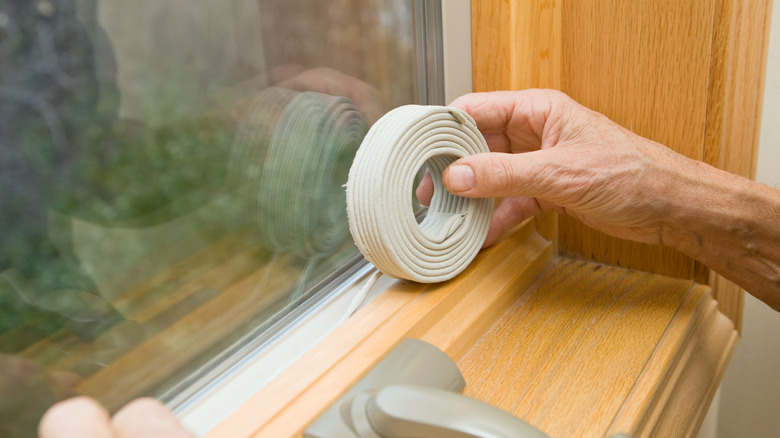
Drafty windows and doors not only let cold air in; they also allow heated air to escape outside. The downside of this is that your HVAC system must run continuously to keep your home warm (especially in areas experiencing sub-freezing temperatures) and may still not succeed. Such round-the-clock functioning can wear down the system and reduce its efficiency.
For this reason, check your windows for any gaps and openings and reseal them using caulk or weatherstripping. Alternatively, consider installing storm windows with low emissivity (low-e) coatings, as these help reduce drafts and reflect indoor heat, keeping your household warmer without requiring extra effort from your HVAC. Another bonus? This DIY winter upgrade can boost value and protect your home from the elements. As for your doors, consider adding draft stoppers, such as the silicone-based Vellure Door Draft Stopper.
Improve indoor humidity
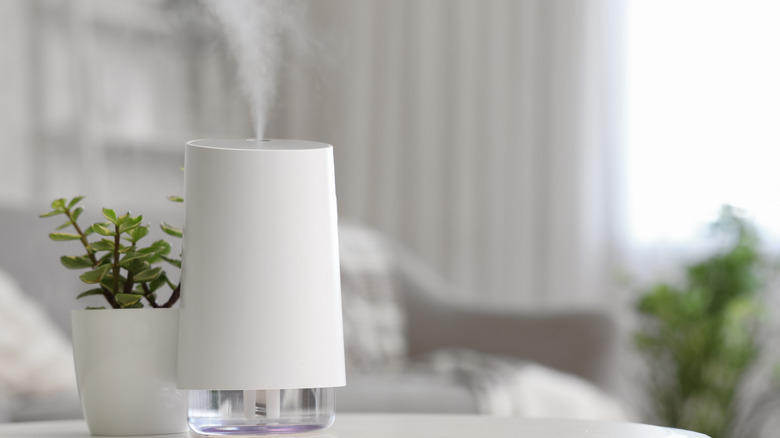
When you're trying to warm your home without putting undue pressure on your HVAC system, it pays well to look into humidity levels. As humid air contains moisture, it holds onto heat for longer and releases it at a slower rate. Not to mention, it doesn't leave you feeling "stuffy" or uncomfortable in the winter.
Given this rationale, you may want to run a humidifier (like Levoit's 6L Smart Warm and Cool Mist model) to bring up the relative humidity levels to around 30%. This helps cut down on indoor heating, indirectly enabling your conditioning system to run more cost-effectively and efficiently. As a bonus, your houseplants will welcome this humidity change, as dry air can stress most of them. That being said, ensure humidity levels don't rise beyond 50%, or this will encourage the growth of mildew and mold. Plus, you'll have to deal with fogging on your window panes.
Change up your ceiling fan's direction
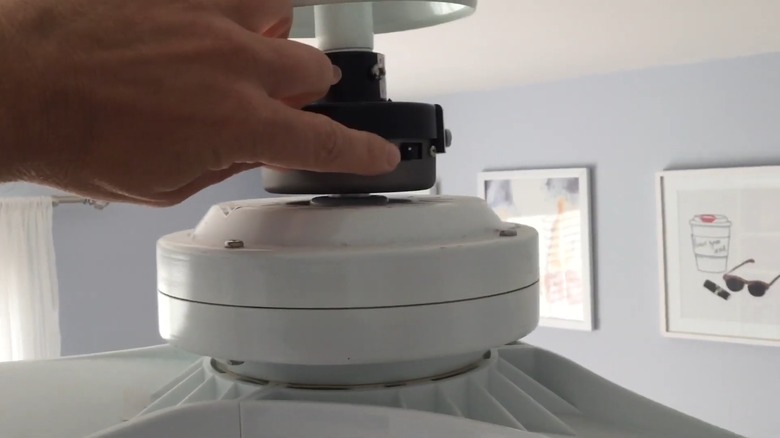
As we touched upon earlier, hot air rises. But what if you could push it back down, keeping your living space warmer for longer? You can achieve this with your ceiling fan. This household staple that helps circulate cool air around in the summer can be coaxed to move in a clockwise direction with a "reverse" switch. Once the fan reverses its direction, the hot air collected near the ceiling moves down and gets redistributed, allowing you to lower the thermostat's setting. It's particularly valuable in homes with cathedral, sloped, or double-height ceilings.
Not only will your HVAC system thank you for not pumping it nonstop throughout the day, but so will your bank statement. Avoid running your ceiling fan at full speed; stick to the lowest possible setting.
Close the fireplace dampers when not in use
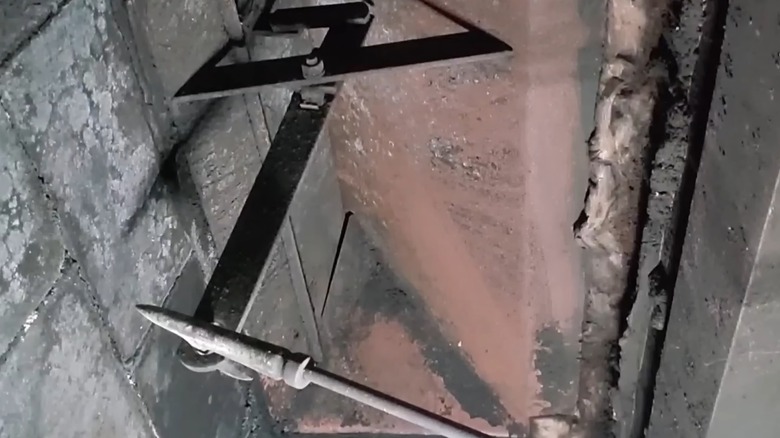
As flues are made of metal and undergo significant warping over time, they start sucking in the home's indoor heat and releasing it outside. Due to this, you may lose hot air through these conduits. Sometimes, they may even pull in cold air into your home if the chimney is faulty. Either way, this phenomenon forces your HVAC to work longer just to make up for the lost heat or neutralize the cold drafts. Needless to say, this action reduces its efficiency.
To avoid this, put down the movable plate or damper after you're done using your fireplace and once all embers have died down. If your fireplace doesn't have a damper, use plastic chimney balloons to prevent the indoor heat from escaping. These come in different shapes and sizes, and can be easily put under the flue and removed when you're in the mood for a fire. Better yet, if you forget to remove them, they deflate on their own when exposed to heat, so you don't have to worry.