

Carpet Tiles: What To Know Before Installing
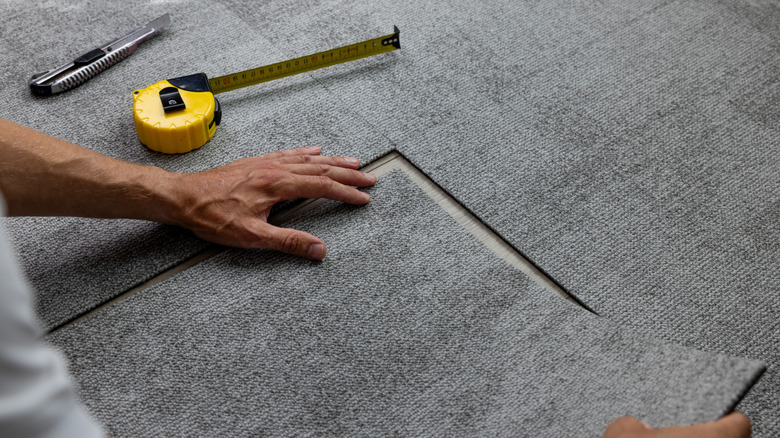
Many people think of carpet tiles as something usually found in an office setting, where they are popular in part for their ability to reduce noise. In fact, many of their other benefits can make them a good flooring choice for residential use: they are affordable, they are comparatively quick and easy to install, and if one gets stained or damaged, you just swap it out for another. Carpet tiles are often considered among the best flooring options for your basement, but as well as those designed for utility areas, there are plush tiles for bedrooms and eco-friendly options like sisal.
Quality carpet tiles could last up to 20 years. They can be installed directly on top of many existing flooring types, from concrete to tile to hardwood. Many come with a peel-and-stick backing, which is strong enough to keep them in place but makes them relatively easy to remove if necessary. Carpet tile tape is another option. However, some need a separate adhesive, which makes installation a little more tricky. It's something you'll want to check before you buy.
Depending on their backing and where they're being used, you might want to consider an underlayment. This might be as a moisture barrier over concrete, for sound absorption over a squeaky wood floor, or simply for extra comfort underfoot. One of the beauties of carpet tiles is their versatility. You have an extensive choice in terms of style, color, material, and installation options.
Why carpet tiles may not be right for you
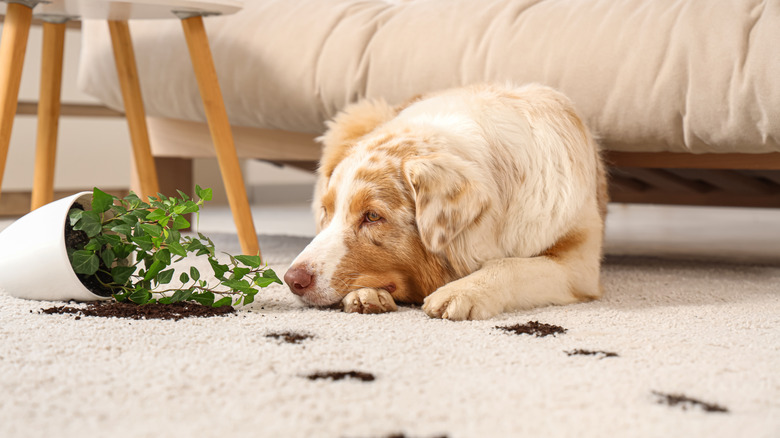
One of the reasons why some people have been getting rid of carpeting is the challenge of keeping it clean, particularly if there are kids and pets around. Carpet tiles are just the same, and it can be frustrating trying to remove some kind of unknown sticky mess. There may also be issues with allergy sufferers, because the pile can trap hairs, dirt, pollen, etc., particularly the more luxurious types or those made of natural fibers.
The edges can also be a potential problem area as they tend to be more prone to wear and tear. Over time they can begin to pull apart, spoiling the overall appearance. If they do get wet, they may buckle. It's a good idea to over-order so that you have extras to deal with problem patches if they occur. Fortunately, the price of most carpet tiles means that doing so shouldn't overstrain your budget.
Carpet tiles may not be high on the list of flooring options that will increase your home's resale value, but they can be a practical and attractive flooring choice. They are good in high-traffic areas where wood floors are easily damaged, and if you're the adventurous type, you can create unique patterns that wouldn't be possible with most other flooring.