

How To Check For Open Safety Violations On Your Apartment Building
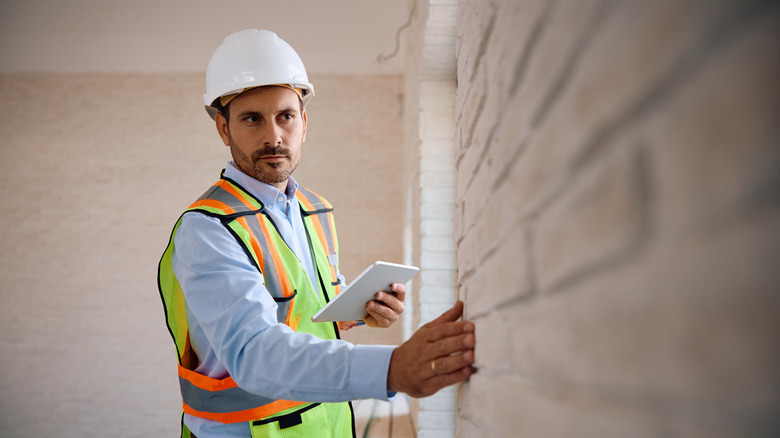
It doesn't matter if you own or rent, safety is a top priority when it comes to housing. For most people, safety concerns are right up there on the list of importance, next to affordability. But safety means more than just living in a decent neighborhood or having a security system. Building concerns, like fire hazards, structural damage, and poor maintenance, can lead to serious concerns, especially in an apartment or condo.
There are plenty of upsides and downsides to apartment living, but multi-family dwellings come with inherent risks. You have to trust that not only are your neighbors careful enough to practice safe living habits, but also that your property is up to date on safety codes. You may notice that your landlord enters your apartment on a regular basis to check up on your safety features, but who's checking up on them? Well, your local government should be!
Every county has safety codes and regulations that apartment buildings must adhere to in order to provide multi-family housing. Depending on your location, your city or county will conduct apartment inspections every one to two years, but they will also do an inspection if they receive complaints from tenants. The results of their inspections are usually listed on local government websites with real-time updates on the status of the violation.
Search local code enforcement websites for apartment safety violations

Before you go wasting your time tunneling down the search engine rabbit hole, let's take a look at how to find the right agency for your property. Each state, county, and city has different rules and regulations regarding building inspections and safety codes. But different entities may carry records for different types of buildings. For example, there is a difference between a condo and an apartment due to legal ownership structures. As such, different local government agencies manage inspections for each property type. Condos are privately owned, so you will need to speak with your HOA or other housing authority for more information. Apartments, on the other hand, are usually required to hold a licence stating the building is safe and habitable.
Local laws vary, but some cities require apartments to visibly display their licensing and safety certifications. This might not provide you with the most up-to-date information, but it will tell you the issuing authority, which is the organization you should search for to find open violations. If these documents are not posted, you can simply search for your local safety code enforcement agency. Start by going to your local municipality website and searching "code violations." This should bring you to a database or direct you to the correct authority. If you can not find it, search for local authorities that deal with housing or code enforcement. Most databases will allow you to search by property name or address.
What to do if your apartment building has open safety violations

If you find open safety violations in your apartment building, don't panic. It happens. While property managers are expected to address code violations promptly, major repairs can take time and skilled workers. Not to mention, if your building changed ownership, there are some mistakes everyone makes when buying a rental property, including not asking the previous owners to fix violations. As such, they are generally given a deadline to complete the repairs.
The timeframe is dependent on the type of violation and the local laws. Critical violations usually have a short deadline ranging from 24 to 72 hours. Minor violations, however, could have a deadline of up to 60 days. When you search the open violations, you should be able to see the deadline for repairs. If the deadline has not passed, give your landlord time to complete the repair.
If the deadline has passed and the violation has not been repaired, you have a few options. First, contact your local authority. There are some cases where reasonable delays happen and may not be updated on the original violation. Usually, the code enforcement agency will take action as soon as the deadline passes, which might include notifying tenants and taking legal action against the landlord or property manager. If this has not happened, you may want to get in contact with a lawyer. Depending on the severity of the violation and your location, you may be entitled to certain protections. If a landlord is found guilty of intentionally avoiding repair, they may not be able to collect rent or serve evictions. In addition, the landlord may become liable for costs related to damage, harm, or legal fees related to the violation.