

Not Miracle Gro Nor Coffee Grounds: The Fertilizer You Can DIY For A Thriving Garden
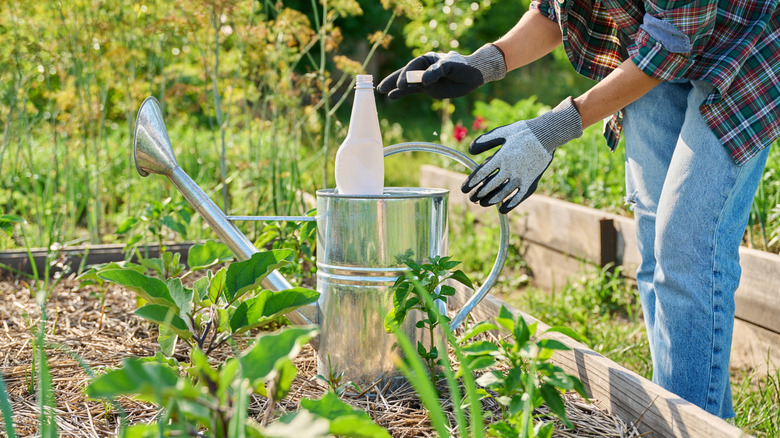
Whether you're adding plants to an already thriving garden or considering gardening as a new hobby, both require plenty of research. Then there are all the peripheral activities to consider. For example, how do you plan on fertilizing your plots to ensure your greenery flourishes? While using store-bought fertilizers is a tried-and-true way to make your garden hospitable for plants, it comes with environmental downsides. The synthetic compounds in some fertilizers can pollute the soil and surrounding ecosystem. The cost of fertilizers has also risen in recent years. For a budget-friendly and environmentally conscious way to fertilize your soil, leave the Miracle Gro on the shelf and repurpose leftover food instead. Your recent fish dinner scraps make an excellent DIY fertilizer.
Among DIY fertilizers, coffee grounds and other kitchen scraps you can reuse in the garden are some of the most popular choices. While those are undeniably great alternatives to chemical fertilizers, there are other, more bizarre plant fertilizers you should try, too. You can, for example, repurpose fish scraps by turning them into a nutrient and microbial-filled liquid fertilizer. While it may not be the most pleasant-smelling plant food, using liquified fish parts in your garden can have lots of benefits, especially for leafy greens and lawn grass. When added to the soil, the typically 2-4-1 nitrogen, phosphorus, and potassium (NPK) content of this fishy liquid helps promote growth slowly and naturally, reducing or eliminating the need for polluting artificial chemicals. What's more, beneficial microbes fed by DIY fish fertilizer grow in abundance.
How to DIY a plant fertilizer from fish scraps
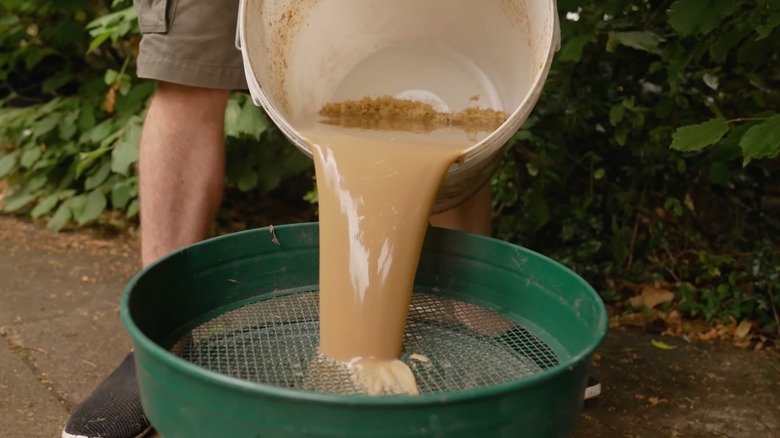
To make this unexpected fishy fertilizer that'll help your plants thrive, you'll need a sealable lidded container. A tight seal prevents flies from entering the solution and contaminating it. It also keeps the inevitable stench of the fermenting fish locked in. Next, gather your fish scraps, some molasses, brown sugar, or raw cane sugar, some sauerkraut or kimchi, and some sawdust. Fish scraps are anything leftover from preparing fresh-caught or store-bought raw fish — the skin, head, bones, and guts all work. Cut large scraps into small pieces. Smaller pieces break down easier and ferment slightly faster.
First, throw all of the fish leftovers into your sealable container. Add the molasses or sugar — this gets the fermenting process started. To ensure the fish liquifies, you'll need to add three parts of water for every one part of fish scraps. Mix everything together thoroughly with a paint stick or small shovel. To speed up the fermentation process, you can add some sauerkraut or kimchi to the fishy mixture and a few handfuls of sawdust. The sawdust reduces the pungency of the concoction and creates air pockets for microbes and bacteria. Mix everything again and put the lid on the container.
Leave the solution somewhere warm but shady for up to a month. If the lid bulges, you'll need to burp it. Open it carefully, let the air out, and give the concoction a mix before sealing the container again. After the month is up, pour the liquid through a strainer into a new, clean container. To use your DIY fish fertilizer, dilute two tablespoons in a gallon of water and apply it to the soil around your plants once a week or once every other week.