

Say Goodbye To Plain Concrete: The Driveway Design Tactic That Looks High-End
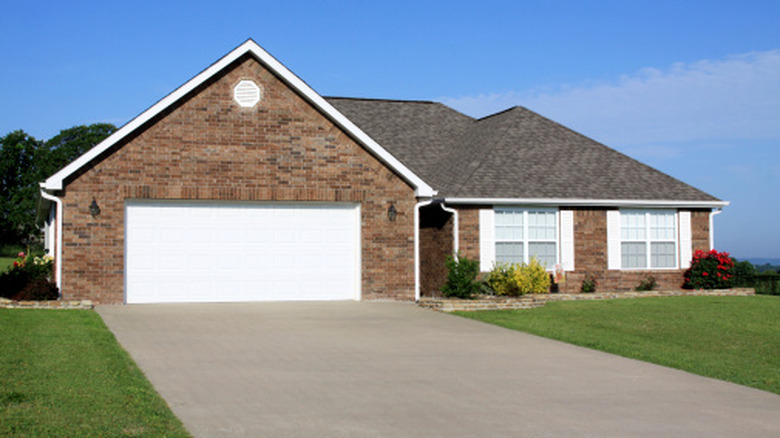
A plain concrete driveway can feel ho-hum, but adding some synthetic grass strips between the slabs completely changes the vibe. This design choice replaces a flat, utilitarian surface with a modern pattern that feels more high-end. This approach uses narrow strips of artificial grass to break up the monotonous look of a traditional concrete driveway, creating a pattern that's custom to your home. When exploring materials to use on your driveway that go beyond concrete, incorporating intentional gaps with concrete pavers or poured sections allows you to introduce an unexpected element that makes a hard surface feel much softer and more integrated with your yard.
This method relies on the contrast between clean concrete lines and the texture of faux turf to give the driveway a tailored look. It's totally different from the industrial look of a massive concrete pad and can boost the curb appeal of your home. This setup also helps with drainage by allowing rainwater to soak into the base between the slabs rather than pooling or running off into the street. It's an excellent way to get a custom look while using some common materials in a contrasting way.
Why artificial turf works best for driveway strips
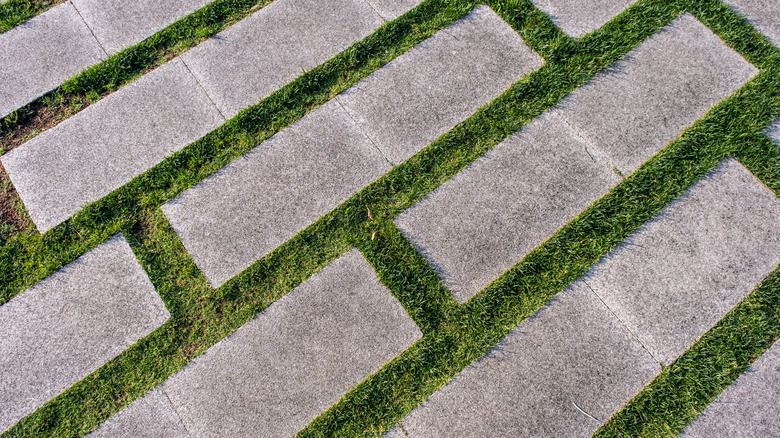
Choosing synthetic blades over natural sod is a smart move for making sure your driveway stays looking sharp under the pressure of car tires and direct sun. When weighing the pros and cons of installing artificial grass, the ability to survive both heat and cold is an advantage. Since concrete absorbs a massive amount of heat, the soil in the narrow gaps usually becomes too hot for natural grass to survive, leading to brown patches. Artificial turf avoids these issues because it doesn't require water, fertilizers, pesticides, or ideal growing conditions. It provides a permanent green look that never turns yellow or develops bare patches from lack of sunlight or water issues.
High-quality synthetic turf often has built-in ultraviolet protection, which prevents the green pigment from fading. This is especially helpful in areas of the driveway where the reflected heat from the concrete would typically bleach untreated material. Using a specialized infill like silica sand between the synthetic blades helps them keep their shape and stay cool, even when the surrounding concrete is baking in the afternoon sun.
Benefits of using artificial turf in your driveway design
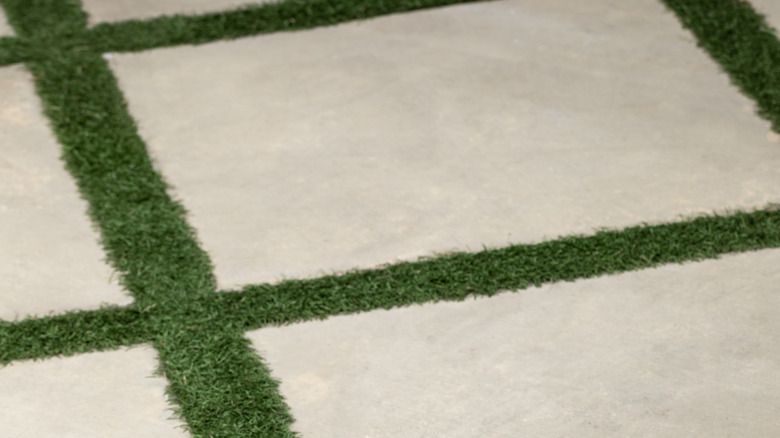
Many homeowners prefer synthetic options to keep their driveways looking neat without the constant chore of weeding or trimming. When paired with concrete or a trending driveway material that looks upscale, such as modern stone pavers, synthetic turf solves some maintenance headaches. You can avoid the challenge of maneuvering a lawnmower over pavers or concrete, which can cause chipping or uneven grass height. Instead, you get a consistent, manicured appearance that stays perfectly trimmed regardless of how much shade the area receives.
Synthetic turf is typically designed to be permeable, so water will pass through into a gravel base below, preventing puddles and helping with drainage. High-quality products have a durable backing that can withstand the weight of a vehicle without denting the surface. This setup also gets rid of mud that could be tracked into the house or garage during rainy days, since there's no dirt involved. Installing faux grass involves securing the material to a stable base, which prevents the edges from lifting or unraveling over time. It offers a professional, finished look that stays vibrant year-round.