

The Valuable Vintage Item To Look For At The Thrift Store (& The Easy Way To Identify It)
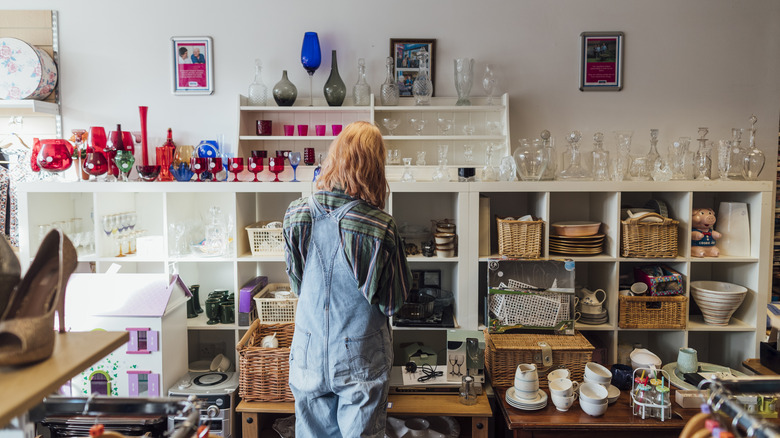
Finding a genuine treasure among rows of dusty, cheap glass and chipped coffee mugs is the ultimate reward for any thrift store shopper. While many people hunt for mid-century furniture or designer clothing labels, one of the most profitable finds often sits on the shelves covered in old plates and bowls. Worcester porcelain is a high-end English creation that has been prized by collectors since the middle of the 18th century, making it the kind of vintage kitchenware you can thrift that's quickly becoming a hot collectible. Unlike common pottery that feels heavy or clunky, these pieces are remarkably delicate and thin. Collectors like to look for these pieces because the factory was one of the first in England to master the art of soft-paste porcelain.
Finding an authentic early piece can mean the difference between a run-of-the-mill thrift store buy and a resale value, depending on condition and rarity, reaching into the thousands. Whether a piece was a delicate teacup made to withstand hot water or a decorative vase never intended to be around heat, the soaprock formula made sure these items survived in remarkably good condition over the years. This durability is why you might still find an 18th-century gravy boat or tea set tucked away in a thrift store today. The factory was so successful that it earned a royal warrant from King George in 1789, which gave it the status of a premier manufacturer. You just have to know how to spot them by their unique green glow before someone else snatches them up.
Checking for a green tint helps you identify authentic Worcester porcelain
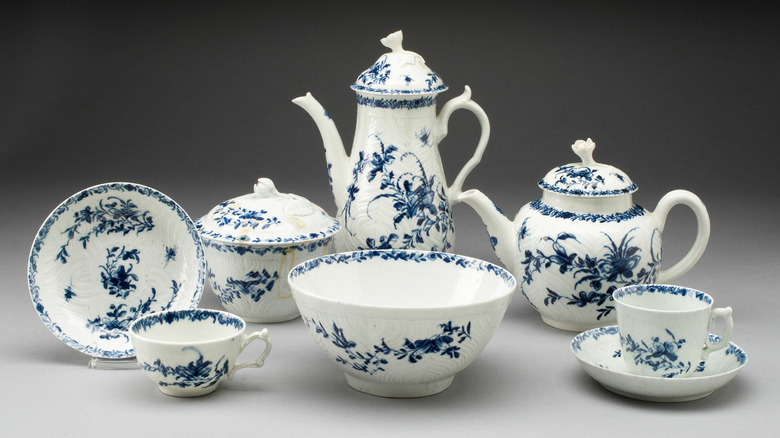
Being able to tell the difference from a modern reproduction doesn't require a magnifying glass or a degree in art history. The most reliable method involves holding the piece up to a bright light source to check its translucency. When you place a genuine 18th-century Worcester plate or cup in front of a strong lightbulb or brightly lit window, the white china should take on a distinct light green or smoky green hue. This unique glow happens because of the specific soaprock formula used by the factory during its early years, a sign of one of the most valuable brands of vintage porcelain.
Soaprock, or steatite, is a soft rock rich in magnesium that was ground down and mixed into the clay. This mineral addition allowed the porcelain to remain thin and delicate while becoming much more durable than standard soft-paste ceramics of the era. If the light passing through the material looks yellowish, gray, or remains a flat white, you're likely looking at a different manufacturer or a more modern copy. This light test is a favorite trick for seasoned collectors because it gives you an immediate answer without needing to see a factory mark.
Look for specific factory markings and textures to confirm your find
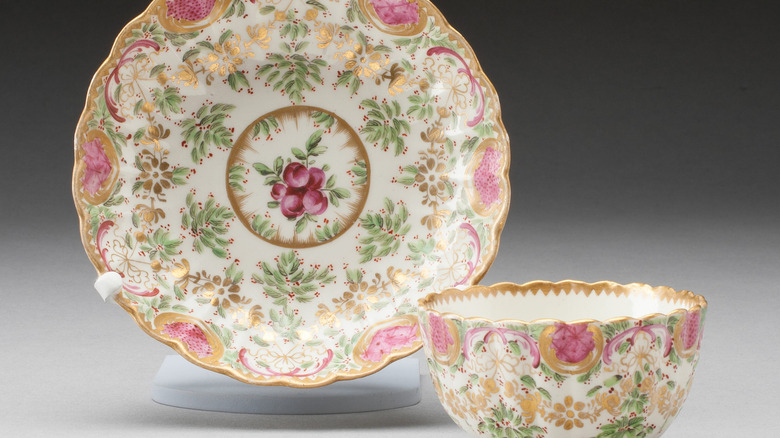
Once the color check passes, you should turn the item over to inspect the base for further confirmation of its age. Early pieces from the first period often feature a small blue crescent moon or square mark that looks like a Chinese character. As the company transitioned into Royal Worcester in 1862, it began using a more standardized circular stamp with a crown on top. You should also pay close attention to the texture of the glaze and the weight of the object. Authentic Worcester porcelain feels remarkably cold to the touch and lacks the crazing or crackling often seen on earthenware.
Collectors also look for the shrinkage line where the glaze meets the unglazed foot rim. Because of the firing process used for this material, the glaze often pulls back slightly, leaving a tiny, clean gap that is difficult for modern forgers to replicate. Early transfer-printed pieces were often decorated in a very specific shade of cobalt blue that sank deep into the glaze rather than sitting on top of it. If you run your finger over a blue design and it feels level with the rest of the surface, it's another sign the piece is authentic. Because the soapstone body is so sturdy, the surface is smooth and glass-like even after hundreds of years. If you find a thrift store piece that glows green under light—like an old-fashioned kitchen essential that deserves a comeback like an egg coddler—and it features hand-painted floral or bird designs with no surface cracking, you've likely found a valuable Worcester porcelain item hiding in plain sight.