

How To Utilize Underused Washing Machine Settings For Cleaner Laundry
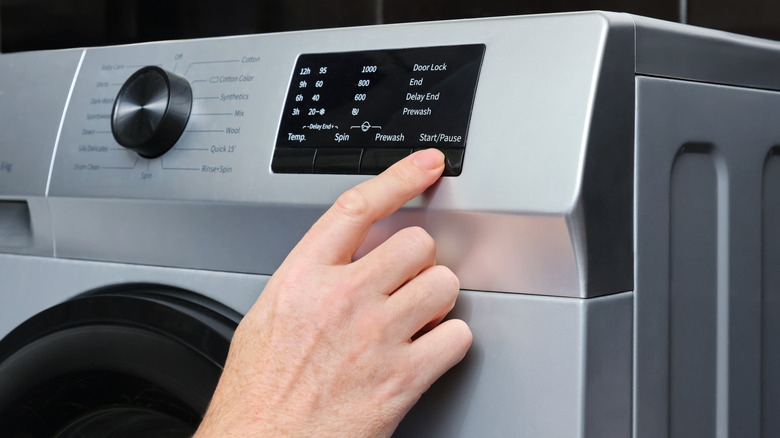
Long gone are the days when doing laundry meant beating your clothes against the rocks in a river to get those stubborn stains out. Believe it or not, dry cleaning laundry with gasoline was also once a thing. Fast forward to today, and nearly every household has a washing machine. Now all you have to do to get your clothes clean is put them in the drum, add a bit of detergent, and wait a few minutes. What many people fail to understand is that modern washing machines are full-on laundry assistants. They're packed with an array of settings and features that are often underused or overlooked: pre-soak, delayed start, quick wash, sanitize, gentle cycle, rinse, spin ... The list goes on.
Used correctly, these features will not only clean your laundry better but also make the work much easier. The trick is to know when to use which feature and how. Take, for instance, the pre-soak setting. You don't want to use this feature for your delicate clothing items — those made of silk or wool, for example. Keep in mind, too, that features vary across models and brands. If you can't find a particular setting on your washing machine, don't waste hours hunting for advice online. Instead, check your machine's user manual to see if it has it all along.
Pre-soak
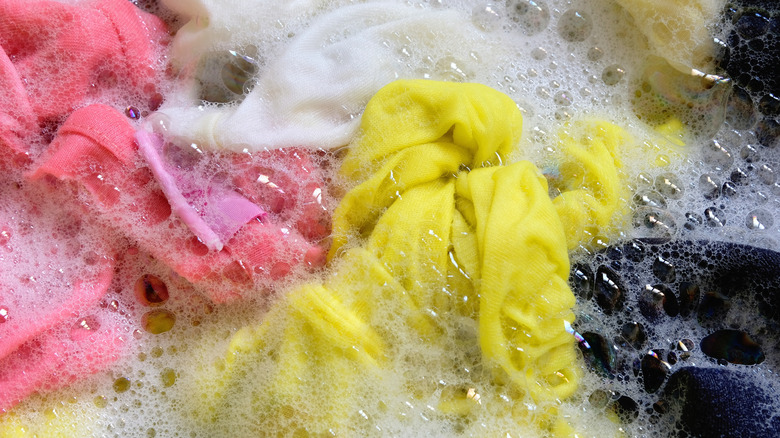
Pre-soak is probably one of the most underestimated and overlooked features in washing machines. If you don't know what it is, it is basically a mini-soak, often with a bit of agitation. It's used before the main wash. The aim is to loosen grime so the detergent can work better. Used correctly, this lesser-known washing machine setting could revolutionize your laundry routine. Just remember that pre-soak is not supposed to be used every load. Plus, this setting defaults to hot water; make sure to set it to use cold water if your clothes are not built to handle heat.
Delayed start
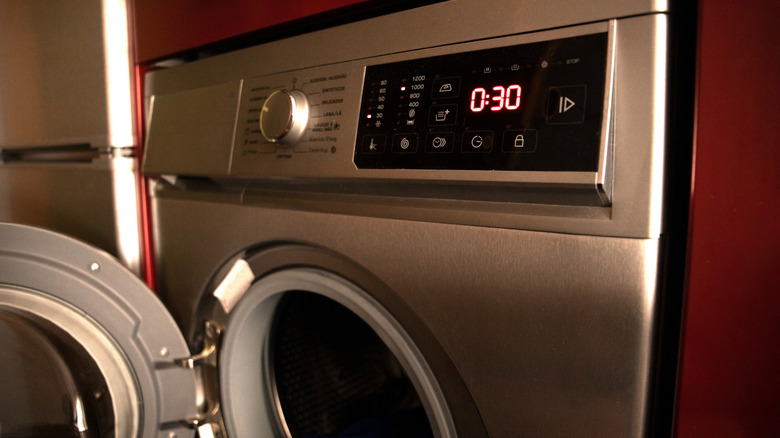
Delayed start is exactly what it sounds like. It lets you load the washing machine drum and set the cycle to start later. The feature is especially useful for people who want to take advantage of cheaper off-peak electricity rates. Depending on the model, you might be able to delay for minutes, hours, or even a whole day. Just keep in mind that you need to be around when the load finishes, so schedule your delayed start accordingly. You want to remove laundry quickly once it is washed or it sits there getting musty.
Quick wash
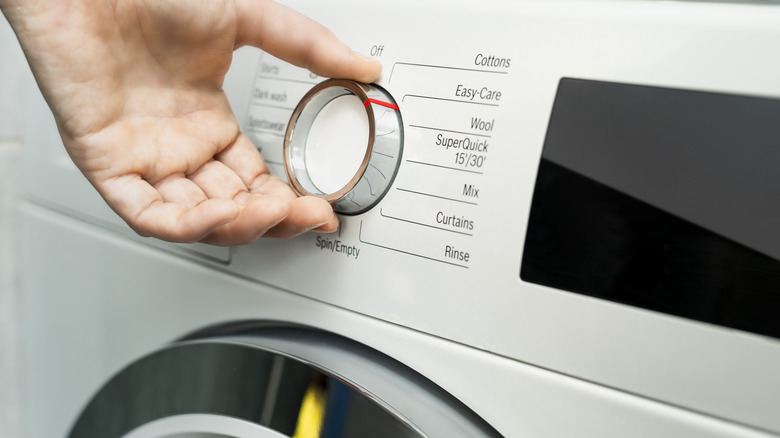
Quick wash, sometimes also known as fast wash, is just like a regular wash cycle but way shorter. It is great for times when you need to quickly freshen up some clothes or linens — a sweatshirt you wore an hour ago, workout tops, or a set of guest towels. Make sure to only use the quick wash laundry feature for small loads and lightly soiled items. Don't overload your washing machine when it is set to quick wash, either, and avoid using it for heavily soiled, stained, and bulky items.
Sanitize
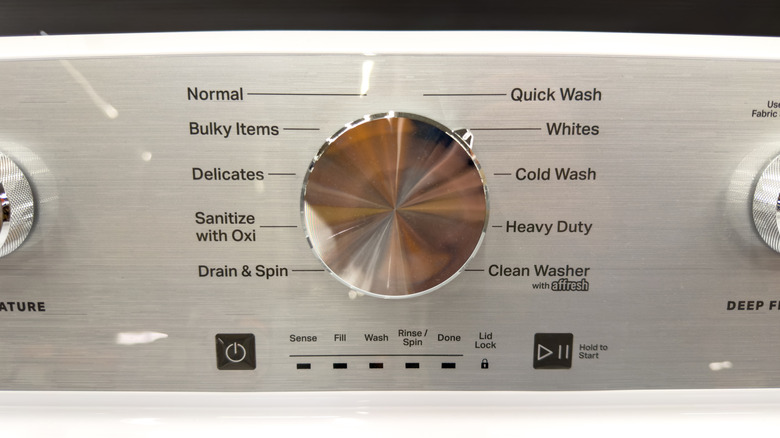
Imagine pulling out your laundry and thinking it is not just clean but germ-free, too. Well, that is exactly what the sanitize mode does. Unfortunately, few people are aware that their washing machine has this setting. You can use it when you are washing items like towels, bedding, workout clothes, or any other textiles that could be harboring germs. Don't use this setting with fabrics that can't withstand high heat, and don't use it too frequently. The extremely hot water this setting requires will fade non-colorfast fabric.
Delicate cycle
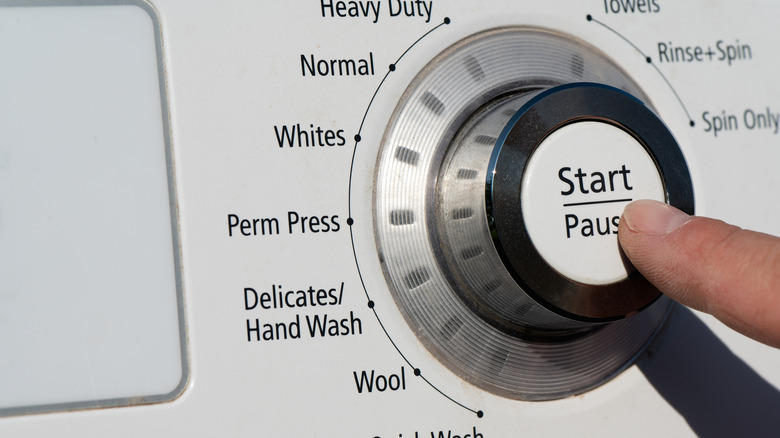
Delicate cycle or gentle mode is another washing machine setting that we should all use more often. As the name implies, you can use it to wash delicate clothing, like those made of silk or anything with lace. The delicate cycle setting agitates the clothes less and spins slower than normal. This helps prevent stretching, snagging, and distortion, which is perfect for delicate garments. Just keep in mind that when your machine is in gentle mode, you will also need to be kind to your washer. Don't overload it or add heavy items.
Rinse-and-spin
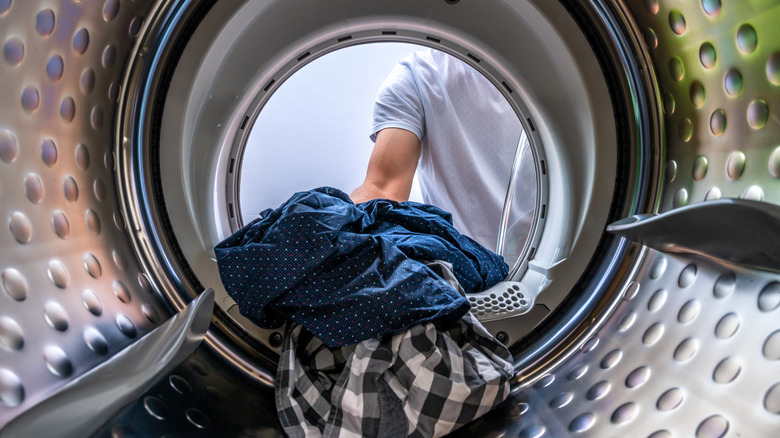
Ever been in a situation where you used too much detergent and now everything feels soapy? Perhaps you let your clothes sit wet for too long and they've lost their freshness. Well, that is exactly where the rinse-and-spin cycle can help. It will rinse your clothes with clean water and then spin them at a high speed to get all the water out. It is also an excellent option for swimwear, which often needs rinsing but not cleaning. Just remember that you don't use detergent for this mode, so it is not suitable for really dirty clothes.
Tub clean
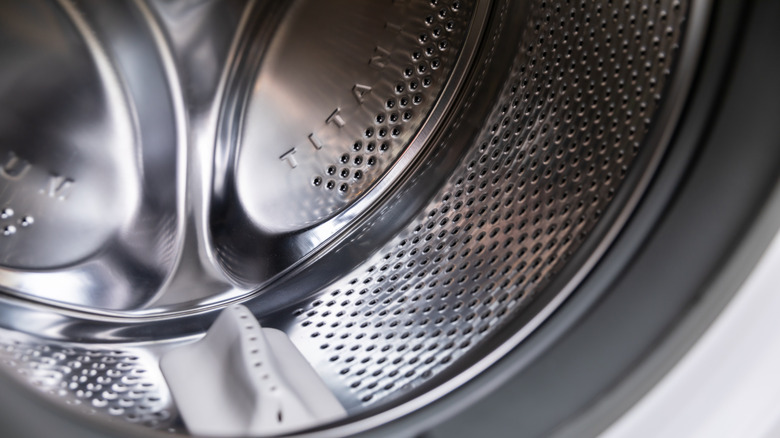
Tub clean, self-clean, or clean washer is another setting that most people simply ignore because it does not wash clothes. But really, every homeowner should run it once in a while. The mode cleans the washing machine tub by removing detergent buildup, mildew, and odors. Switching it on about once a month is more than enough for most households. Don't put any clothes or fabrics in the washing machine when using this feature. If your washing machine doesn't have this feature, there are many other ways to clean a washing machine using common household items.
Soil level
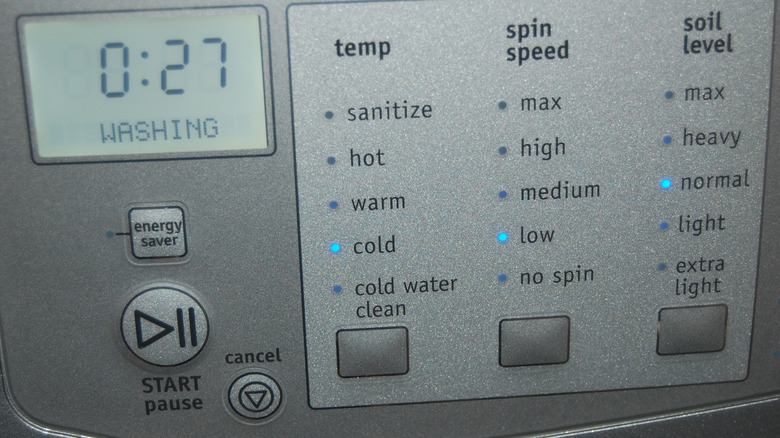
If you are like most people, chances are you have never used the soil level setting on your washing machine — perhaps you've never even heard of it. If you know how to use it, it can make a really big difference to your laundry. Put simply, the soil level setting tells your washing machine how dirty the items inside are. The dirtier the textiles, the higher the soil level you need to select. This mode changes the wash time and actions, such as agitation and spin. The downside? It might tangle or wrinkle your clothes.
Steam clean
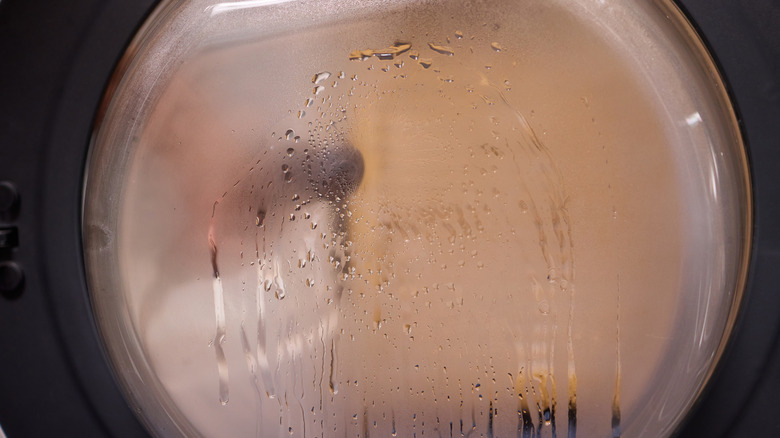
If you are trying to avoid wrinkles in your clothes but still want to get those stubborn stains out, there is another setting you can try: steam clean. It works by adding additional soak and wash time to the laundry cycle without adding rough movement. Just make sure not to overfill the washing machine drum when using this feature. A large load of clothes can block the steam from moving around, reducing efficiency. Also, steam is hot, so don't use this setting with heat-sensitive materials like silk, wool, or leather.
Deep fill
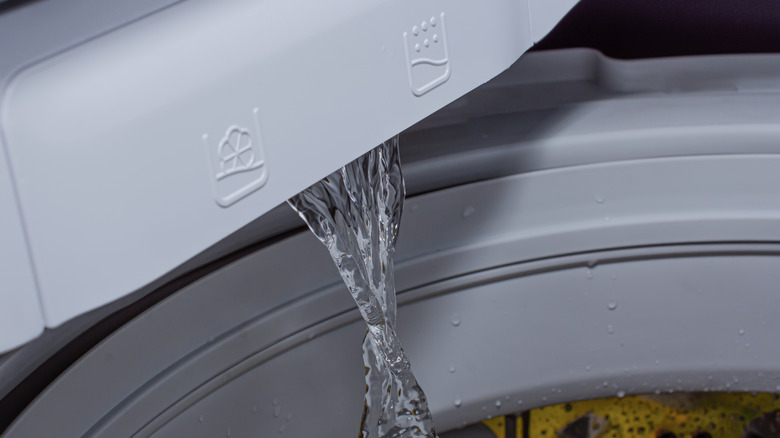
Ever been in a situation where you toss something bulky, like a blanket, into the washer and notice the water level feels a little too low? Well, that is where the deep fill setting comes in. It lets you add more water to the drum for those bulky loads that need more room to move. You can also use it for heavily soiled items — debris that doesn't easily dissolve in water, like pet hair or grass. Just make sure not to use it for regular wash cycles. Your clothes may not get properly clean or they may tangle.