

8 Items You Should Stop Storing In Kitchen Cabinets
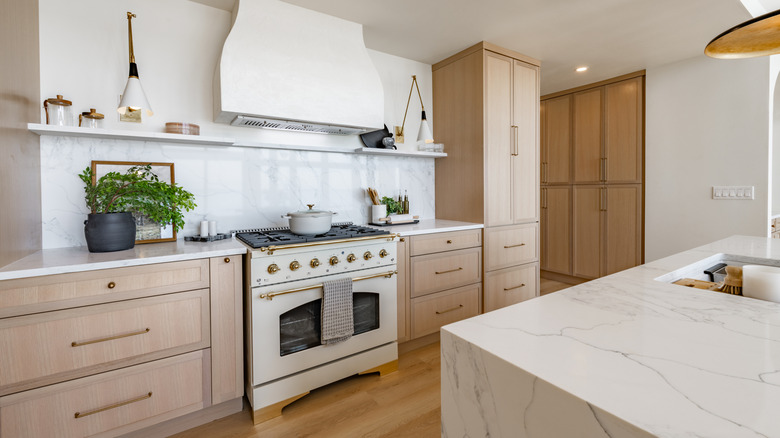
The kitchen might be where cooking and eating happen, but it's also a gathering spot in many homes. This room has quickly become a living space where family and friends spend time with each other. And with this space becoming a more multi-purpose room, you might find that more and more items are ending up on your counters, in the drawers, and inside the cabinets. Just because so many of these things end up in kitchen cabinets, that does not mean they should be stored there.
If you're testing out simple tips for a perfectly organized kitchen, you may want to focus on the cabinets. Although it makes sense to store dishes, pots and pans, nonperishable foods, and even cookbooks in your kitchen cabinets, there are some items, such as tool kits or extra cleaning supplies, that are simply taking up room or don't belong hidden behind these doors. Instead of wasting valuable storage space in your kitchen, consider pulling out some of your less-used items or items that belong in other spaces and giving your kitchen cabinets a declutter.
Specialty appliances and cookware that are rarely used
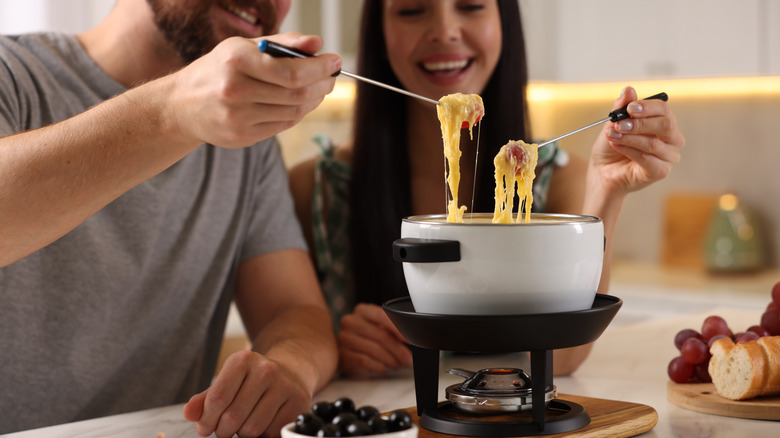
For many people, there never seems to be enough storage in the kitchen for everything, which is why you should skip storing those rarely used specialty appliances and cookware items in your valuable storage space. If you have fondue pots, bread makers, and other items that only make special appearances when company is coming or you're in the mood to shake things up, try storing these outside of the kitchen. That way, you are leaving easily accessible room for things you actually reach for often.
Produce that goes bad quickly
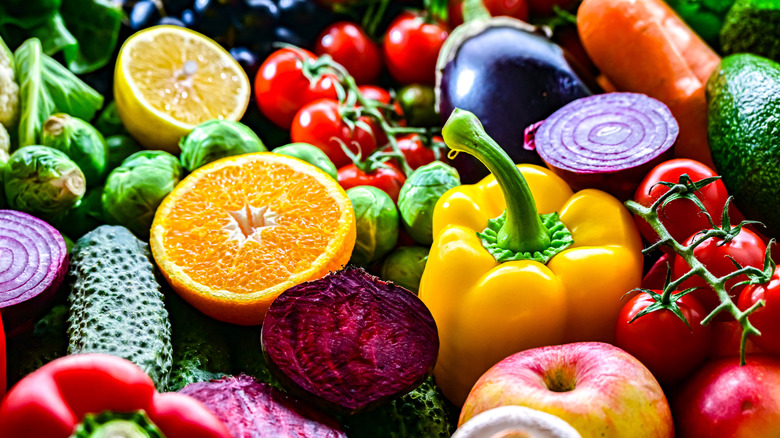
While there are some produce items that need a cool, dry space to stay fresh, there are plenty of other fruits and vegetables that do not belong inside of your kitchen cabinets. A lot of produce, including asparagus, mushrooms, carrots, greens, and most fruit, needs to be refrigerated. Others need ample air circulation, which isn't available behind the closed doors of your cabinets. Even fruits and vegetables that can be stored in cool, dry places still need air flow, so consider alternative options when it comes to fresh food products.
Tool kits
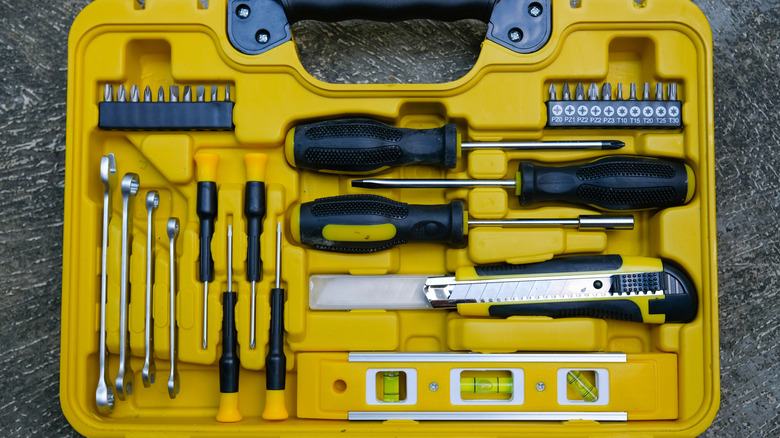
If you have a junk drawer in your kitchen, you might have a tool or two in there, just in case. While a screwdriver or a wrench in a drawer is one thing, storing an entire tool kit in your kitchen cabinets isn't recommended. Not only does it take up valuable storage space, but it can also make your cabinet feel cluttered to have items that would be best stored in a garage, shed, or utility room. Plus, kitchens are often humid, which can cause damage, like rust, to tools.
Pet food and bird seed
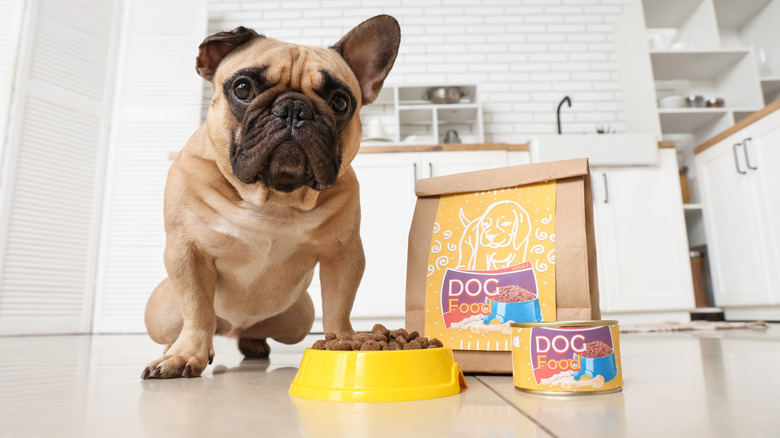
While many people treat pets like family, that doesn't mean their food should be stored in kitchen cabinets next to human food. Doing so is the storage mistake that's inviting more bugs into your kitchen pantry and cabinets. Dry dog and cat food and bird seed, can attract bugs, especially roaches. Dry food can also carry a pungent odor that permeates, even when stored in airtight containers. Even canned pet food might be best stored away from canned human food, as mistakes can happen and you don't want to take a bite of Fluffy's dinner.
Bug sprays and powders
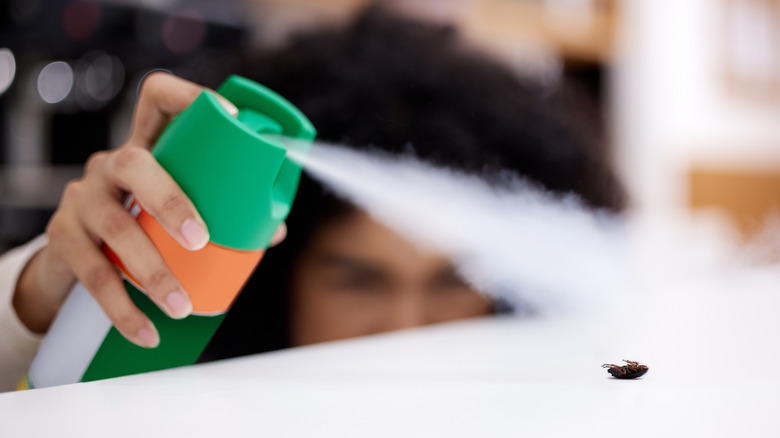
It might seem easy to store bug sprays and powders under the kitchen sink, but it's actually not the best idea. Especially in lower cabinets, these poisons can be easily accessible to pets and children, which can be hazardous. At the same time, the kitchen is where food is being handled and prepared, so you don't want to store chemicals that can make people sick if ingested in this area. It's best to store them away from rooms where food is being cooked and served.
Expired food and spices
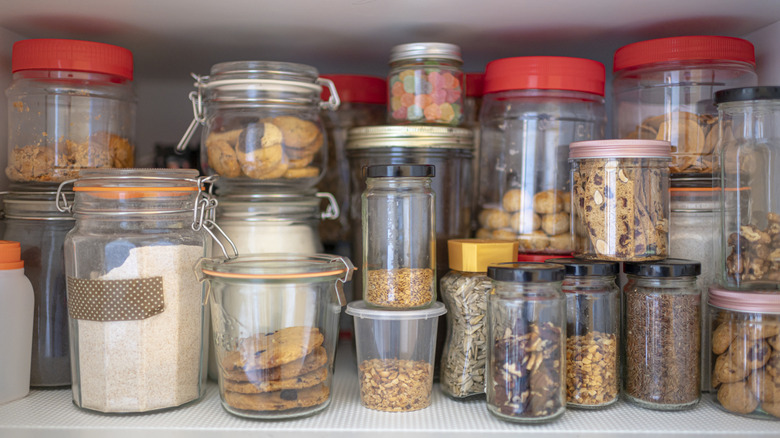
Cleaning out cabinets of food and spices that are expired is important. While some items might still be edible, they often lose flavor or decrease in quality. Other items may no longer be safe to eat, which is why you want to keep track of the best-by dates, especially with liquids. Things get lost on cabinet shelves as new food is purchased and things get pushed into corners. Get rid of things that are expired and keep older items toward the front of the cabinet, so that they can be used first.
Excess cleaning supplies
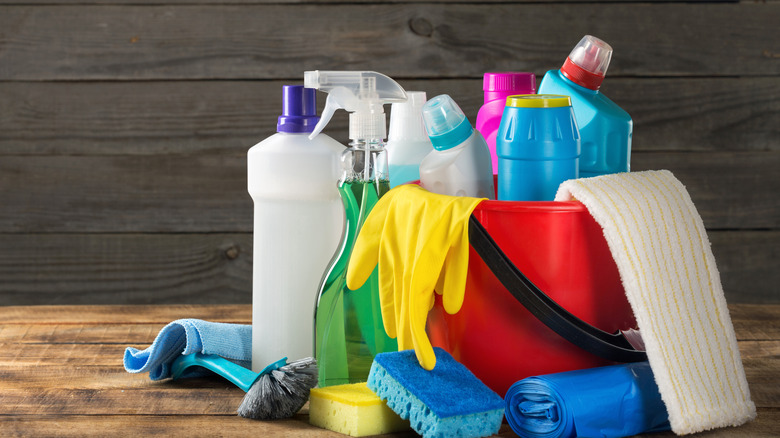
Considering cleaning products are quite often poisonous, containing toxic chemicals that should not be ingested, it makes sense not to store these items in your kitchen cabinets. While some people will put things like dish soap, sponges, and dishwasher pods under the sink, having multiple cleaning supplies in your kitchen cabinets can be a bad idea. Instead of keeping products like window and counter cleaners in the kitchen, find ways to store and organize your cleaning supplies out of sight by moving them to a storage closet or laundry room and away from your food.
Reusable shopping bags
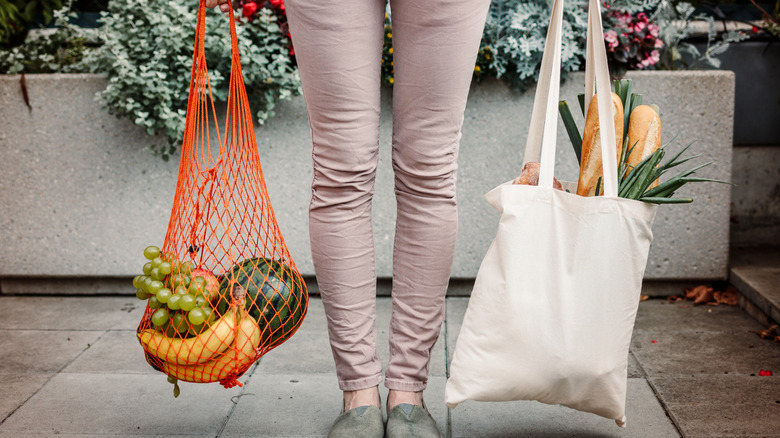
As sustainability efforts increase, more people are using reusable shopping bags. While it makes sense to store these bags in the kitchen after emptying your groceries, keeping them in your cabinets can take up valuable storage space, while creating clutter (even behind closed doors). Instead of keeping your shopping bags in your kitchen cabinets, consider storing them in a closet closer to the door — this way you can grab them on your way out to the stores. Or, even better, put them back in your car so you don't forget them on your next shopping trip.