

Ready To Get Started Gardening? Seeds That You Should Think Twice About Starting Early
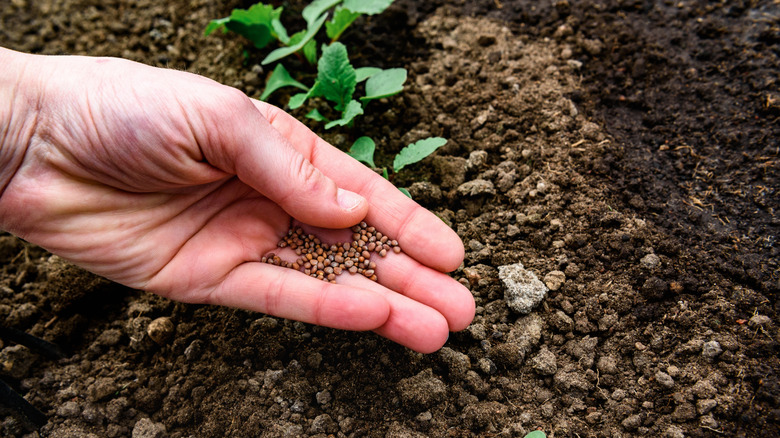
After a long winter, you may find yourself antsy about starting your garden sooner rather than later. However, if the weather isn't cooperating just yet, your only answer may be to start your seeds indoors. Some plants thrive when started early (especially indoors), giving them a chance to grow even before the weather is ripe and the threat of frost has passed. However, for certain plants, one of the biggest gardening mistakes you can make is starting them too early.
In some cases, such as cucumbers, if you start your seeds too far in advance, your plants will outgrow their seedling trays before the winter weather has passed. Other plants like corn, however, don't hold up well to transplanting, and rather than starting their seeds early indoors for a head start, it's best to wait and sow them directly outside once the weather warms up.
If you're already shopping for seeds, it's important to familiarize yourself with the proper sowing time for your plants. After all, if you decide to opt for any of these seeds, starting prior to your region's last frost date could spell disaster for your future garden plans.
Cucumbers
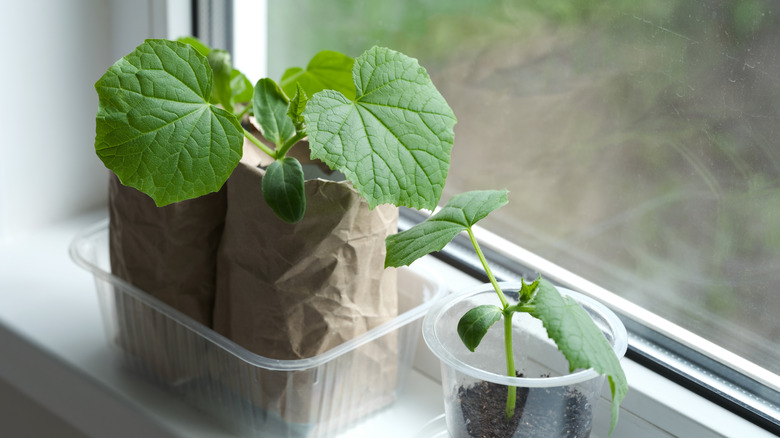
Cucumbers (Cucumis sativus) are easy to grow, making them a good beginner-friendly pick. However, they also grow rapidly when planted, sprinting from seed to fruit in just under two months. As a result, it's best to think twice about starting your cucumber seeds early. Because of their growth rate, they can quickly outgrow seedling trays, and because they can't survive cold temperatures at night, you likely won't be able to start them outdoors. Indoor conditions in winter can also leave your cucumbers lackluster, especially without the right lighting. Consider waiting until later, around April, to start these seeds indoors instead.
Squash
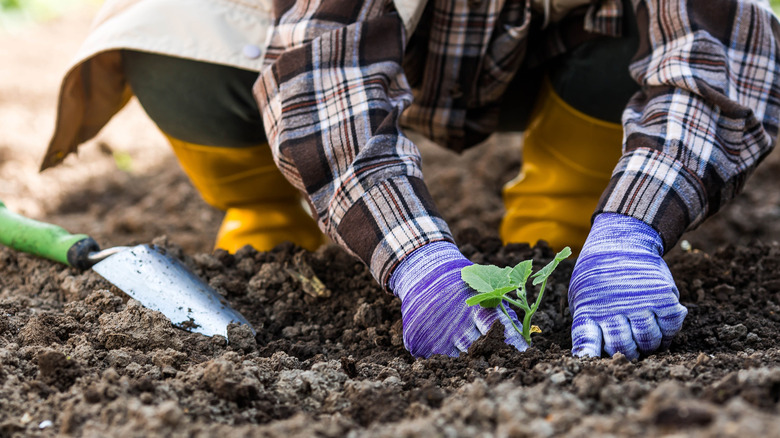
Squashes, such as zucchini (Cucurbita pepo), are actually in the same family as cucumbers, and as a result, they face similar issues when started indoors early. Starting squash indoors in the first few months of the year can seem like a great way to jumpstart your garden. However, late winter sowing can leave your plant outgrowing its container before outdoor temperatures can accommodate transplants. As with cucumbers, save indoor seed starting for the middle of spring, when the threat of frost has passed. That way, once it's time for transplanting outside, the weather can accommodate healthy squash growth.
Corn
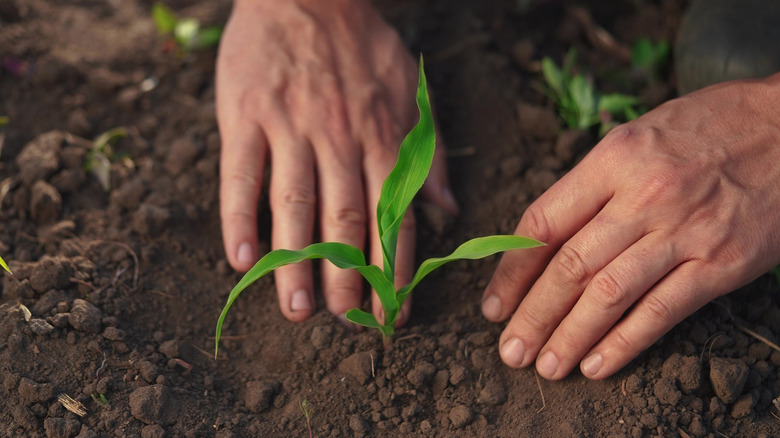
When it comes to starting seeds indoors, you may want to skip corn (Zea mays). This is because corn tends not to transplant well. And because corn requires soil temperatures of at least 55 degrees Fahrenheit, you'll be unable to successfully start these seeds early outside. Instead, aim to plant your corn seeds once the threat of frost has passed and spring has arrived. For some varieties of corn, the middle of April is often a sweet spot for sowing.
Melons
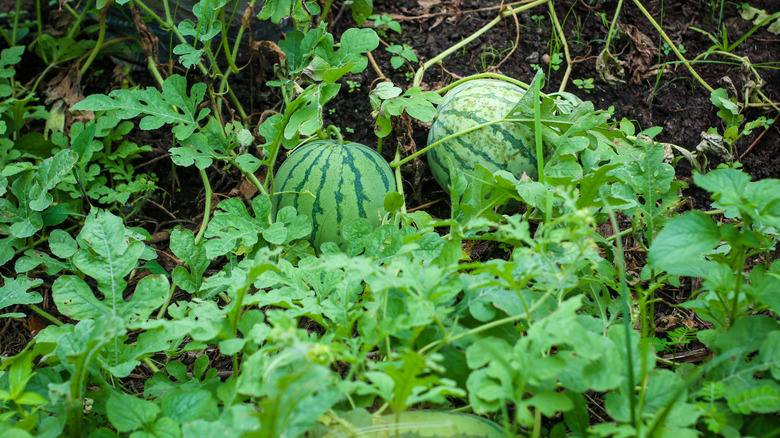
Watermelons, cantaloupes, honeydew — all of these are examples of melons, as well as seeds you'll want to think twice about starting this winter. Melons can be quite finicky when it comes to their temperatures. For the best results, their soil temperature needs to be at least 65 degrees Fahrenheit. They also sport delicate root systems that can break easily, which can make transplanting difficult. As a result, instead of starting seeds early in winter, plan direct sowing in spring or even summer, when the soil temperatures in your region are warm enough to accommodate their growth.
Beans
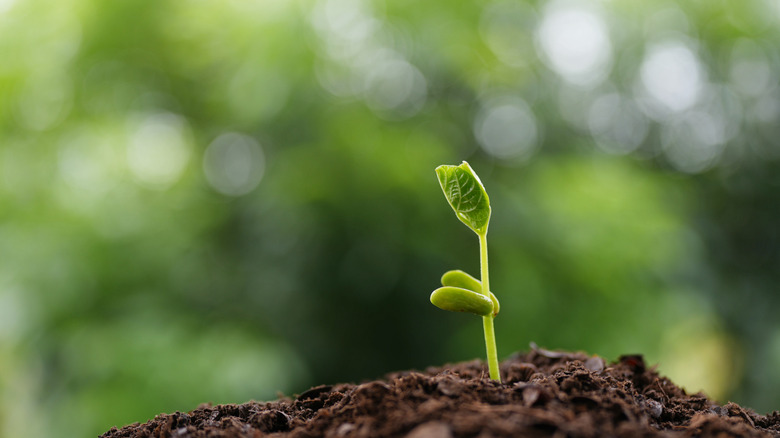
Beans are another no-go when it comes to early sowing. First and foremost, beans don't transplant well, which can cross another indoor start off your list. They also need warm soil temperatures, usually no lower than 70 degrees Fahrenheit, and ample sunlight, which may not be accessible during winter in many areas. While the best time to sow can vary based on your specific location, you may want to wait until May for conditions to be hospitable to bean seedlings.
Sunflowers
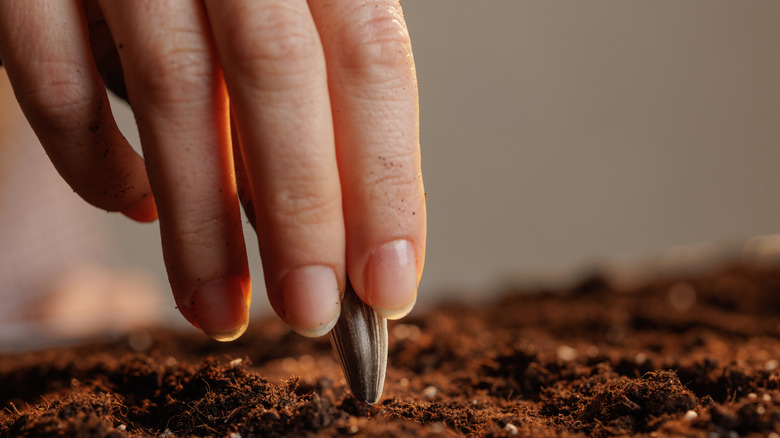
Many perennial flowers require a period of cold stratification for successful growth, which makes winter perfect for this process. However, one big difference between perennials and annuals such as sunflowers (Helianthus annuus) is that you want to avoid starting tender annual seeds early. Sunflowers, for example, are sensitive to low temperatures, so a late spring start can keep them safe from the threat of frost. They also have a fragile taproot, which can reduce the success rates of transplanting from an indoor start to the garden.
Tomatoes
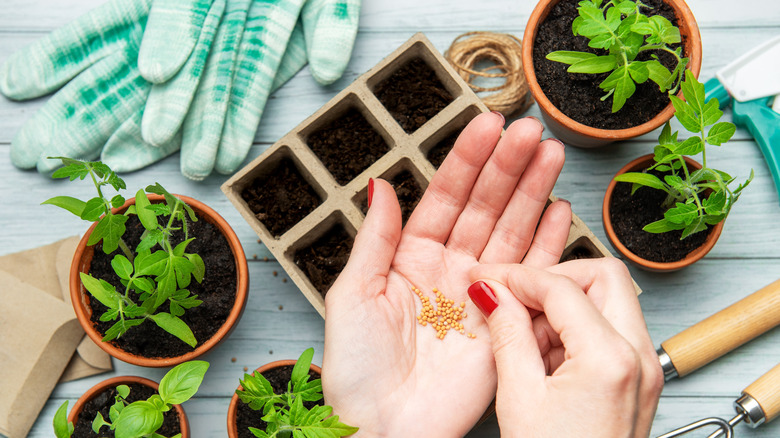
In some warm climates around the world, you may be able to grow tomatoes (Solanum lycopersicum) as perennials, where winter temperatures won't be harsh enough to throw off their success. However, for most American gardeners, tomatoes are another example of seeds to think twice about sowing early. As a common summer staple, tomatoes need warm weather and soil of at least 60 degrees Fahrenheit to thrive outside. Growing anything other than small varieties of tomatoes inside can also pose a challenge, making this plant better for late spring or even early summer sowing.
Eggplants
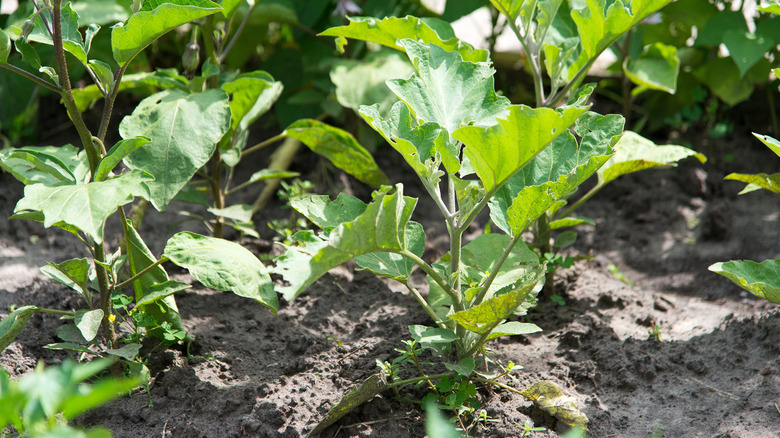
Eggplants (Solanum melongena) are similar to tomatoes in that they're a warm-season plant. They grow their best when the surrounding temperatures are at least 70 degrees Fahrenheit, and they require warm soil for successful germination. Top off their temperature requirements with a need for bright, full-sun conditions, and winter is a no-go for successful sowing. As a result, the best time of year to grow eggplants is instead spring or summer. Start your seeds indoors around April, depending on where you're located, with no worries about frost before transplanting them outdoors.