

What To Consider Before Buying A Used Snow Blower
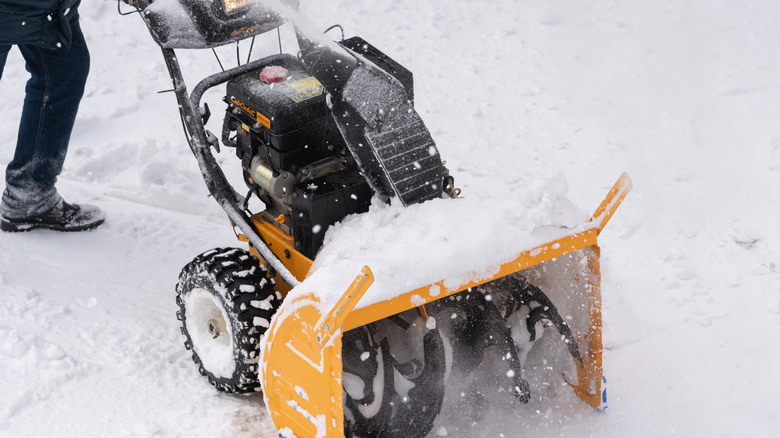
Buying a new snowblower is a massive investment. If you live in an area with cold weather but only see a few major storms a year, spending four figures on a shiny new blower is understandably worth hesitating over. Buying a used snow blower is one workaround — it's less expensive and still nets you plenty of snow-removing power. But much like buying a used car, choosing a used snow blower means you have to be wary of buying a lemon.
If you're at a seller's house looking at their snow blower, consider the human side of this transaction before you start testing anything. How a seller treats their garage is often a good indicator of how they treat their equipment, so their habits are the first thing you should look at. Then, gather more information about the machine. Ask if the snow blower has had any repairs and where it has been stored. Then, ask what fuel they've used. If they mention ethanol-free gas and fuel stabilizers, you're probably looking at a well-maintained engine; if they look at you blankly, that carburetor could be gummed up.
And always ask the seller not to start the blower before you get there; you want to see a true cold start. If the engine is already warm when you get there, the seller might be hiding a machine that takes 20 pulls to wake up. Finally, pull the dipstick to check the oil quality. The oil should look golden or nearly translucent, and it should be between the Full and Add lines on the dipstick. These small details will give you a good first glance at the blower's history and help you determine if the current owner followed tips to extend the life of the snow blower.
How to perform a hands-on inspection for a used snowblower
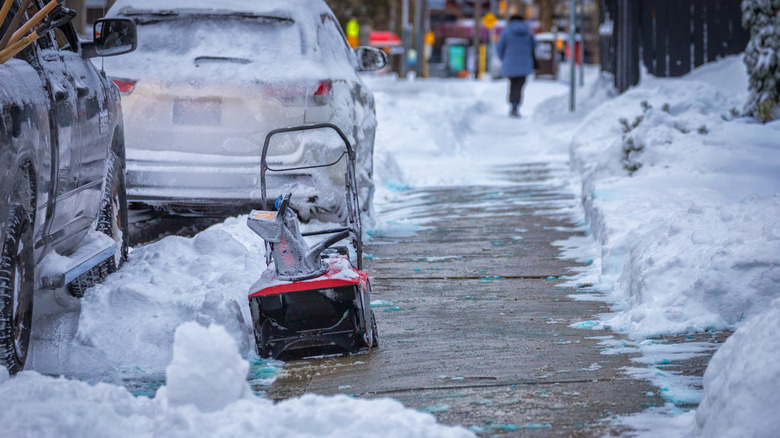
After all that, it's time to check the major components that do all the heavy lifting. Start the engine and listen for surging (this is where the engine sound rises and falls rhythmically). This usually indicates a carburetor issue that'll need attention. While the engine is running, engage the auger; the snowblower should stay steady under the load. If the engine stalls as soon as the blades start spinning, the blower could lack the internal compression it'll need to actually throw heavy, wet snow during a big storm. That'll be a costly fix.
Next, power the blower off so you can look at the underside safely. From this angle, look for significant dents, bends, or looseness on the auger blades and center shaft. While you're down there, check the tires for cracks or other issues. Inspect any metal moving parts to see if they're corroded with rust or salt. Then, make sure the chute rotates smoothly and that the electric start button works (if it has one). Lastly, check that the belts are not frayed and stay in place when the blower is in gear. If there are minor issues, you'll want to know whether to repair or replace parts for what's best for the snow blower.
Any issues you find should be small and easy to fix; otherwise, consider asking the seller to knock a few bucks off the asking price. See if it comes with a manual or cover, too. By taking a few extra moments to check on a snowblower's mechanical vitals now, you can be sure you're buying a blower that'll give you a simple way to make driveway snow removal easier the next time it snows.