

Furnace Prices Rising: Here Are Heating Alternatives To Consider For Your Home
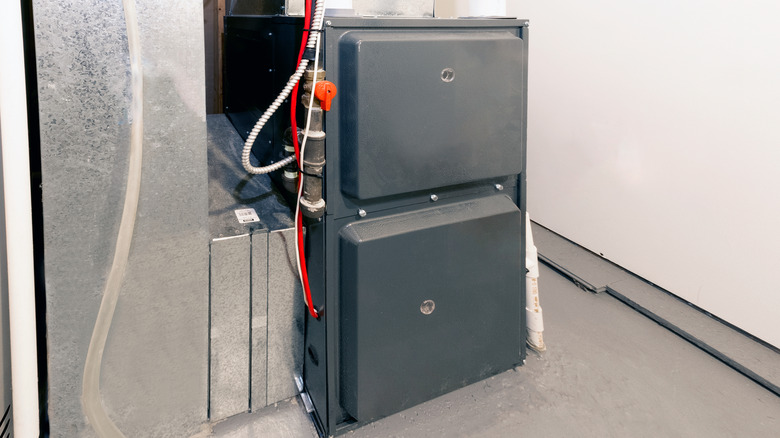
If you were to inquire about the cost of a new furnace in the market today, you would likely experience major sticker shock. Since the pandemic, prices for many units have increased by nearly 2.5 times. The worst part is that prices are not expected to ease anytime soon. To understand why this is the case and what homeowners could do instead, House Digest reached out to Matt Gorbacz, HVAC Specialist at Clean Air Technologies, for an exclusive chat. He explained it this way: "Furnace prices are projected to rise, and in many cases they have already risen. This is happening mainly because of higher equipment manufacturing costs, supply chain adjustments (especially after COVID), increased labor costs, and stricter efficiency regulations."
Gorbacz attributes the rising manufacturing and installation costs to the need for greater efficiency levels. Manufacturers rely on complex components and electronics, which cost more, to meet higher efficiency standards. He also notes a steady rise in raw material costs, including steel and copper. Because most heating systems rely on these materials, higher prices directly affect retail costs.
Interestingly, this trend isn't even experienced uniformly across the country, according to Gorbacz. "For example, the Midwest and Northeast are especially impacted because furnaces are the primary heat source and their demand stays high every winter. Plus, in colder regions like these, homeowners need higher-capacity systems, which cost more upfront." Costs can rise further in older homes that require ducting or venting updates to accommodate newer systems.
Consider replacing furnaces with heat pumps
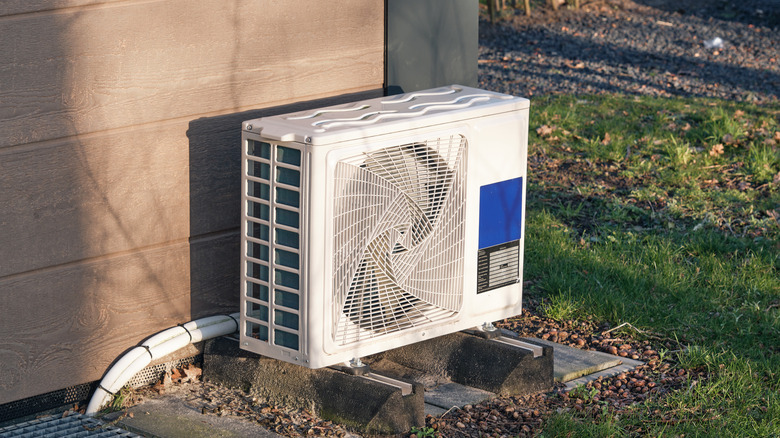
To offset rising furnace prices, Gorbacz recommends considering heat pumps. "Heat pumps are a good alternative because they don't generate heat; they move it. This makes them far more efficient than traditional gas or oil furnaces." Energy Star estimates that air-source heat pumps (ASHP) can be up to three times more efficient for the electricity consumed. Another advantage is that "the newer cold-climate heat pump models are designed to operate efficiently even when outdoor temperatures drop below freezing," he elaborates during his exclusive interview with House Digest. Cold Climate-rated ASHPs can operate efficiently down to about five degrees Fahrenheit. However, you'll need a secondary backup to keep the utility bills down past that point.
Another reason to say goodbye to traditional HVAC systems and welcome heat pumps in their stead is that they provide both heating and cooling. So, you don't have to run a separate air conditioner and gas unit. This also plays well in states changing their regulations for environmental benefits. For instance, Colorado recently passed a new furnace law, limiting high-emission furnace installations, with other states expected to follow. Once existing inventory is depleted, prices for newer ultra-efficient systems could rise significantly. Luckily, Gorbacz notes, "they qualify for federal, state, and utility rebates, which help offset some of the upfront cost".
Heating alternatives for zoned heating
Since air-source heat pumps utilize existing ductwork, they're easily installed in most homes. However, if a certain area of your home lacks ductwork, Gorbacz suggests using ductless mini-split heat pumps instead. Elaborating on why he makes this recommendation during his exclusive House Digest interview, he adds, "This will also help reduce overall heating costs as it will heat only the spaces you're in and not the entire home." Energy Star estimates that mini-split systems can reduce energy use by up to 60% compared to electric radiators.
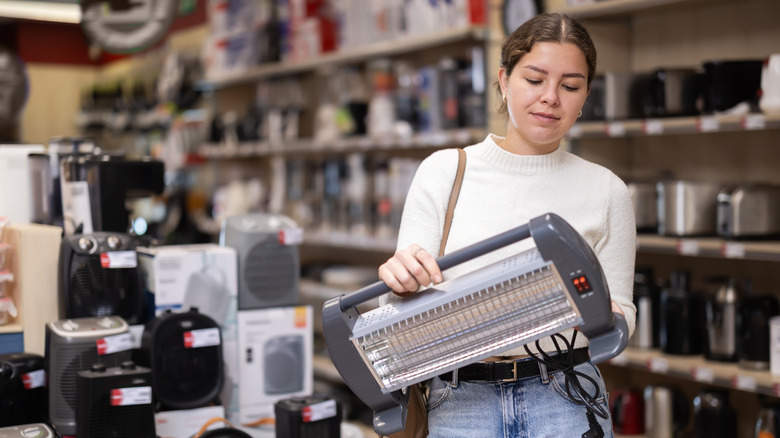
Along with mini-split heat pumps, Gorbacz also sees portable heaters and electric systems as useful short-term or supplemental heat sources. He mentions, "You can use a portable electric space heater to heat a single room that's in regular use, and lower the central thermostat and avoid heating the entire house unnecessarily." This approach can be especially appealing for remote or hybrid workers. "Similarly, you can use electric baseboards or wall heaters in areas like finished basements or rooms without ductwork, since they don't require major installation changes," he adds.
If you choose to ditch furnaces for more efficient alternatives, he advises factoring in safety and sizing. For instance, portable heaters should be kept away from combustibles. "And if you are switching from gas to electric heating, make sure the electrical systems can handle [the] added load," he says. His final advice is not to wait for a furnace to fail before planning a replacement, as emergency replacements often cost more.