

It's Time To Stop Believing These Home Heating Myths
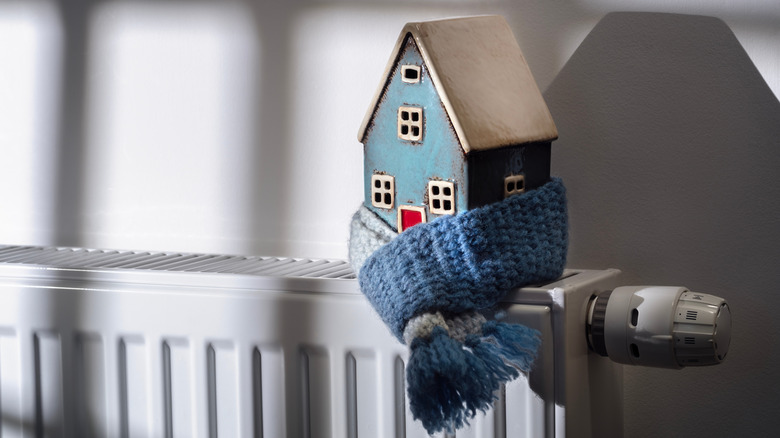
When the weather turns icy, there's nothing better than cranking up the heat and hunkering down indoors. Many of us will go to great lengths to keep our homes warm during the winter months, and in the process we may be willing to try or believe almost anything to stay cozy — and to save money while doing so. However, in our desperation, we may also unintentionally subscribe to some home heating myths that simply aren't true.
Some of these myths, such as buying an extra-large unit in the hopes of generating lots of heat, can actually damage your home's heating system over time; while other myths, such as using space heaters to save money, may end up actually costing you more money in addition to leaving much of your house icy cold. So to stay toasty, save some cash, and also save yourself some headaches, steer clear of these common home heating fallacies.
Myth: Closing vents saves heat
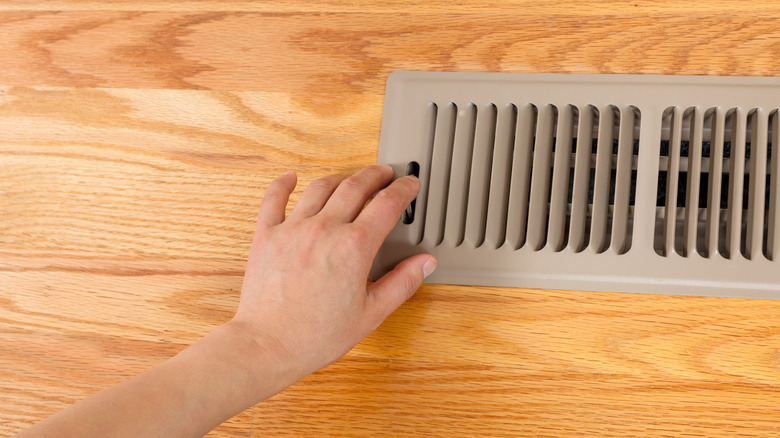
It seems like it would make sense that by closing off vents in rooms that don't need to be kept warm, you can save money on heating costs.
But in reality, the same amount of heat is produced no matter how many air vents are open; and keeping vents closed while running the heat can actually lead to damage to your HVAC system, force the unit to work harder, which ends up increasing energy costs, and it can even increase risk of mold and mildew growth. So keep all vents open to allow consistent flow throughout your home.
Myth: Painting your radiator black can make your home warmer
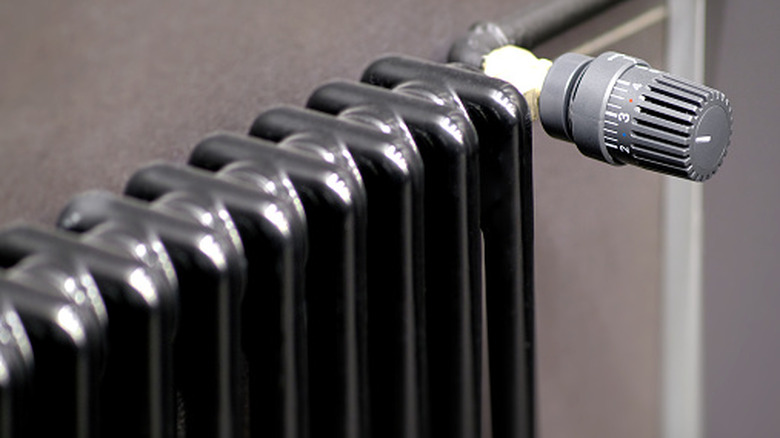
It's true that black-colored objects emit more thermal radiation, but unfortunately this doesn't translate to a cozier house with black radiators.
Most of a radiator's heat comes from convective heat, which warms the surrounding room, not thermal heat, which warms individual objects; so while a tiny bit of additional heat may be generated by black radiators, the amount is so small that you won't even notice it. Plus, covering up your radiator in a layer of paint in any color can actually hurt your radiator's performance.
Myth: Turning ceiling fans off keeps the house warmer
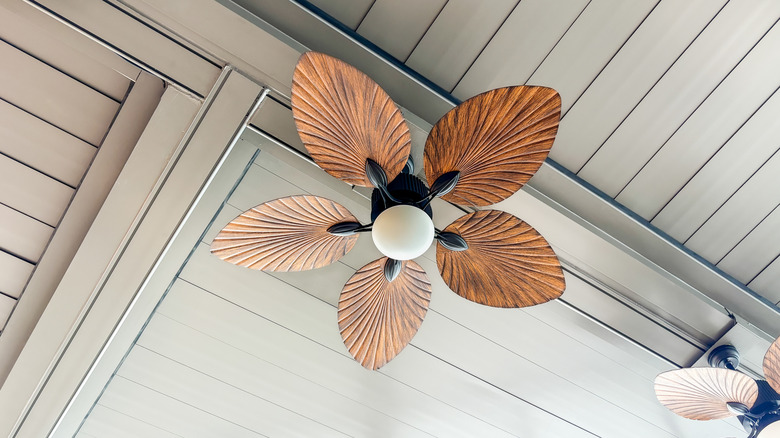
You may think that your ceiling fan is only for balmy summer days, and that leaving the fan on in winter will make your house colder.
But since heat rises, a lot of the warm air generated by your heating system actually collects near the ceiling, so your ceiling fan can come in handy in the wintertime by redistributing all that warm air around the rest of the room. Just don't get carried away; keep the ceiling fan on a lower setting so that things don't get too chilly.
Myth: Lighting your wood-burning fireplace saves heating costs
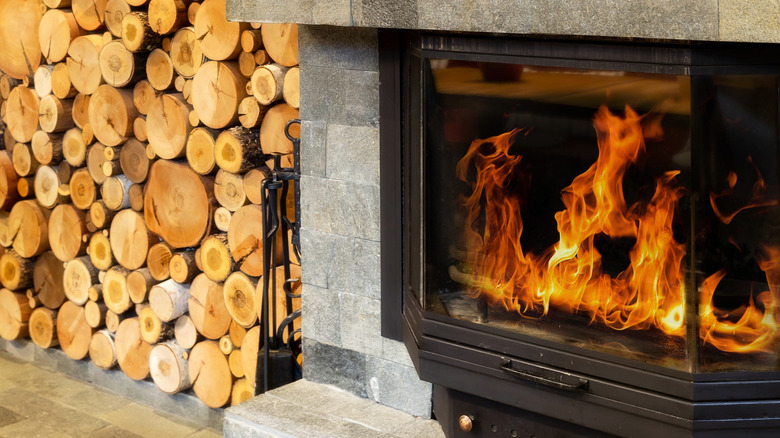
Wood-burning fireplaces are cozy to gather around, but believing that they can replace or supplement heating systems is misguided. Wood-burning fireplaces are great for ambiance, but not so great at providing heat — and may even have the opposite effect.
As Josh Mitchell, HVAC technician and founder of Air Conditioner Lab, told Homes & Gardens: "People assume running a fire saves money. But traditional fireplaces often suck warm air out of your house through the chimney, especially if the central heat is on. That pulls cold air in from outside to replace it."
Myth: New windows will fix cold drafts
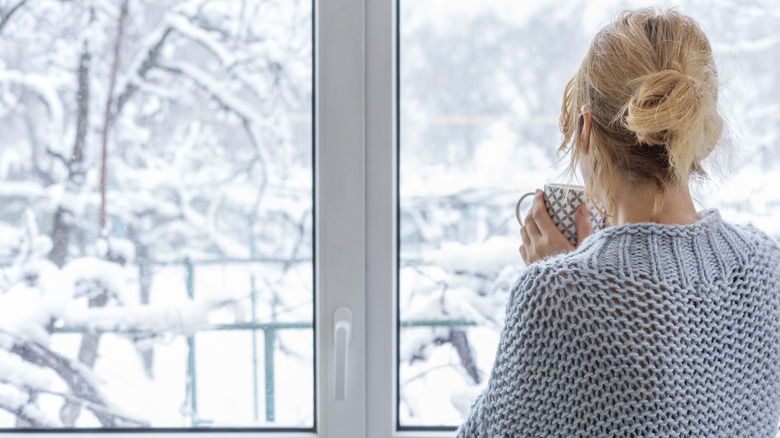
If your home feels chilly, drafty windows are often labeled as the culprit. But new ones aren't necessarily the way to a warmer house. In fact, drafts are often caused by other vulnerabilities, such as holes in your home's exterior, not by the windows themselves.
A window that isn't properly aligned can also be responsible for cool blasts — meaning that even brand new windows can have draft issues if they aren't connected properly. If the windows are indeed the problem, insulating them or sealing gaps can do the trick in lieu of new windows.
Myth: Bigger is better when it comes to heating systems
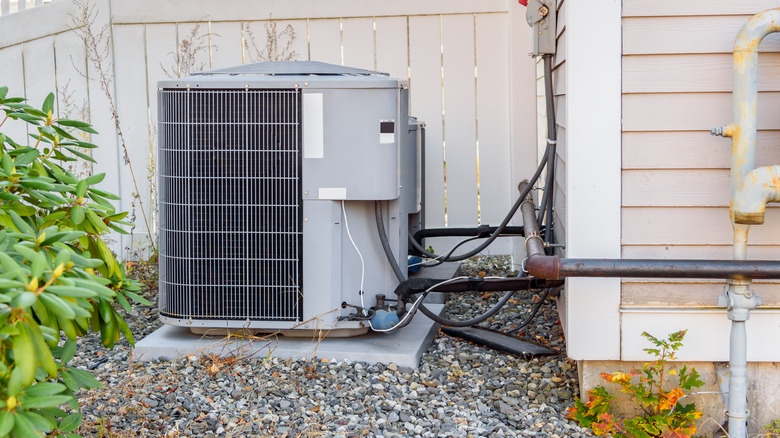
In an effort to heat up your home as quickly and warmly as possible, you may try to track down the biggest heating system you can find. But larger units aren't necessarily more effective. In fact, if it's too big for the space, the heating system can turn on and off too frequently, which makes it more susceptible to damage over time.
Instead, it's important to select a heater that correlates with the size of the space you're working with.
Myth: Cranking up your thermostat gets the heat going faster

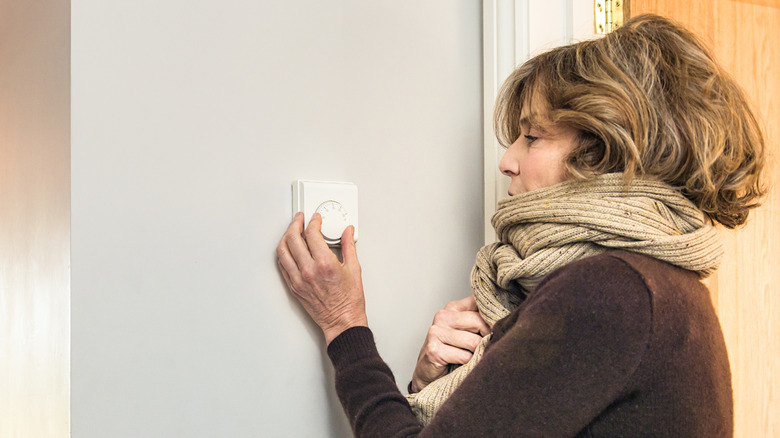
When you're feeling chilly, it may be tempting to keep frantically cranking the thermostat up to higher temperatures in the hope that it will heat your home faster. However, this common thermostat myth costs you money.
Turning up the thermostat will make your heat run longer, but doesn't heat up your home any faster. In reality, this approach just makes your home hotter than you'd like, in addition to using up more energy than you need. So set your thermostat to the exact temperature you want, and be patient!
Myth: Space heaters are cheaper than central heating
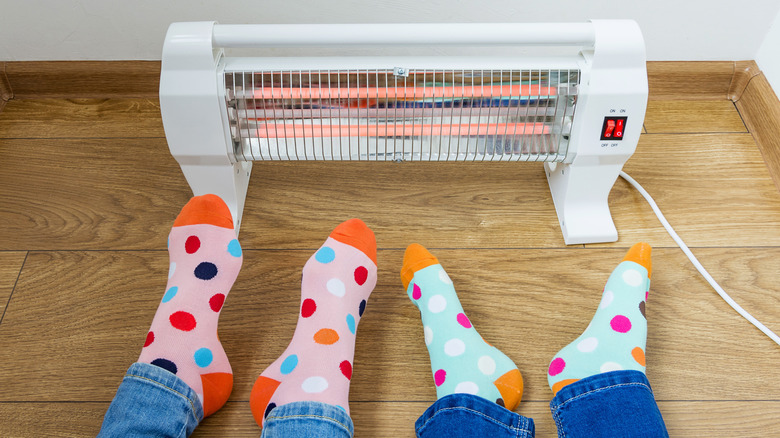
At first blush, it may seem cheaper to heat a smaller area with a space heater rather than warming up an entire house with central heating.
But it turns out space heaters can use a ton of electricity, and according to the U.S. Department of Energy, "electric heat is often more expensive than heat produced in homes or businesses that use combustion appliances." So it's probably more cost-effective to just use your gas furnace or boiler.
Myth: You can save money by lowering or turning off the heat when you're not home
You probably turn the lights off before heading out to cut down on electricity costs, so you'd think that lowering or turning the heat off when you're not there would be a smart money-saving move, too — right? But in reality, that can end up wasting more energy trying to reheat your home when you turn it back up again, especially if you have a condensing boiler.
What's more, turning the heat off completely can lead to frozen or burst pipes if temperatures are especially icy outside — which certainly costs more money in the long run.