

Can You Put Your Handmade Pottery In The Dishwasher? Here's What We Know
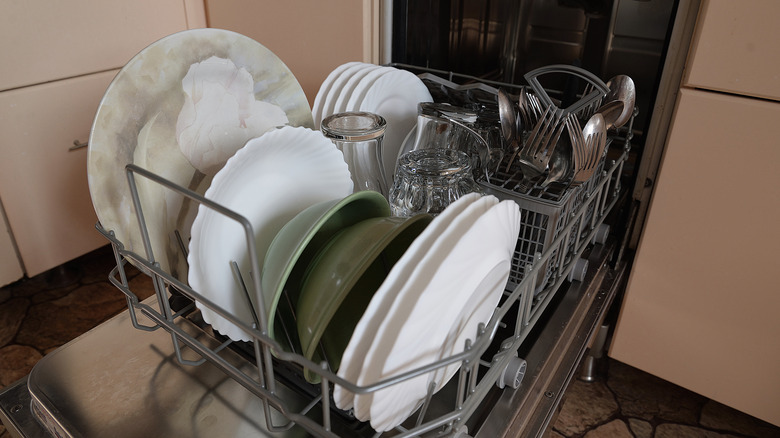
With the popularity of handicraft decor, like handmade pottery, on the rise, you might be wondering how these pieces can fit into the modern convenience we seek from our household items. Can they survive how we use them and, more specifically, clean them, in our everyday life? The short answer is: it depends.
Pottery is likely alright to be cleaned in the dishwasher, however, you want to keep this practice to a minimum. The combination of detergent, hot water, and physical agitation can wear down these pieces more rapidly. Even though the potter may say that the mug is "dishwasher safe," that just means that the piece can tolerate machine dishwashing, not necessarily that its glaze, gloss, or color will remain pristine over time with continual washing. So, if you prefer to use the dishwasher for your handmade pieces, realistically expect patinas.
Handwashing is the safest way to go if you want to ensure your pottery's longevity. It's best to use a mild dish soap and a soft sponge, and avoid using abrasive tools like steel wool. Soaking pottery in water for long periods of time also may cause issues; instead, try briefly soaking any stubborn stains in warm water, and then manually loosen the caked-on residue with a wooden spoon. Lastly, dry the pottery with a soft material to prevent water stains on the surface. With some attentive care, your pottery will last for a long while, but don't be afraid or feel guilty of using your modern cleaning conveniences to get the job done either!
Dishwasher safe pottery tips
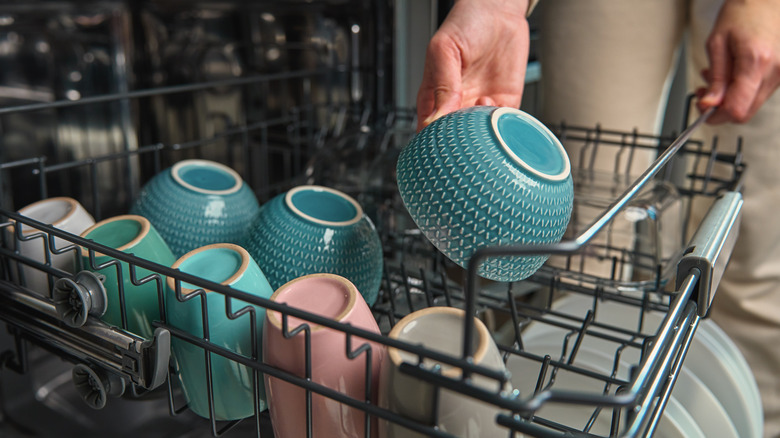
While we would all ideally like to care for our pieces to the gold standard that every material is due, sometimes life can get in the way. But when we need to lean into the modern appliances that help streamline our tasks, it's good to know how best to approach using our machines for our handmade pieces. For pottery dishwashing, there are several tips to keep in mind.
First, consider using gentle dishwasher detergents that won't exacerbate breaking down the glaze or gloss on the pottery. Chemicals can eat away at the pottery's surface, so natural products may help slow that down. Second, try using the low heat or China setting on the machine, if it has one, to prevent extreme swings in temperature. Ceramics and pottery, though fine in high heat, cannot tolerate big temperature changes, and it can cause the piece to go into thermal shock if it goes from being ultra hot to suddenly cold or vice versa. Low temperature settings keeps the environment gradual for your pottery dishware. Lastly, if your dishwasher tends to leave water splatters or pools of water on your dishes, dry your pottery pieces by hand with a soft towel so that those pesky water stains that we mentioned before don't bubble up on the surface. This way, if you decorate your house with pottery displays, they won't look blemished or bruised.
Always handwash with these pottery pieces
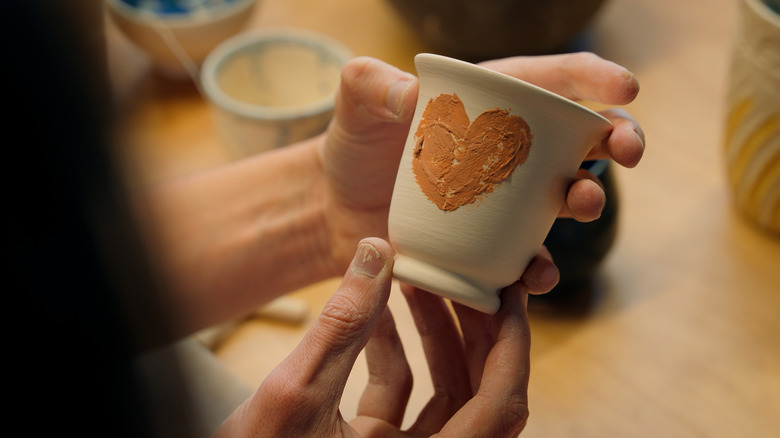
Certain pottery pieces should never go into the dishwasher, no matter how short you are on time. Pottery or ceramics with gold or other metallic accents, for instance, should always be properly handwashed. Gold accents may not be as tolerant of high heat in general, so it's best to avoid the dishwasher to prevent damage. Soaking is also out of the question for gold accented pieces, as it can tarnish when exposed to moisture for long periods of time.
Earthenware is also a handwash-only material due to its porosity, as is terracotta for similar reasons. Any ceramics with delicate details, like hand-painted finishes or more delicate glazes, should also be handwashed since the dishwasher's harshness can cause those surfaces to fade or peel over time. There are some dishwasher darlings though; opt for stoneware for its density and durability or porcelain for its low porosity and strength. With the price of pottery increasing, look after your handmade items with what it needs so that you can use it for generations to come!