

11 Ways To Reduce Wasted Energy While Using Kitchen Appliances
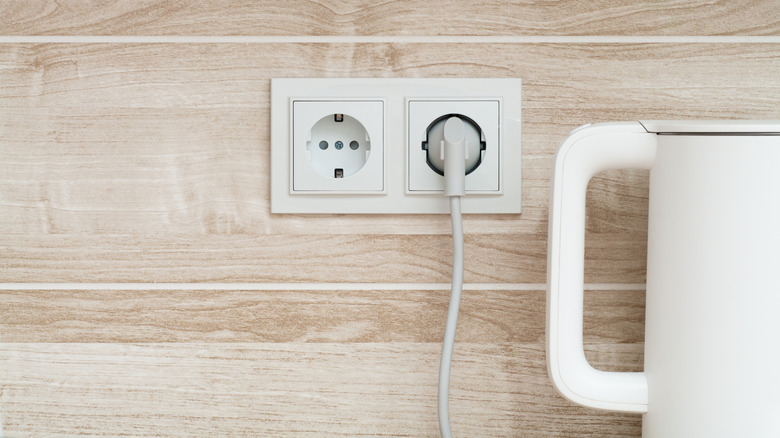
Do you ever feel like your utility bill is personally targeting your bank account? Well, you are not alone. Household power costs are on the rise across the whole country, and honestly, it makes sense. Modern homes and kitchens are full of energy-hungry appliances. From energy-guzzling ovens to power-sapping dishwashers, our kitchens are full of electronics that silently waste energy. Luckily, though, reducing this energy waste doesn't mean you have to start cooking the primitive way. You just need to use your kitchen appliances the right way. For instance, cover your pots when cooking. Or turn off the appliances entirely instead of just putting them on standby. And, this may seem obvious, just buy energy-efficient appliances (a lot of people don't).
If you do all of the above-mentioned things already, there is another problem with modern kitchens: The feature creep. Instead of just sticking to their core operations, modern appliances come with a plethora of other features as well. From coffee makers with built-in smart speakers that announce "your coffee is ready" to refrigerators with massive touchscreens that track your milk supply, those smart features can quietly push your energy bill even higher. And believe it or not, there are now even ovens out there equipped with Wi-Fi cameras. So, unless you are too lazy to keep track of your groceries on your own, you'd better stay away from these AI appliances as well.
Put lids on pots/pans while cooking
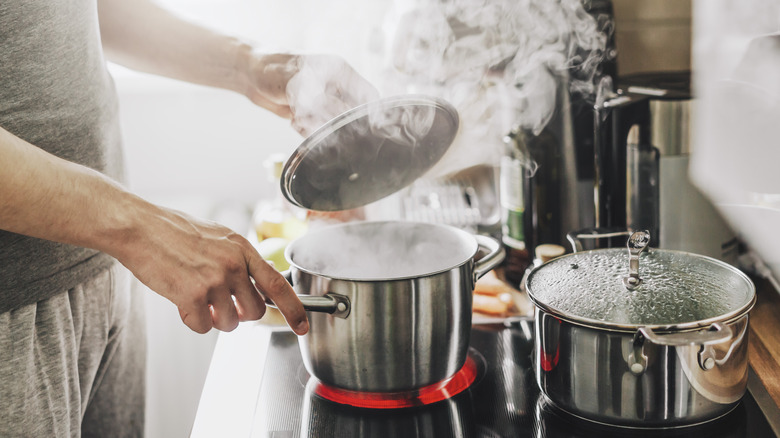
People, when cooking, don't always pay attention to the physics of evaporation. But if they knew about it, they would never cook without putting the lids on. Trapped steam transfers heat more effectively, leading to the food cooking faster. In fact, one report suggests it can reduce energy use by a factor of five. So, make sure to cover your pots when cooking. Also, use a tight-fit lid if you can and avoid frequent peeking. It can take about 20 minutes, or even longer, to regain lost heat and steam once you lift the lid of some cookers.
Use an electric kettle for boiling water
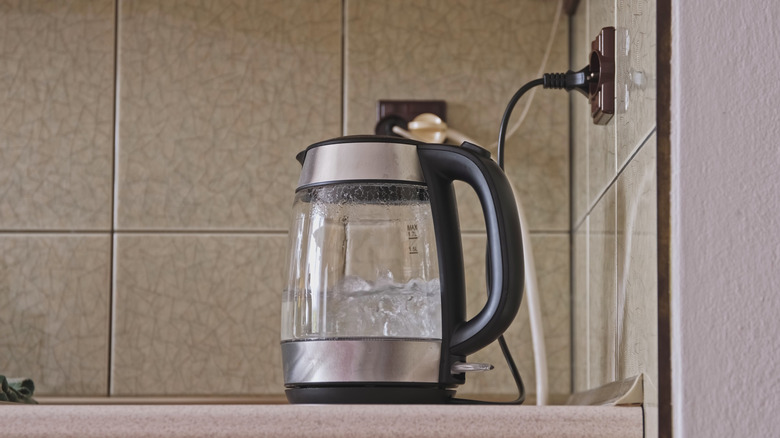
If you boil water on a stove, the burner must first heat the pot before the water even begins to warm. This takes time, and that increases energy usage. However, if you do it in an electric kettle instead, the heat transfer is almost instantaneous. Plus, the direct contact between the heating element and water reduces the energy lost through heat transfer to the air. The result? Your water boils quickly, and less energy gets wasted. In fact, according to Treehugger, boiling water in an electric kettle uses 50% less energy than boiling water on a stove.
Run the dishwasher only when fully loaded
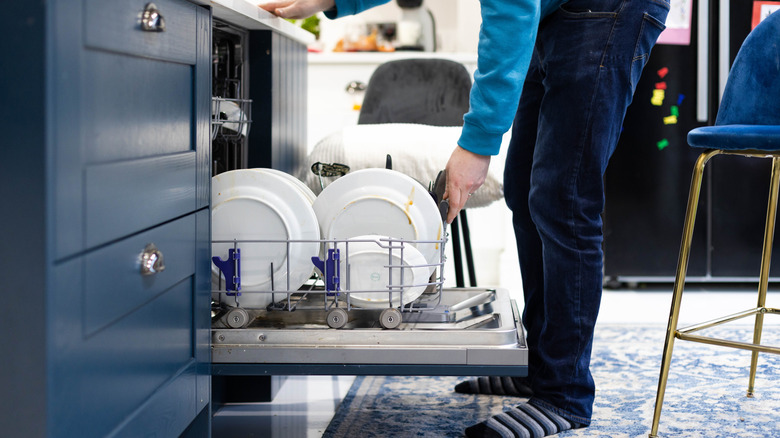
Have you heard of the economic principle that says doing things on a large scale reduces costs? Well, sometimes the same principle applies in the kitchen as well. Take, for instance, your dishwasher. A half-empty load consumes just as much water and electricity as a full one. Plus, it is one of the easiest ways to save on your water bill. So, why not just wait? And if you think a full load doesn't clean the dishes well, you are simply wrong. The culprit is often bad loading techniques. So, work on that.
Minimize opening the refrigerator door
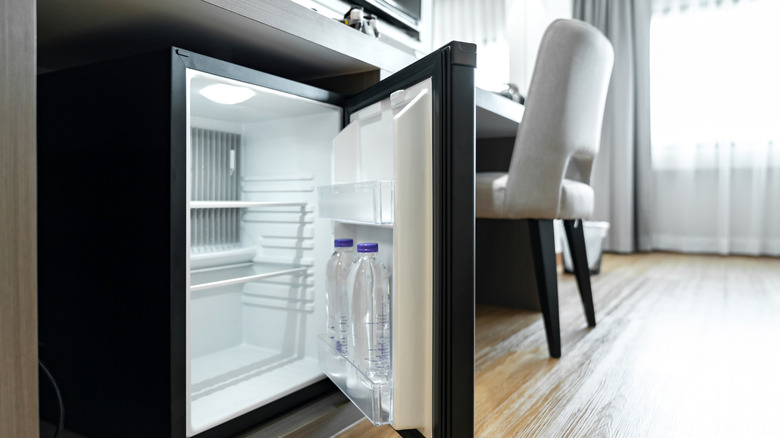
If your refrigerator had feelings, it would probably feel really bad about how often people open its door just to think. Plus, every time you open the door, the cool air spills out. Also, the longer you keep the door open, the hotter it gets inside. This forces the compressor to work overtime, which drives up the energy bills. In fact, every time you open your fridge's door, it adds 9.2 Wh to your energy consumption. Also, avoid heating the refrigerator from the inside by letting food cool before putting it in the fridge.
Ensure gas burners show blue flames
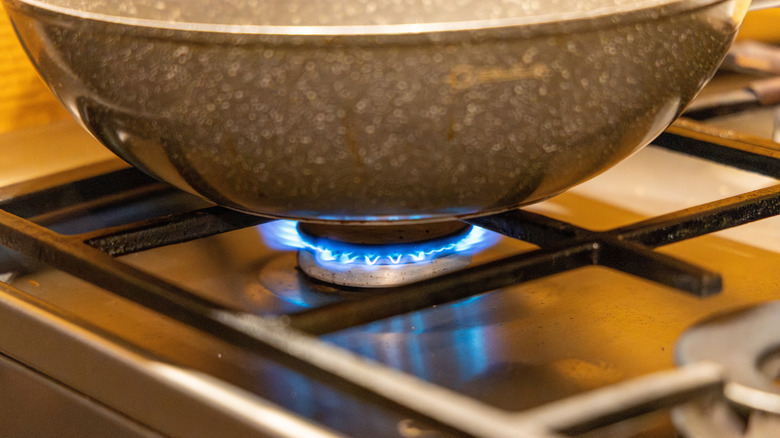
The color of the flame is a real-time indicator of how efficiently your stove is burning the gas. If it is blue, it is all good. However, if your stove is producing a yellow flame, it usually means there is something preventing the fuel from fully burning up. And more often than not, the problem is either poor airflow or a clogged burner. And this obviously is going to increase your energy bills. So, make sure you know how to deep-clean a gas stove top and clean it regularly to keep your bills low.
Use a microwave for heating instead of the oven
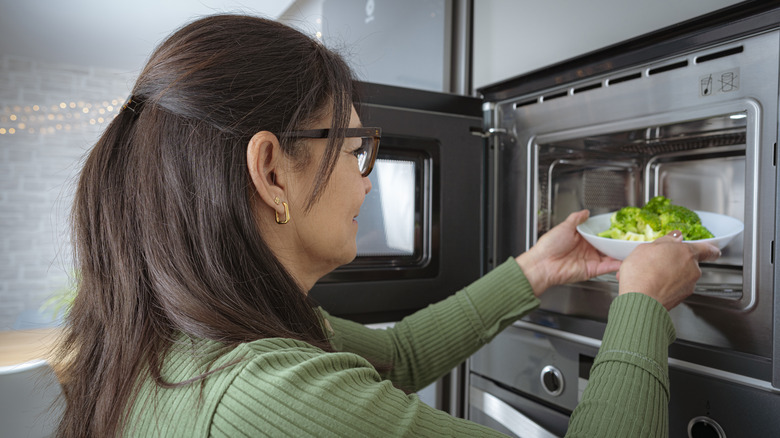
Ovens work by heating the air, which then slowly transfers to the food. A microwave, on the other hand, directly heats the food, not the whole cabin. This means your food will heat up quickly and use less energy. In fact, studies have shown that using microwaves use 75% less energy than conventional ovens. So, if you are just heating food or just preparing a small meal, make sure to use a microwave. However, if you really have to use your oven, try these genius tricks to save money on electricity.
Match the pan size to the electric heating element
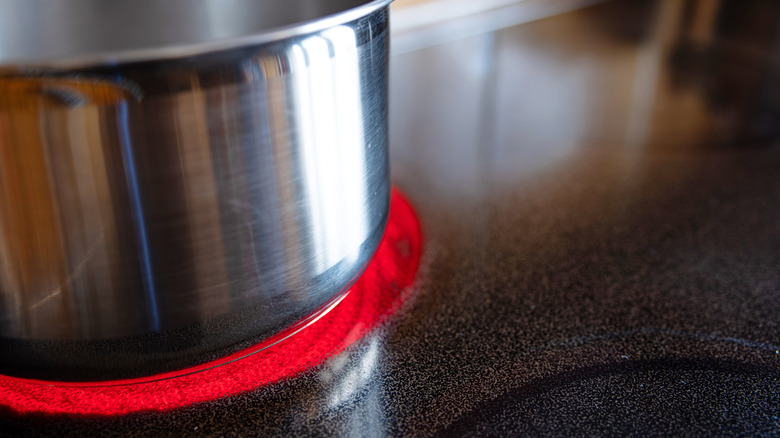
On a stovetop, if the heating element is exposed to open air, heat will simply radiate upwards and get wasted to the surrounding environment. For instance, using a six-inch pan on an eight-inch stovetop can waste as much as 40% energy (per SmarterHouse). So, whenever you are cooking, make sure to use an appropriately sized pan or pot based on the size of the heating element. Also, reduce the size of both your pan or pot as well as the stovetop, if you are just cooking a small meal or reheating food.
Unplug the appliances when not in use
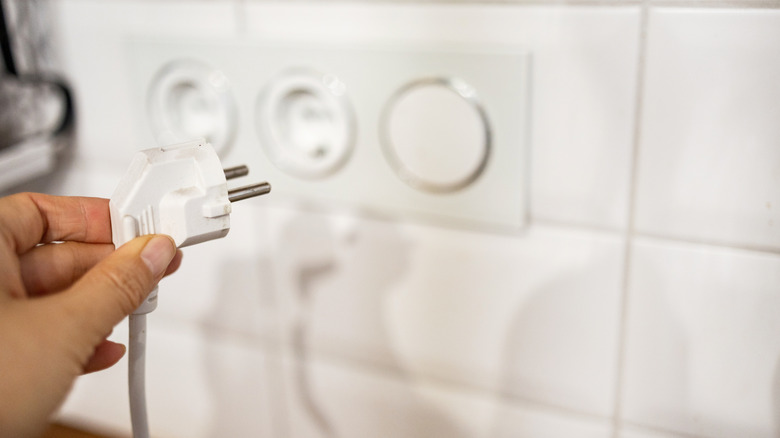
Most modern kitchen appliances are never really off unless you pull their plugs or turn off their main switch. If you just turn them off from their control panel, they just enter a state of "low-power use" and keep drawing power. This power is used to run their internal clocks and communication systems. And this phenomenon is known as "vampire power" or "phantom load." But this is something you shouldn't take lightly. According to the Department of Energy, it can increase electricity use by five to ten percent and can increase your energy bill by as much as $100.
Use coffee makers with thermal carafes
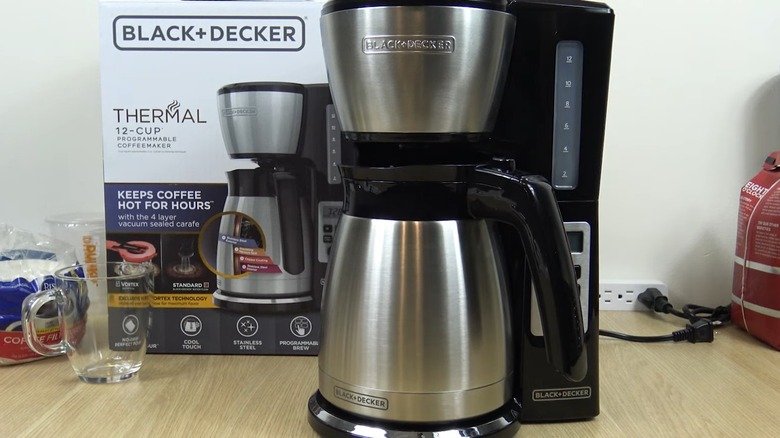
Another way you can save energy wastage in the kitchen is by using a coffee maker with a thermal carafe. Avoid hot-plate coffee makers if you can. They are basically hidden energy hogs. That is because in order to keep your coffee hot, they need to turn on the heating element on and off repeatedly. And if you are not using the coffee, the heat will just get wasted to the environment. Coffee makers with thermal carafes, however, keep the drink hot through insulation. The result? Your coffee stays hot but without wasting energy.
Use timers or smart bulbs in the kitchen
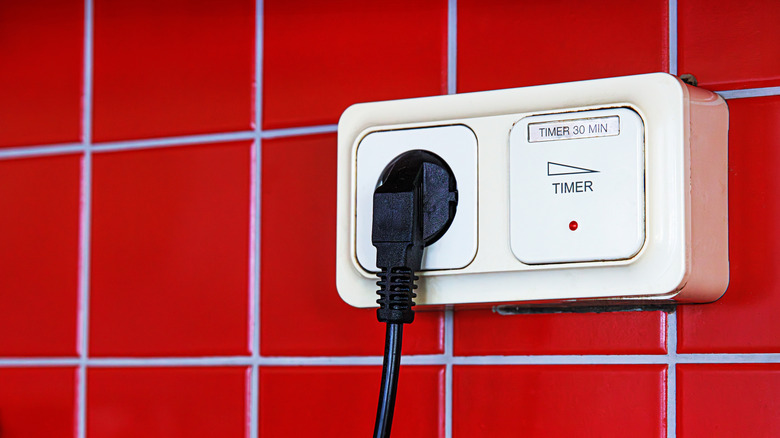
Often, people forget to turn off the kitchen lights. This happens to almost everyone, and it can also increase your energy bill quite significantly. So, what is the fix? Well, use smart bulbs or timer switches. Smart bulbs will turn themselves off automatically when they are not needed, whereas timer switches will kill the lights soon after you leave the kitchen. Also, make sure that the lights you are using are LEDs. They use significantly less power than other light types, and their lifespan does not get affected by frequent on/off cycles.
Choose ENERGY STAR kitchen appliances
Last but not least, invest in energy-efficient kitchen appliances. They might cost a bit more, but they will surely save you money in the long run. For instance, look for the ENERGY STAR label. These appliances are 9-20% more efficient. This, when combined with the other ways to reduce energy wastage in the kitchen, can significantly lower your utility bill. And even if, after doing all of this, your electricity bill is still through the roof, you might want to look at other things in your home office that might be secretly increasing your electric bill.