

12 Retro Qualities That Make Historic Homes Desirable
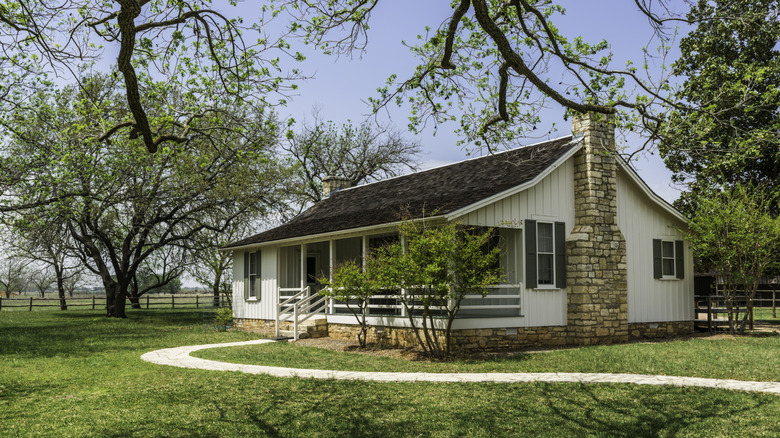
If walls could talk, an old, historic home would probably spend its entire day making fun of a modern home. Where today's homes often chase clean lines, minimal design, and quick finishes, historic homes instead go for character and a proud display of craftsmanship. Plus, they have this unique "made to last" look. Put simply, old, historic homes have an aura that modern homes just can't compete with. However, the appeal of historic homes goes beyond their age. It is, rather, in the details and features. For instance, old-growth wood floors, original fireplace mantels, and vintage doors are just a few of the many retro qualities that make historic homes desirable.
Just remember that, as desirable as historic homes might be, they do come with a few caveats. For instance, old homes will need some sort of renovation to make them truly livable. They probably aren't going to have Wi-Fi in every corner. And we all know how uncomfortable it gets when the Wi-Fi signals drop. Or it could also be something more problematic, like a limited or leaky plumbing system. Also, old homes are expensive to maintain. They need repairs more frequently, and their insurance rates are higher as well. Nevertheless, they offer many attractive qualities.
Unique architectural style
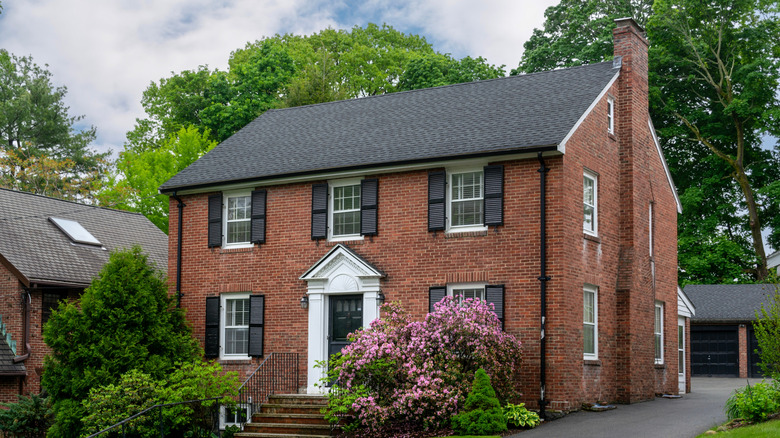
Historic homes often feature architectural details from the eras in which they were built. And that is what the buyers of historic homes are often looking for. They see architectural style as a time capsule. It is like a connection to history, and it brings a sense of distinction. Plus, it gives the place meaning, a unique identity, and a memory. So, no matter what you are looking for — a connection with the past, something with intricate architectural details, or just a place to live — a historic home brings a living experience that no modern home can replicate.
Old-growth wood floors
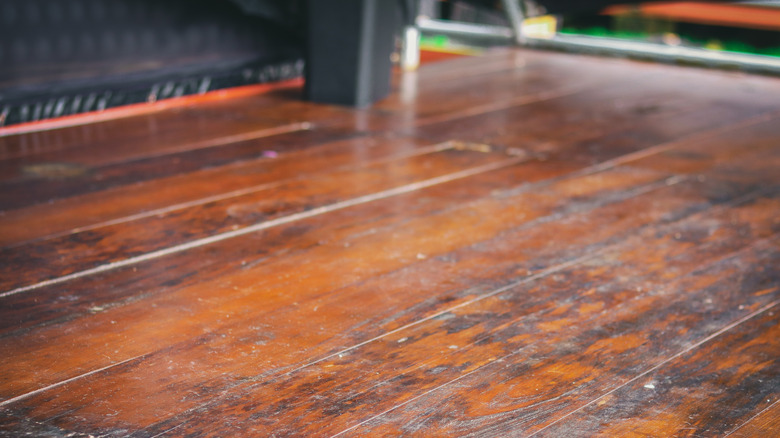
Now this might not seem like much, but old-growth wooden floors are one of the most desirable features in historic homes. Plus, old-growth wood has superior qualities compared to the wood used in modern wood floors today. For instance, it is more dense, which makes it stronger and more durable in the long run. In addition, an old-growth wood floor often develops a color that cannot be replicated by artificial means as it ages. And this natural color and authentic wear of old wood give historic homes a unique warmth and appeal.
Legacy and history
Another thing that increases the appeal of a historic house is its association with a notable event or person. Many buyers only want old houses because of their historical importance. And this appeal is not just sentimental. If a house is linked to a historical figure, its market value skyrockets automatically. And believe it or not, a historical house even increases the value of real estate in the surrounding area. Plus, buying a historic home can bring a sense of fulfilment for many because you are not just buying a house; you are also preserving history.
Vintage fireplace mantels
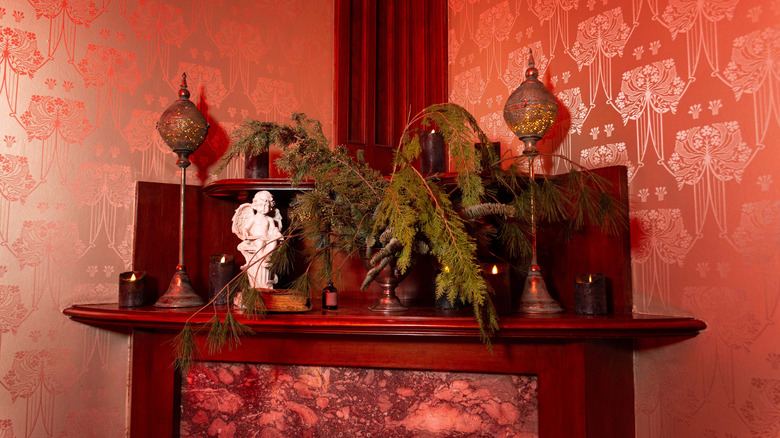
In historic homes, fireplace mantels were more than just shelves. They instead served as a focal point for the whole room and often featured decorative trims and really fine woodwork. Even without a fireplace, the mantle still added texture and a sense of depth to plain, bland walls. Now, your architect might have really amazing fireplace design and decor ideas. However, those ideas can never compete with the aura and appeal of vintage fireplace mantels. They represent a time when the hearth was literally the center of the home, and it is hard to beat that feeling.
Role in the community
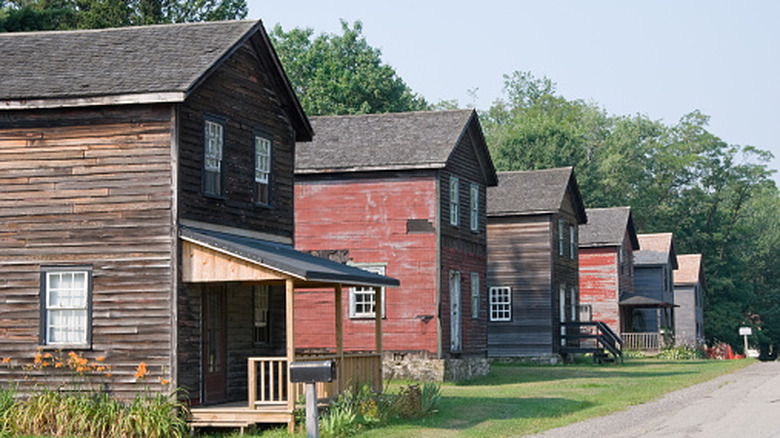
Historic homes can sometimes even tell stories about the community. For example, how did it become what it is today? They let people look back in time and provide them with a connection to their immediate past that they cannot get anywhere else. And once again, this is not just something sentimental. Historic homes act as magnets for investment, too. Tourists are often drawn to places that have historic buildings, preserved and in good condition. This can help local businesses. And this can really add to the appeal of a historic house.
Hand-crafted doors and windows
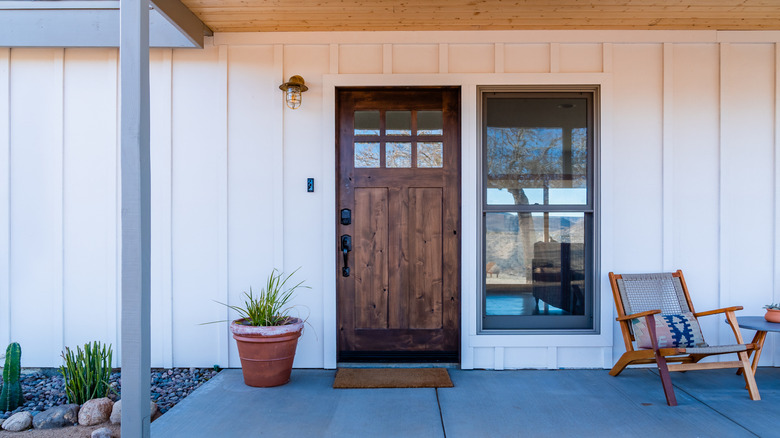
With authentic craftsmanship, substantial feel, and superior durability, the qualities of doors and windows in historic homes just go on and on. For historic homes, doors and windows were more than just entryways to let people, air, and light into the house. Instead, they were one of the character-defining features of the house. They often had elaborate hand-carved elements. These intricate details bring a sense of timeless beauty, and they also command higher prices in the real estate market. Plus, since these windows and doors were almost always made of natural wood, they were environmentally-friendly.
Pristine location
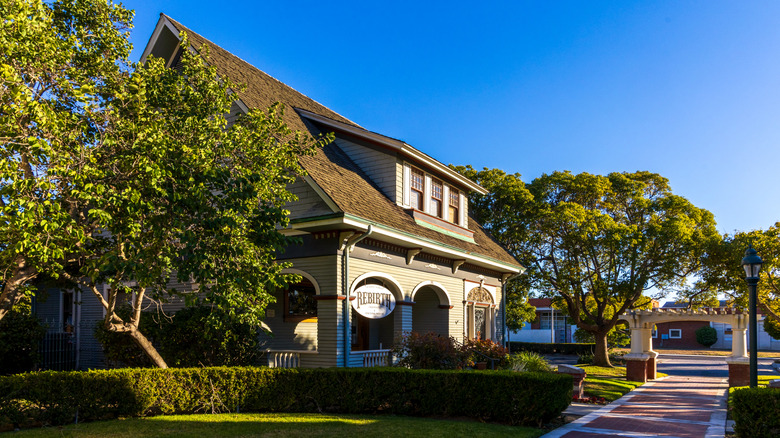
When it comes to the factors to consider when purchasing a home, location is often one of the first things that buyers think about. Historic homes are often built in established locations that have stood the test of time. Furthermore, they were built with access to local amenities in mind. When you buy a historic home, chances are, you are also getting easy access to all the city's main locations. Plus, homes in historic districts often do better when the market is moving around. All of this together can really make a historic home desirable to potential buyers.
Established plants and trees
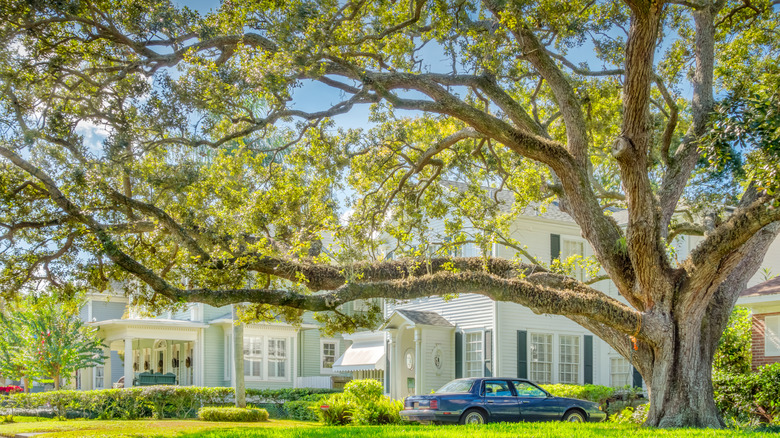
Established plants and trees are one of the "non-manufacturable" qualities of a home, not only increasing the curb appeal but also increasing its market value. If you have ever seen a historic home, it probably had a lot of impressive trees. However, trees and plants don't just bring financial and aesthetic value. They have practical benefits as well. For instance, they offer critical natural insulation. This can be very significant for people living in hot climates, as it can reduce cooling costs by as much as 25%.
Quality natural stone materials
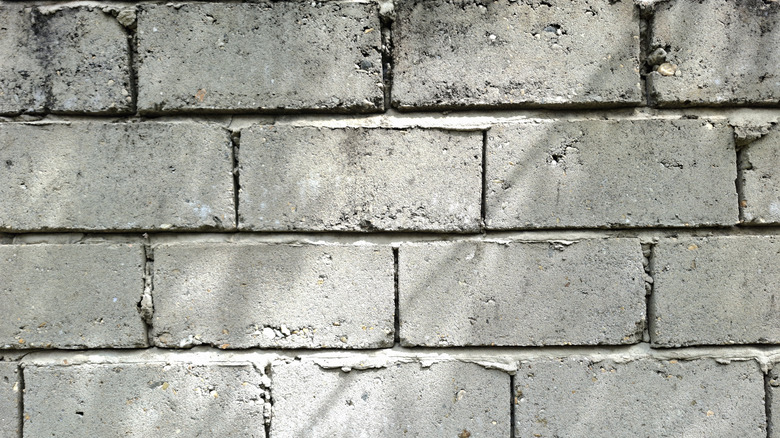
The use of quality and eco-friendly materials also make old, historic homes desirable. Instead of relying on modern synthetic and somewhat flimsy materials like plastic and plywood, historic homes are often built using locally sourced natural stone, brick, and lime. Plus, the stone and brick walls offer better fire-resistance and provide an improved thermal mass for energy efficiency. Buyers today often seek such practical benefits. Additionally, since stone and brick are extremely durable, they can last for decades without needing repairs. And who doesn't want that?
Architectural scales and ratios
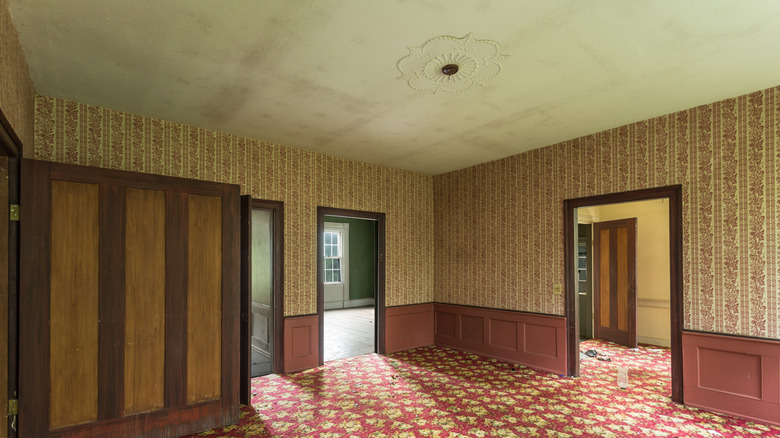
Unlike modern homes, which prioritize square footage over anything else, historic homes are often built on a foundation of proportions. Scales and ratios are deeply rooted in their architecture, and they create a visual harmony. Nothing in them feels accidental. Every window, every molding feels like it belongs where it is. When things feel right inside a home, it brings psychological comfort. Many buyers cherish this sense of cohesiveness in the design of a home. For some, it also serves as an escape from otherwise modern cookie-cutter homes and buildings.
Eclectic mismatched elements
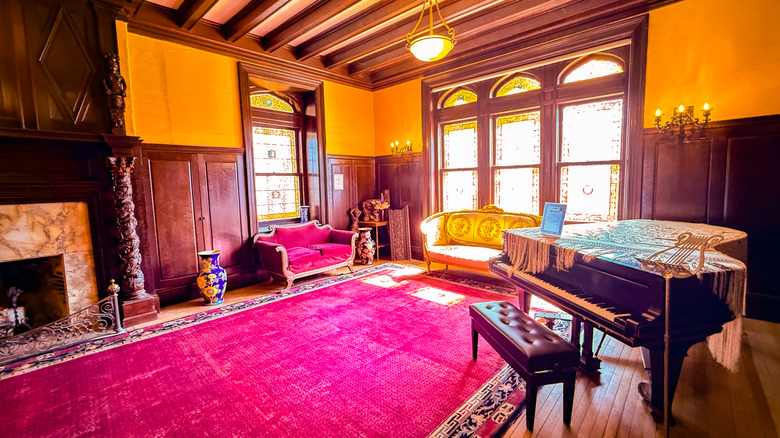
Another quality that makes historic homes unique is mismatched elements. Now, this may sound "unkept," but if you look closely, it brings a touch of life to the house. A mixed, layered approach, like the use of different fabrics, colors, and slightly worn pieces, feels much more natural and soothing. Plus, these mismatches and imperfections in home design bring a human touch. And many people find it deeply welcoming. Furthermore, such a design can also be a big relief from the monotony of modern homes, where everything has to match.
Scarcity and authenticity
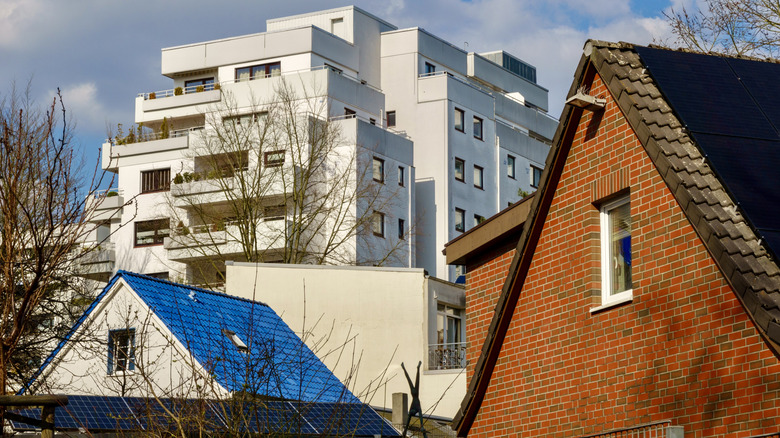
Many folks want to turn a generic house into a one-of-a-kind home. Well, with historic homes, you don't have to. They have their own personality, their own character, and they are truly one-of-a-kind. Furthermore, the intricate, tinted old glass windows, delicate woodwork, and handcrafted doors and windows bring a touch of authenticity to historic homes. And buyers crave it. There is also the scarcity: How many people do you know who own a historic home? For some people, this feeling of having something scarce alone is more than enough to buy a historic home.