

Is Your Landlord Responsible For Repairing Frozen Pipes? Here's What We Know
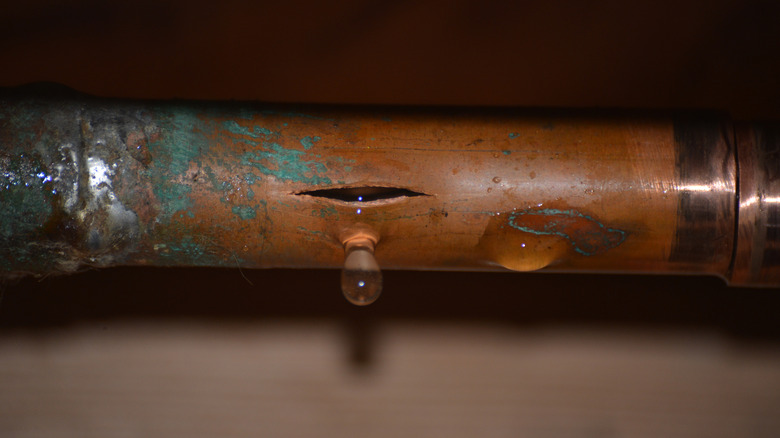
No matter where you are in the country, extreme weather can impact your life in unexpected ways. Cold weather creates challenges for homeowners and renters, and when temperatures drop low enough, one of the worst problems people face is frozen pipes. While frozen pipes are annoying, things get a lot worse if they crack and burst. When this happens, every homeowner and DIYer knows to shut the water off and grab some tools, but if you're a renter, dealing with this situation can leave you with more questions than answers. To get a clearer idea of who is responsible for repairing the damage caused by frozen pipes, we found the answer is a bit complicated.
To start, it's important to acknowledge the responsibilities of both parties in a landlord-tenant relationship. In the United States, landlord and tenant laws are usually governed by state or local municipalities, and in the majority of jurisdictions, there is an implied warranty of habitability that says landlords have to maintain "safe and fit" conditions for renters. This is usually written into a lease, and in extreme circumstances, renters may even be able to withhold rent if landlords fail to do so. Habitability is a legal requirement that includes operational plumbing, making landlords generally responsible for making repairs when pipes freeze and burst. However, there's nuance, which requires reviewing the lease agreement and whether the tenant took sufficient precautions to prevent the pipes from freezing.
Learn how responsibility is determined when pipes freeze in a rental
In some rental leases, renters agree to maintain certain features of the property, such as mowing the lawn, cleaning the gutters, or, as in this case, taking reasonable steps to prevent the pipes from freezing. When a problem occurs in these situations, a renter could be responsible for repairs if they were negligent. A comprehensive lease outlines the responsibilities of a tenant, from maintaining heat in the rental to leaving cabinet doors open when the temperatures drop.
Maintenance and repair clauses are common in rental contracts, outlining the responsibilities of both parties in the lease. Usually, large repairs, including plumbing repairs after pipes freeze, are the landlord's responsibility, while routine maintenance tasks, such as changing lightbulbs and air filters, are the tenant's responsibility. Landlords have the ultimate responsibility to provide habitable living conditions, and when it comes to winter weather and home maintenance, that can include everything from ensuring heating systems are maintained to keep your home warmer to insulating pipes to prevent freezing.
While there may be many extenuating factors, it's better to review the details before there's a problem. However, even if a lease's wording is vague, it can't override habitability laws, and it may not be the final answer in a situation like this. Hopefully, you've also covered other important details in your lease, such as the reporting procedures for when something does go wrong.
Discover when frozen pipes could be your responsibility as a renter
Since frozen and burst water pipes are often preventable, and it's a tenant's responsibility to use the heating system to keep the house warm, it's not just the landlord who bears responsibility here. Some leases require tenants to keep the thermostat set above a certain temperature. With careful planning, you'll be better positioned to get through cold snaps without frozen pipes. When you know cold weather is coming, talk to your landlord and find out where shut-off valves are and which pipes are prone to freezing. After all, regardless of who is responsible, the renter has to live with the frozen pipes.
Frozen and burst water pipes can cause significant damage to structures and personal property, and if it does happen to you, this is a situation that demands prompt action. The longer water pipes stay frozen and the colder it gets, the less room the ice has to expand and the more likely they are to crack and burst. Since even a small crack can leak hundreds of gallons of water a day, it's imperative to stay on top of this issue during cold winter weather, especially when temperatures drop below 20 degrees Fahrenheit. By reporting frozen pipes to your landlord, they can help you address the problem and avoid common frozen pipe mistakes, such as using an open flame or forgetting to open the faucet.