

How Icicles And Ice Dams Cause Mold And How To Prevent It
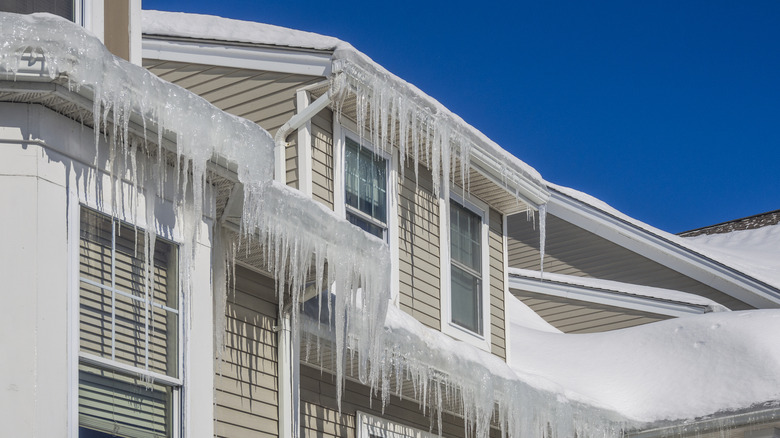
If you've noticed large pieces of ice or icicles forming around the roof, eaves, and gutters of your home's exterior, you may be dealing with something called an ice dam. They may be pretty, but icicles can be a sign of a bigger problem. Ice dams are caused by ice blockades that end up preventing snow and sleet from draining down your roof, gutters, drain pipes, and away from your home. Not only can these ice formations harm your gutters, but they can seep into the wood underneath your roof structure, eventually causing mold or wood rot. If you're unsure if your home has ice dams or not, one of the common signs is large icicles. It's not recommended to try and remove icicles from your home on your own, as it can be unsafe. It's best to call a professional for full removal. However, there are a few tactics you can try to prevent dams and icicles from melting and causing mold, such as ventilating and insulating your attic.
Ideally, your roof is fully insulated, maintaining the same temperature across its surface area. However, if your roof has varying temperatures or poor insulation, it can cause snow to melt unevenly in some areas more than others, draining to your cold, uninsulated eaves and then refreezing, creating the dams. Ice dams are not only harmful to your roof, causing mold growth, leaks, shingle and gutter damage, and deteriorating siding, but they can be dangerous for you as well. Large icicles and pieces of dams can break and fall onto the ground, causing injuries or breaking items around your home. Overall, it's best to try and take preventative measures to ensure these do not form on your home, such as clearing gutters and even trying products to heat them.
How to prevent icicles and ice dams from causing mold
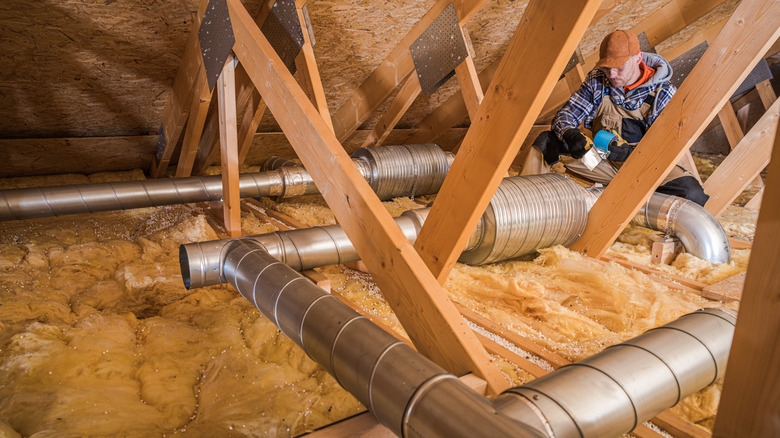
One of the biggest issues caused by ice dams and icicles is the growth of mold. Moisture, caused by the excessive buildup of ice that gets clogged in your gutters and eaves, can make its way underneath your roof's shingles, targeting the wood underneath. This can lead to more mold growth throughout your home, bringing spores inside, and potentially leading to visible patches. It could even start affecting allergies or causing other health issues. Thus, it's important to ensure your roof is fully insulated to prevent the buildup of ice dams and icicles.
First, if you have an attic, check your attic's insulation, as well as any potential cracks in your windows, hatches, chimney, fans, etc., ensuring that warm air isn't escaping to the roof. Poor ventilation can also cause condensation, which can lead to mold. You should also stay vigilant about clearing your gutters of dirt, leaves, twigs, and other materials, which will help keep the melting snow running smoothly down to your drain pipes. Some homeowners opt for gutter heating products, which help ensure the water continues flowing. Another preventative tactic is to continually clear your gutters of snow and ice after every winter weather event. This will help reduce the risk of buildup, which can quickly turn into ice dams and icicles.