

11 Home Upgrades That Will Appeal To Buyers In 2026
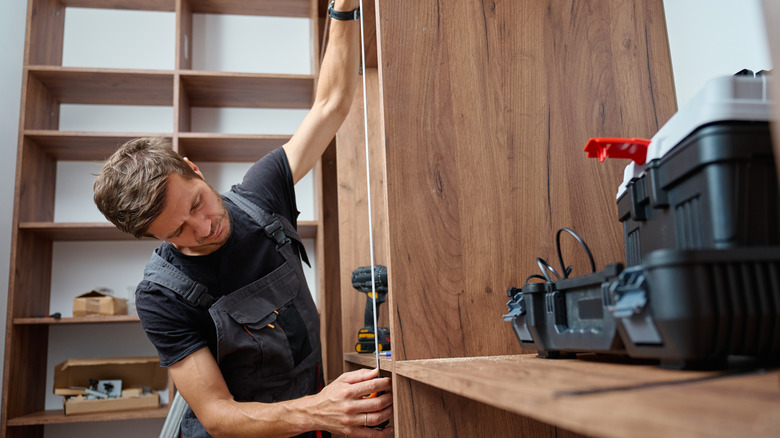
It's exciting to give your house a refresh every now and then, and if you know you will be putting it up on the market this year, you can be strategic with your upgrades so they resonate with buyers. One of the smartest ways to do that is by focusing on enhancements that feel particularly on-brand for 2026. And this year, buyers aren't just looking for particular paint colors or square footage.
Upgrades can be as simple (and cosmetic) as choosing the newest trending kitchen cabinet color so your house looks up-to-date rather than on the tail end of a stale trend. But it can also involve converting some of your spaces so they better fit how people are using their homes in 2026. For example, as more and more people are beginning to feel digital burnout, they're looking for homes with analog rooms or reading nooks that allow them to unplug. Below are some of the best upgrades that will help your listing stand out in 2026.
Mid-toned, cashew cabinets
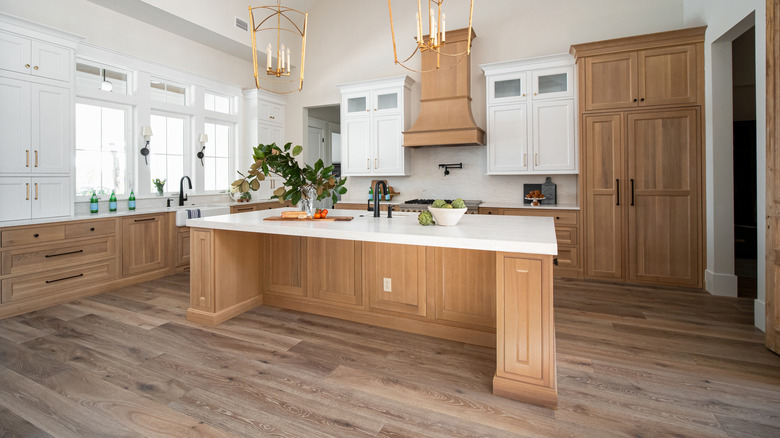
A freshly remodeled kitchen can be a huge draw for buyers, and it's one of the things they're happy to pay a premium for. It saves them months of living off of hot plates, noisy construction, and decision fatigue. Not to mention, a beautifully designed kitchen sets the tone for the rest of the house and can change how buyers view it. "Having an attractive kitchen is no longer an added advantage; it is the lens through which the entire house is viewed," Alexei Morgado, real estate agent and founder of Lexawise, told The Spruce. But when it comes to updating the cabinets, you might want to steer clear of choosing white oak, which has been all the rage for the last five years. While popular, the color is now being timestamped as an early 2020s staple, sort of like sage green walls and black hardware. Instead, people are moving on towards something a little darker and warmer. Enter cashew wood cabinets. These are mid-tone cabinets that add a little more color and depth, and they create the type of kitchen that homebuyers are willing to spend more on in 2026.
This slight color tweak is in line with design's march away from cool, airy spaces and towards warmer, richer interiors. Over the last five years, both paint and stain colors alike have been slowly getting darker, focusing on creating a homey, lived-in aesthetic that feels more intimate rather than Instagram-perfect. Think dark linen, mushroom, and putty hues. Since white oak is cool-toned, it no longer fits this warm, rich color palette, or the trend towards darker woods.
Hybrid work-from-home spaces

Even with return-to-office mandates, many people are still working from home at least part of the week. Because of this, working from the kitchen island or sectional sofa no longer cuts it, and people are looking for houses with office space that offers privacy and quiet. However, there is a caveat – they don't want that room to stay an office all week long. Instead, they're looking for flexible spaces that can easily serve another purpose when the workday ends. "Home office spaces remain in demand, particularly with features that support privacy and productivity," Nicole Plaxen, a real estate agent with Walters/Plaxen Estates, told Apartment Therapy. "We're seeing a nuanced shift in home layouts that blend open spaces with intentional, multifunctional rooms."
So what does that look like? If you have a flex room or spare bedroom, upgrading it into a bona fide office would be a huge draw for homebuyers, especially young professionals. The key is to design it with versatility in mind. For example, commissioning a Murphy bed for one of the walls will transform the space into a guest bedroom when friends or family visit, which is a space that traditionally sits unutilized for months at a time. Combining the two rooms together gives you a lot of bang for your buck. Another idea is to create bookshelf built-ins, turning the room into a library or quiet retreat when the desk isn't in use.
Seamless flooring between outdoor areas and living rooms
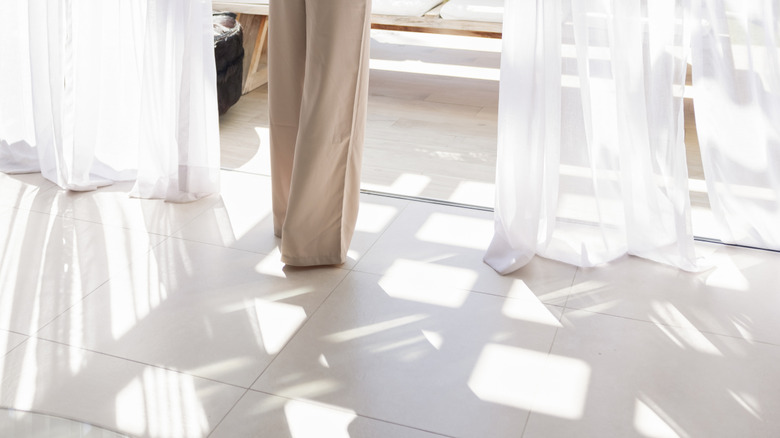
The pandemic and shelter-in-place mandates really made people take a second look at their homes. Unable to unwind at cafés, restaurants, and bars, people created these social retreats in their backyards, converting humble patios and decks into third spaces with the help of outdoor kitchens, large dining tables, firepits, and patio furniture sleek enough to match their indoor living rooms. Indoor-outdoor living became a huge trend, and it continues to grow today. The latest iteration is to tie your two spaces together with matching flooring, further blending the two and making your patio feel like a second living or dining room. It's the untraditional living room trend of 2026 that embraces the outdoors.
"Clients are looking for their outdoor spaces to be designed similarly to their indoors, so there's a seamless transition between the two," New York–based interior designer Tina Ramchandani told Architectural Digest. "This involves carrying the same flooring or same color/finish of flooring, similar furniture and fabric styles, and the same color palette over to the exterior area." However, this update doesn't mean you have to tear out your LVP in exchange for a weatherproof option that would also work on your deck. Instead, choose flooring that matches the color and look of your indoor space. One option is to select wood-look tile, which comes in a wide range of wood grains, plank sizes, finishes, and colors. This will allow you to closely match what you already have indoors.
Cold plunge tubs

Another trend that arose from the pandemic is adding wellness features to your home. There was a new focus on health and wellbeing, and so people kitted their homes with things like upscale home gyms, saunas, and cold plunges. Zillow's 2024 Trend Report showed a 130% increase in listings mentioning a cold plunge, indicating real interest in them shortly after the pandemic — and wellness features are still popular according to the latest Zillow 2026 Trend Report.
For devoted biohackers with money to burn, a cold plunge facility could be a real perk in a property. If yours is an ultra-luxury listing, you could consider an in-ground cold plunge installation, whether it's capped at the end of your regular pool or sitting off to the side of your patio or deck. Just be prepared to shell out a considerable sum — a small in-ground concrete option can cost over $25,000. If you don't have a million-dollar listing but still want the wellness feature, there are plenty of design-conscious retail pools you can buy. For instance, LIT's Stealth Luxe Plunge Pool has a sleek, black design that would blend in with any contemporary backyard. And finally, for average homes where you're unlikely to recoup thousands in value with a wellness feature, even more affordable options include things like inflatable tubs and wooden barrels.
Climate-resilient features
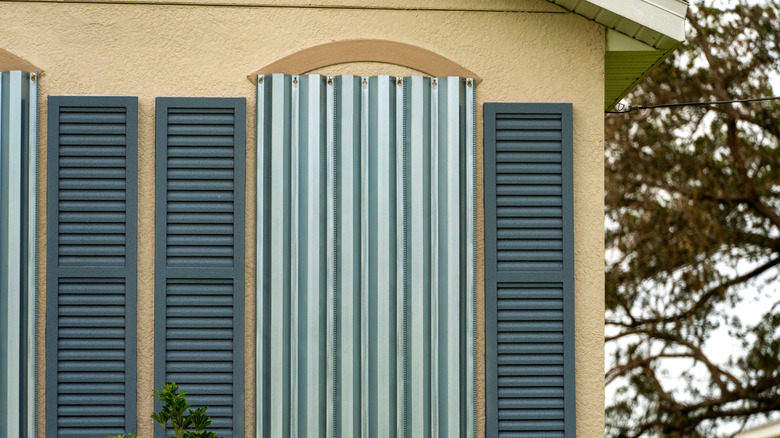
It seems that no matter where you live in the U.S., there is some kind of major weather event every year. The East gets severe snowstorms, the South gets hurricanes, the West experiences wildfires and earthquakes, and the Midwest gets its fair share of tornadoes. Not to mention the draughts and flood-producing rainstorms experienced everywhere in between. Giant weather events are becoming the norm, so buyers are increasingly seeking houses with climate-resilient features. "Energy-efficient and climate-resilient home features are quickly gaining popularity as homeowners look to keep costs down, including insurance costs," Amanda Pendleton, a Zillow home trends expert, shared in a press release. According to the 2024 Zillow Consumer Housing Trends Report, 86% of buyers said it's "very important" for their potential home to have at least one climate-resilient feature, and climate resilience remains a top priority for buyers going into 2026.
Water-tight windows, doors, and roofs are the most crucial to buyers, ranking "very important" for 72% of respondents in the Zillow study. Wind-resistant doors and windows came in second place at 61%, and fireproof home materials followed closely behind at 59%. A further 57% of people polled said it was "very important" that the house was "climate-proof" in general. So focus on adding safety features depending on the extreme weather you receive in your area. For example, a Midwest house could do with a natural gas generator or heated driveway to combat snowstorms, while a Southern property would benefit from hurricane-resistant siding or storm-proof shutters to stay intact during hurricane season.
Sustainable gardens and landscaping
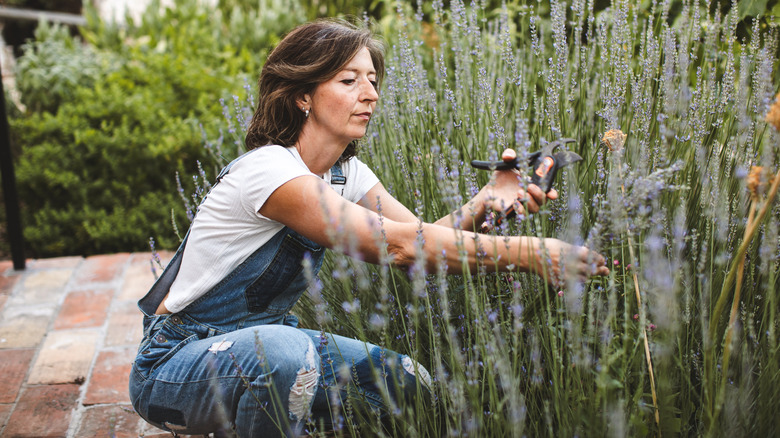
A smart landscaping upgrade that can make your listing more attractive to buyers is swapping finicky ornamentals for sustainable, low-maintenance garden plants. This type of landscaping primarily focuses on native plants with low water needs. It is not only great for pollinators and local fauna, but it also leans into the climate-proofing trend, since many of these plants are drought-resistant. For those who want to go hard into the upgrade, you can even replace patches of your turf lawn with drought-resistant grass alternatives such as groundcovers or native plant clusters, ensuring future buyers don't have to deal with dry, brown patches of turf. A garden filled with low-maintenance species can be a particular draw for busy individuals who don't have much free time to tinker with finicky, high-needs plants.
To upgrade your landscaping to a sustainable, native garden, first check your local university extension services to see which plants are native to your area. Endemic species have evolved to thrive in your local ecosystem, meaning they will need little intervention in the way of excess watering, pest control, or fertilizer. It's also a great idea to focus on planting shrubs, perennials, and trees, as these won't need to be replanted each year — a big perk for buyers who don't plan to do a lot of gardening.
Turn dead space into reading nooks
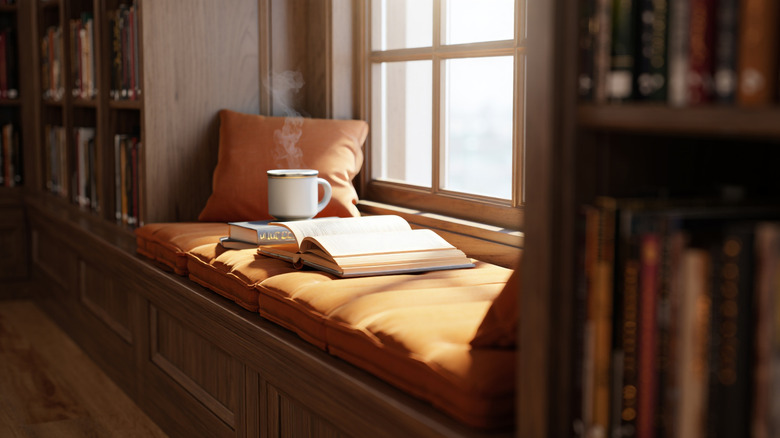
Unless your house was designed by an intentional architect, almost every house has some amount of dead space. Whether that's the nook underneath your stairs, a corner under the eaves or a sloped ceiling, the section in front of a bay window, or the weird excess space on your stair landing, there are probably all sorts of underutilized pockets. And if you're itching to transform them into something valuable, consider upgrading one of these areas into a reading nook. According to Zillow's 2026 Home Trends Report, there's been a 48% increase in Zillow listings featuring reading nooks, showing a demand for a space where buyers can unplug from the digital world and relax.
However, to truly transform something into a reading nook rather than just stage it for reading, you need to involve built-ins. A built-in bench with thick cushions and pillows in front of a window, for example, creates a cozy nook to curl up in. Taking it one step further and flanking the window with integrated shelving surrounds the nook with a library. Creating angled built-in shelves under a staircase creates a seamless design, as does creating a built-in daybed under the eaves where you can curl up with a good read and some blankets. If you're handy with power tools, you can pull off many of these projects with IKEA hacks, such as DIYing built-in bookshelves with BILLY bookcases or upcycling basic IKEA cabinets into a chic bench. But if you're not, you can also reach out to a local millworker or carpenter to custom-build these plans.
Add architectural features that involve craftsmanship

People have long experimented with adding architectural features to their builder-grade houses. In the 2010s, people DIYed shiplap walls to mimic the boards found beneath plaster in 19th-century homes. Then, in the early 2020s, they experimented with DIY board and batten walls, peel-and-stick box trim, and polystyrene "wood" beams. But as antique-inspired interiors and heritage home decor continue to trend into 2026, many are leaning towards more authentic architectural features that feel permanent and take skill to create. (So goodbye, peel-and-stick box trim and wallpaper.)
People are also becoming fatigued by living in an increasingly digital age, one that is made convenient by having anything just a click away, including design. There is something lost in that convenience, which is why buyers are increasingly seeking homes with real craftsmanship. It makes it feel more human. "People are drawn to homes that feel lived in and loved," Peter Michael, founder of Piere Michel Brokerage, told House Beautiful. "Original craftsmanship is what this new wave of buyers is really looking for. It starts with the arches in the hallways to the exposed brick fireplaces — the list can go on and on." He adds that these types of features are what make a house feel "rooted, not manufactured." So if you have always wanted mahogany paneled walls, stained glass windows, intricately carved bannisters, or yearn to hop on the hand-painted kitchen tile trend, now is the time to invest in these kinds of thoughtful features, because, chances are, a buyer down the line may also appreciate the value and craftsmanship.
Closing some of your open floor plan
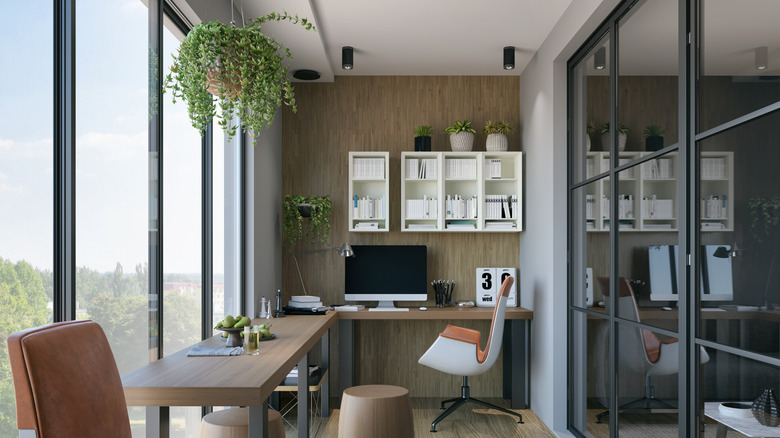
Open floor plans have been all the rage for the last couple of decades, opening up small, seemingly cramped rooms into interconnected spaces. Knocking down walls helped create an openness that wasn't just about the floorplan — it also made it easier to cook, entertain, and spend time together without being cut off in separate rooms. But these large, airy spaces lack division and sound containment, and can be hard to decorate, which is why more and more people are seeking a hybrid approach. One with open-concept rooms, just with a few more walls to create delineated spaces and privacy.
This shift began during the pandemic, when kitchens and dining rooms became makeshift schools and offices. While sheltering-in-place is now firmly in our past, many people still work from home, and having walled-off spaces with doors that close can be key. As a result, more buyers are looking for common areas like kitchens and living rooms to be connected, but then have adjacent, walled-off rooms to retreat to. So if you have been considering walling off part of your open floor plan, now is a great time to do it. Want to keep an open feel but instill some division? Crafting a wall with interior windows between a living room and a small office can retain an airy vibe while creating two defined spaces.
Yoga spaces
As mentioned earlier, wellness-related amenities continue to be popular with certain segments of buyers. Zillow's Home Trends Report for 2026 reveals that mentions of wellness features have jumped 33%. Yoga areas are a relatively simple wellness feature that could attract certain buyers in luxury markets. If your state enjoys lots of good weather, adding a yoga spot into an outdoor area could be a relatively simple way to incorporate a luxe-leaning feature. "The most successful designs integrate these features into the landscape itself," Nick Fobes, landscape architect, told Veranda. "When surrounded by nature, the experience becomes as mentally restorative as it is physical."
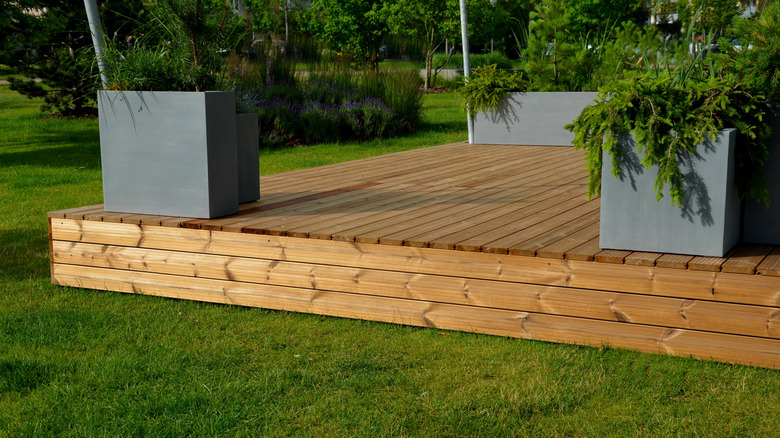
This can be as basic as creating a small concrete patio or wood deck off to the side of your yard, surrounded by fragrant blooms or calming herbs like lavender. This adds an aromatherapy dimension, and if you choose perennial plants, they will become a permanent fixture in the yoga nook. If you would like the area to feel like an oasis cut off from the rest of your yard, you can plant taller grasses and shrubs to partially block off its view from the yard, such as 'Northwind' switchgrass.
Analog rooms
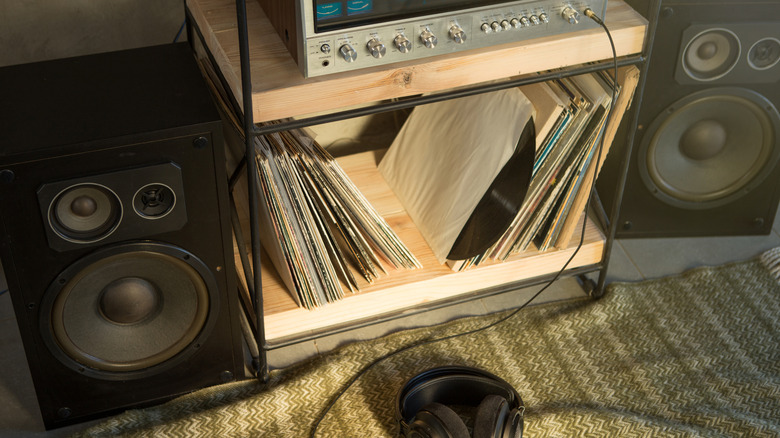
It seems like 2026 is the year everyone has digital burnout and fatigue. There is a rush towards more analog living, and it's evident in the trends that are already gaining steam in January. "People are craving less digital interference and more genuine, in-person connection," Victoria Robinson, style and trend expert at Hillarys, told House Beautiful. "We're seeing vinyl records everywhere, Kodak film being rediscovered, and even 'silent' events where phones aren't welcome." This is extending into the home, which is why "analog rooms" are becoming the newest trending feature.
These are tech-free rooms that encourage you to unwind the old-fashioned way — with a hobby, analog entertainment, and the people you love. However, it's not enough to just have a random room and cheekily label it "analog" in your listing. Instead, upgrade it into a bona fide listening room, library, rec room, or family den with the help of built-ins. For example, you can create a library by taking IKEA BILLY bookcases and framing them across an entire wall so they look built-in. You can fashion a rec room by creating plenty of built-in cabinets perfect for storing board games, toys, blankets, and crafting supplies. If you fancy a listening room, create built-ins perfectly-sized for holding record collections. It's also beneficial to deck out these rooms in natural materials to signal a return to the tangible. "Use wood, stone, linen, and wool to create a connection with the natural world. These materials are not only timeless but also help to create a soothing, grounded atmosphere in your home," interior designer Tineke Triggs told Homes & Gardens.